bg Skip to content
The Progress Play Book Logo
  • Climate & energy
  • Transport
  • Cities
  • Social development
  • Events
  • About
  • Climate & energy
  • Transport
  • Cities
  • Social development
  • Events
  • About
Subscribe (FREE)
The Progress Play Book Logo
  • Climate & energy
  • Transport
  • Cities
  • Social development
  • Events
  • About
  • Climate & energy
  • Transport
  • Cities
  • Social development
  • Events
  • About
Subscribe (FREE)
  • About
  • Climate & energy
  • Social development
  • Transport
  • Cities
  • Events
  • Climate & Energy: Global Solutions and Success Stories
  • Sustainable Transport: Global Solutions & Success Stories
  • Sustainable Cities: Global Solutions & Success Stories
  • Social Development: Global Solutions & Success Stories
  • Denmark: Climate Leadership & Sustainability Success Stories
  • China: Clean Energy Transition & Sustainability at Scale
  • Netherlands: Circular Economy & Sustainable Innovation
  • Site Guide

Author: Nick Hedley

Nick Hedley is a research analyst focused on clean energy and sustainable development. He is an analyst at Zero Carbon Analytics and has worked in the energy access space, developing financial models for solar PV projects in low-income communities in South Africa. Nick started his career as a financial journalist before moving into the climate and energy field. He has an economics honours degree from Rhodes University and qualifications in energy systems and climate science. He is based in Johannesburg, South Africa.

Lessons from Denmark – the world leader in climate action

A photo of a wind farm off the coast of Copenhagen, Denmark.

The pioneer of commercial wind energy says it will reduce emissions by at least 82% by 2035, relative to 1990 levels.

Share this post:

The game-changing ‘rust’ battery set to power Google’s next data centre

The inside of a data centre

Iron-air batteries operate on the principle of “reversible rusting” and provide long-duration storage.

Share this post:

Wind and solar have overtaken fossil fuels in Europe – for good
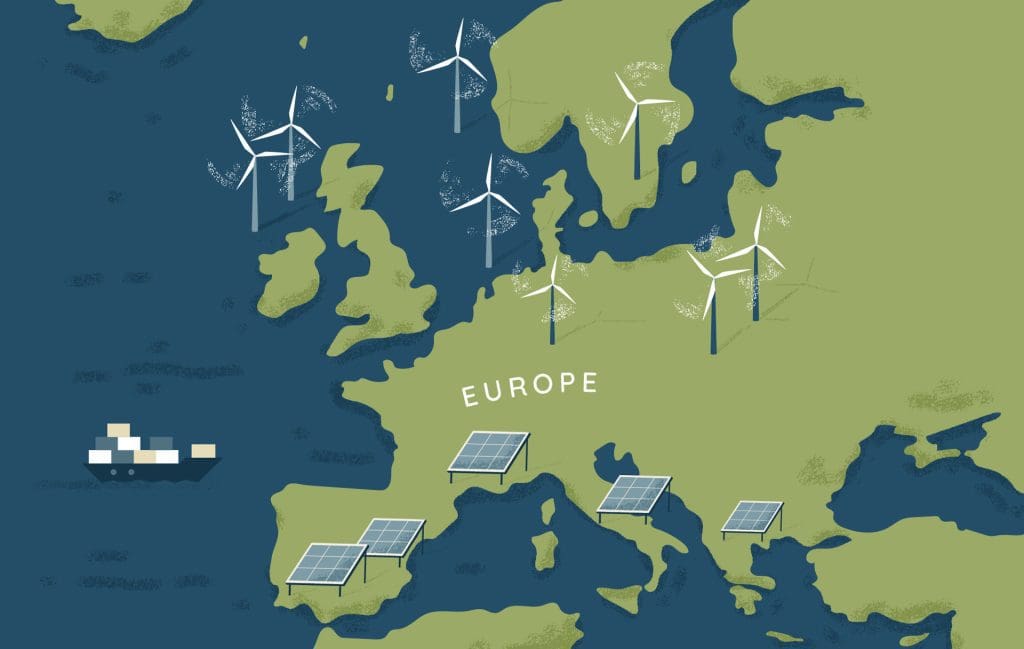
A graphic of Europe with wind and solar energy installations. The region is moving quickly to renewable energy.

The carbon intensity of the EU’s power generation has declined 40% since 2015 as wind and solar surged.

Share this post:

These countries imported the most Chinese solar panels in 2025

A photo of a parking lot covered in solar panels in the US, which now gets more power from wind and solar than from coal.

Pakistan topped the rankings as homes and businesses raced to install their own power in response to a national energy crisis.

Share this post:

South Korea joins coal phase-out coalition

A coal-fired power plant spewing pollution into the air.

The Asian nation operates the seventh largest coal fleet in the world, and is a major importer of the fuel.

Share this post:

100 US cities have now abolished parking mandates, freeing up space for housing

A parking lot

“Each one of them represents a community that has chosen to prioritise people, housing, and small businesses over mandatory parking lots.”

Share this post:

Mexico announces ambitious decarbonisation target

A photo of Claudia Sheinbaum, president of Mexico

“Mexico’s new climate plan stands among the most ambitious new climate targets from a major emitter,” according to an analyst.

Share this post:

Fact check: Do renewables really make electricity grids less reliable?

A floating solar system on a lake. Solar is the fastest growing power source globally and is helping renewables overtake coal.

In Germany, power availability to homes and businesses has increased over the years – even as the share of renewables has climbed.

Share this post:

Global electricity generation from fossil fuels declines amid solar surge

A graphic of a wind turbine and solar panels generating renewable energy

The share of renewables in the global electricity mix climbed to 34.3% in the first half of 2025, eclipsing coal (33.1%).

Share this post:

In numbers: Renewables have turned Spain into one of Europe’s cheapest electricity markets
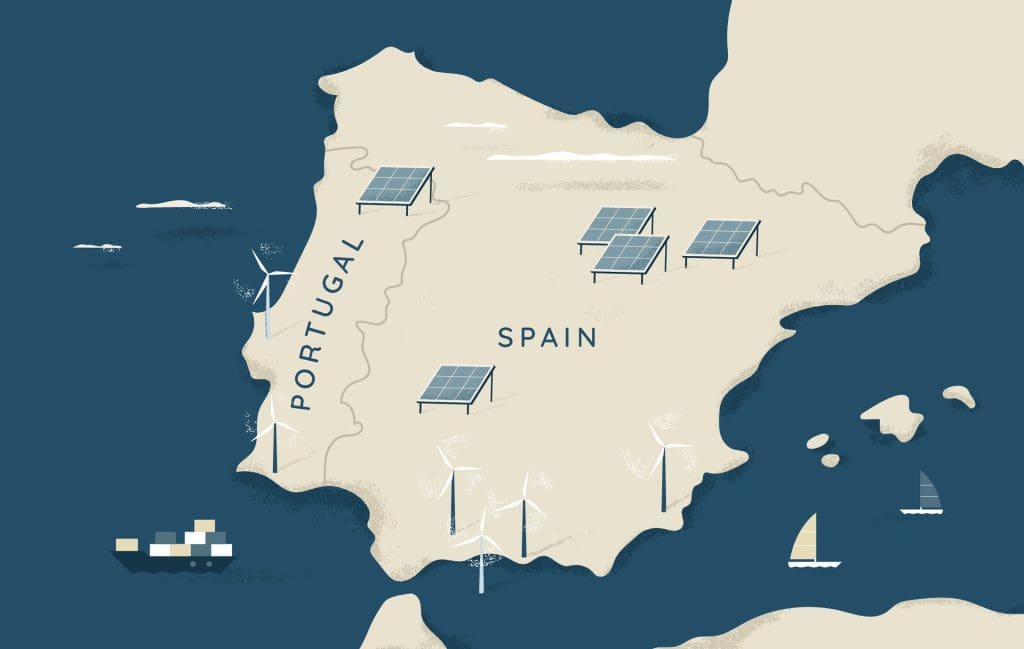
A map of the Iberian Peninsula, which includes Spain and Portugal. The region's economy is largely powered by renewable energy and nuclear.

Wind and solar met almost half of Spain’s electricity demand in the first half of 2025 (46%), up from 27% in the same period in 2019.

Share this post:
Next →

About

Editorial team

Advertise with us

Contact us

Privacy & Terms

Privacy policy

Terms of use

Cookies policy

Follow Us

Linkedin Youtube Instagram Rss