

bg Skip to content
The Progress Play Book Logo
  • Climate & energy
  • Transport
  • Cities
  • Social development
  • Events
  • About
  • Climate & energy
  • Transport
  • Cities
  • Social development
  • Events
  • About
Subscribe (FREE)
The Progress Play Book Logo
  • Climate & energy
  • Transport
  • Cities
  • Social development
  • Events
  • About
  • Climate & energy
  • Transport
  • Cities
  • Social development
  • Events
  • About
Subscribe (FREE)
  • About
  • Climate & energy
  • Social development
  • Transport
  • Cities
  • Events
  • Climate & Energy: Global Solutions and Success Stories
  • Sustainable Transport: Global Solutions & Success Stories
  • Sustainable Cities: Global Solutions & Success Stories
  • Social Development: Global Solutions & Success Stories
  • Denmark: Climate Leadership & Sustainability Success Stories
  • China: Clean Energy Transition & Sustainability at Scale
  • Netherlands: Circular Economy & Sustainable Innovation
  • Site Guide
  • South Africa power grid model

Author: Nick Hedley

Nick Hedley is a research analyst focused on clean energy and sustainable development. He is an analyst at Zero Carbon Analytics and has worked in the energy access space, developing financial models for solar PV projects in low-income communities in South Africa. Nick started his career as a financial journalist before moving into the climate and energy field. He has an economics honours degree from Rhodes University and qualifications in energy systems and climate science. He is based in Johannesburg, South Africa.

Top polluter China’s shrinking emissions put carbon peak in play

A solar system in China, which is moving past peak carbon emissions.

Annual emissions in China are forecast to fall through 2050 and decline either 7.2% or 8.2% this year.

Share this post:

‘Turning point’ in China’s pivot to clean steel production

An electric arc furnace. These technologies help to reduce emissions in the steel sector.

China is the world’s largest manufacturer of steel, and the sector is its second biggest source of carbon emissions.

Share this post:

Renewables climb to 65% of German power production in second quarter as coal hits fresh low

A wind farm in Germany, which is quickly transitioning to renewable power.

The country has added 10GW of new solar PV capacity over the past year, alongside 2.5GW of new onshore wind.

Share this post:

Cities that reduce speed limits improve road safety and cut emissions, European study finds

A traffic sign in the city of Amsterdam, the Netherlands, saying the speed limit is 30 kilometres an hour. This is the new speed limit in the whole city.

Implementing 30km/h speed limits reduces road crash fatalities, emissions, noise pollution, and fuel consumption.

Share this post:

Coal’s share of China’s power mix slumps to 53% in May amid clean energy surge — report
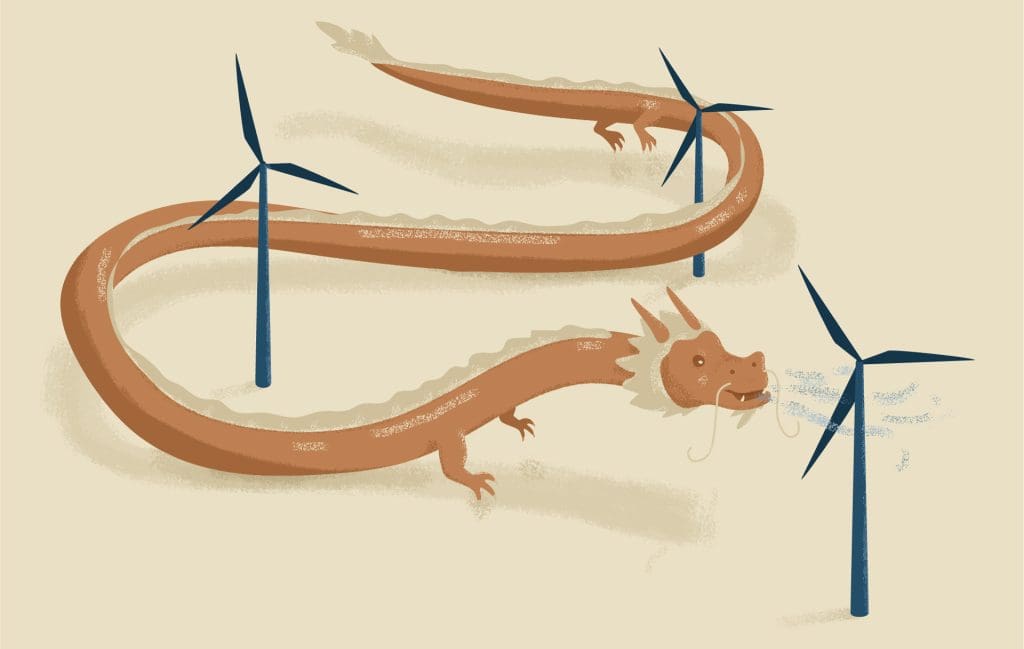
A Chinese dragon between wind turbines. China is rapidly moving towards renewable energy and shifting from coal.

This “reinforces the view that China’s carbon emissions are in a period of structural decline.”

Share this post:

Europe’s city bus operators are rapidly electrifying their fleets, data shows

An electric bus in Amsterdam. Europe is rapidly electrifying its city bus fleets, data shows.

On the current trajectory, 100% of new city buses will be emissions-free by 2027.

Share this post:

The EU got more than 50% of its electricity from renewables in first half of 2024

An aerial view of tulip fields that include renewable energy facilities - specidically wind and solar.

Three-quarters of the EU’s power came from low-carbon sources in the first half — up from 68% in 2023.

Share this post:

Fossil fuels made up less than a third of the EU’s electricity mix in 2023 as renewables advanced

An aerial view of Paris at night. France and the rest of the EU is now powered mostly by clean electricity.

Renewables were the largest source of electricity, accounting for 44.7% of the bloc’s mix.

Share this post:

Philippines emerges as Southeast Asia’s renewable power pacesetter

Wind turbines in the Philippines, which has become a leader in renewable energy in Southeast Asia.

The Philippines has a 99 gigawatt pipeline of wind and solar developments. That’s more than enough power to supply all the country’s households

Share this post:

Gas power output nearly halves in California in one year as batteries steal the show

Big batteries are increasingly becoming more economical than gas plants.

In the 100 days to June 14, California saw a 45% reduction in gas-fired power output, relative to the same period a year before.

Share this post:
← Previous
Next →

About

Editorial team

Advertise with us

Contact us

Privacy & Terms

Privacy policy

Terms of use

Cookies policy

Follow Us

Linkedin Youtube Instagram Rss