Skip to content


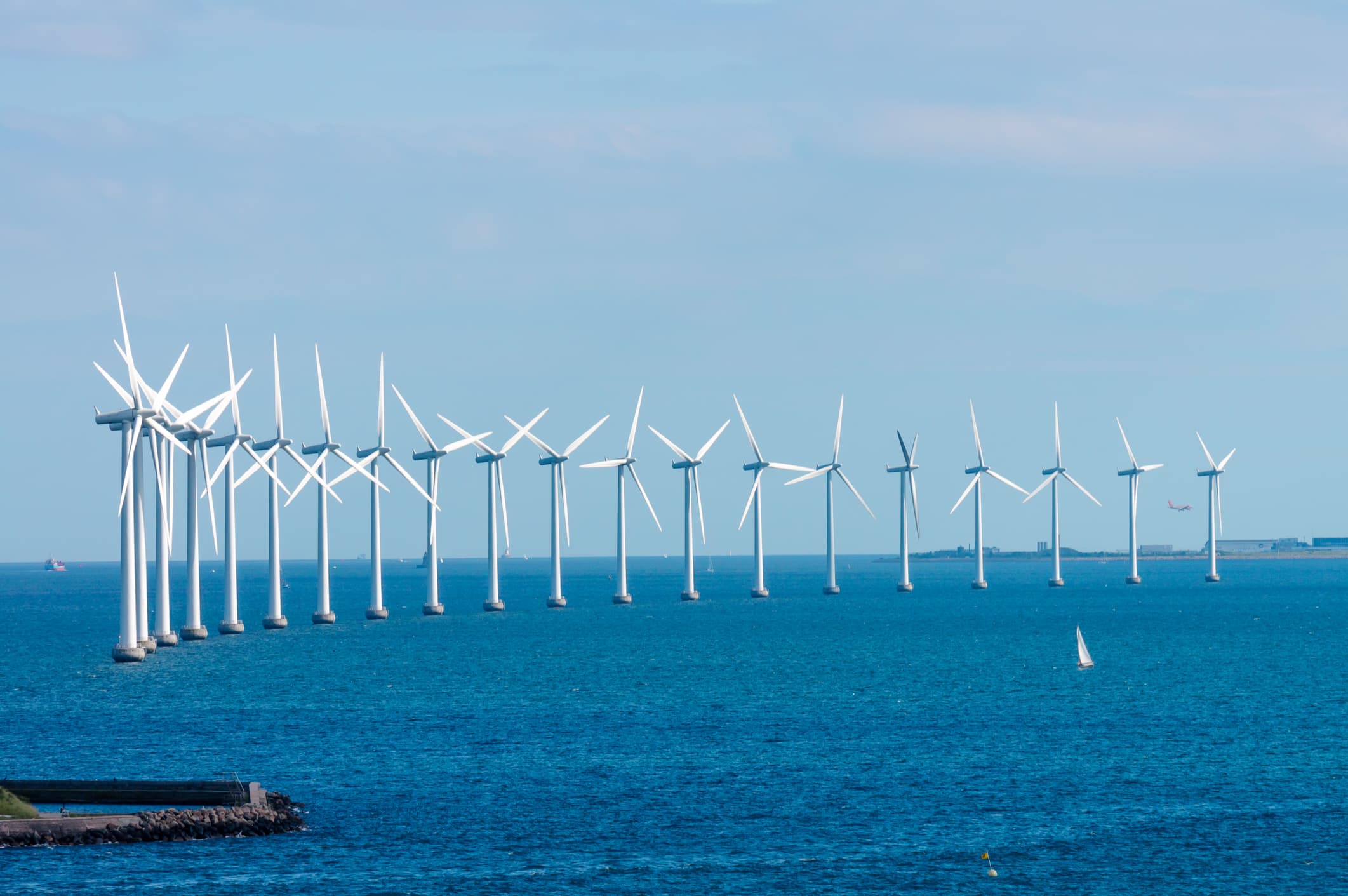
Thanks in part to their ambitious renewable energy programmes, Denmark and Estonia are the world leaders in climate action, a recent assessment by a group of non-profit researchers has found.
Both countries aim to complete the transition to 100% renewable electricity by 2030, notes the 2024 Climate Change Performance Index, which was complied by Germanwatch, the NewClimate Institute, and the Climate Action Network.
Denmark is well on its way, with renewables comprising 88% of its electricity mix in 2023, according to data collated by Ember. Estonia has more work to do, but the share of renewables in its electricity system has surged from 16% to 44% in just five years.

The Climate Change Performance Index ranks countries based on their progress in reducing emissions, adopting clean energy, enhancing energy efficiency, and introducing robust climate policies.
Denmark takes the top spot
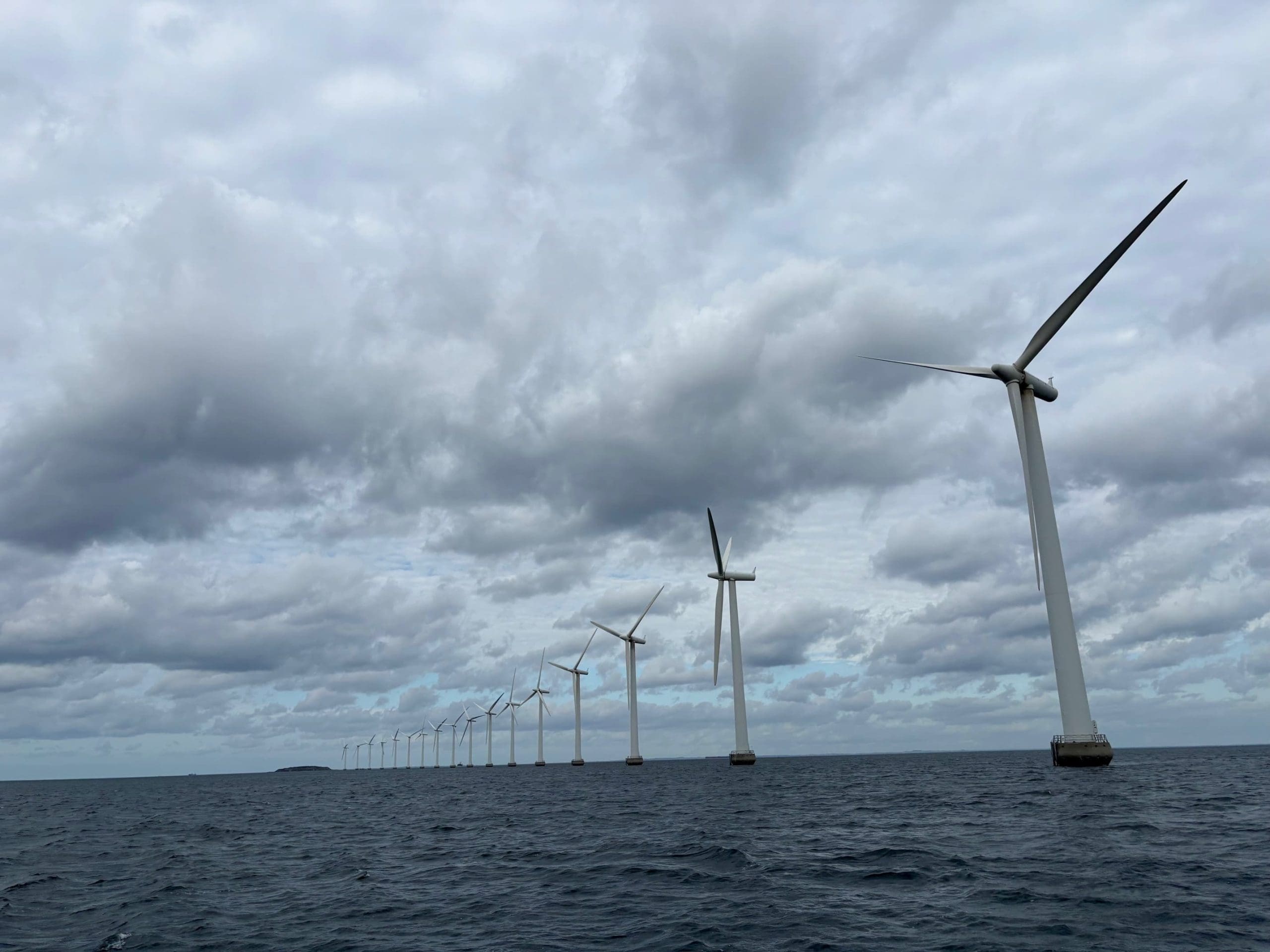
Denmark, which tops the rankings, pioneered the use of commercial-scale wind turbines in the 1970s amid the world oil crisis, and homegrown firms such as Ørsted and Vestas have established themselves as leading suppliers of the technology.
The country’s success in clean energy is partly thanks to its long history of bipartisan, cross-party energy agreements, which have provided policy certainty even amid leadership changes. This has been aided by high levels of institutional trust and meaningful public participation in the policymaking process.
And since the 1970s, the state has been willing to back innovative technologies to bring costs down and accelerate the transition.
Today, the government is working to develop offshore energy islands while also promoting the use of green hydrogen in hard-to-abate sectors.
Yet the Climate Change Performance Index states that though Denmark is the world leader in climate action, even its performance isn’t aligned with limiting global warming to 1.5°C. There’s still plenty of room for improvement in energy efficiency and climate policy, according to the researchers, who note that Denmark continues to subsidise polluting biomass plants and is expanding motorways.
Estonia is catching up fast
Domestic oil shale remains Estonia’s largest energy source, yet the country is now making significant process in shifting from fossil fuels.
Estonia is tapping funding from the European Union to ramp up renewable energy installations and reduce its reliance on Russian fuels.
Solar is advancing at a rapid pace, increasing its share of the electricity mix from 0.2% in 2018 to 12% in 2023. Some in the industry even claim the technology could satisfy half the country’s electricity demand within the next three years. Offshore wind is also high on the agenda.
Estonia’s brisk transition is partly attributable to strong government commitments.
The state has introduced a package of policy reforms to fast track the energy transition, including removing administrative barriers and strengthening the grid to accommodate more clean energy.
The country has also established itself as a climate tech hub. According to a PwC analysis, 43% of climate tech investments in central and eastern Europe went to Estonian start-ups between 2013 and the first half of 2021.