Skip to content



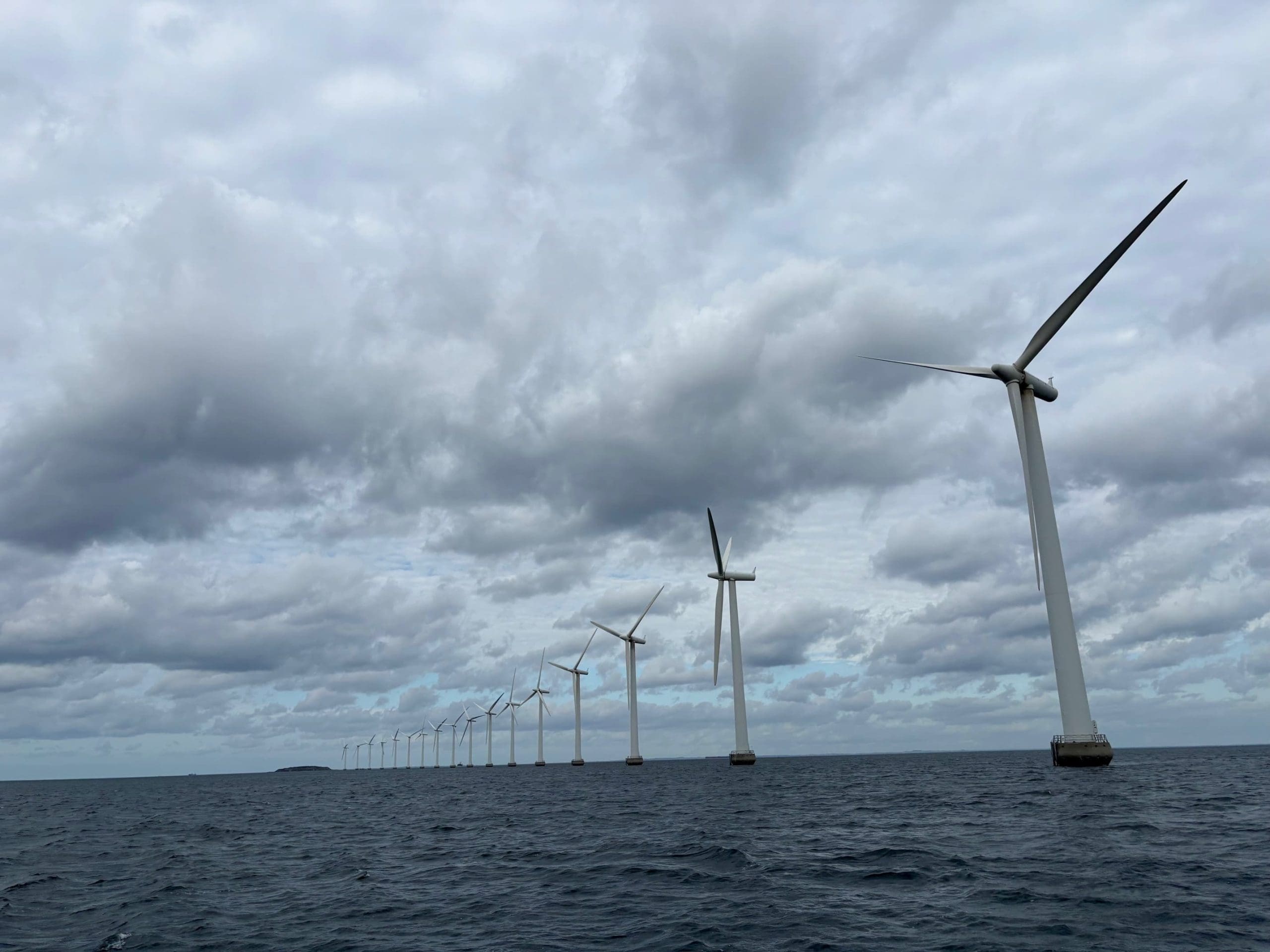
In the dry northern reaches of Kenya, 365 towering wind turbines slice through the sky above Lake Turkana. Africa’s largest wind farm, a 310MW project, generates enough clean electricity to power over a million homes. Thousands of kilometers to the southeast, in the sun-drenched plains of Garissa County, one of East Africa’s largest solar plants spreads across the landscape, turning sunlight into a lifeline.
These facilities represent some of the key milestones in Kenya’s bold, methodical march toward a cleaner, more inclusive energy future. And the mission is already paying off.
By 2024, Kenya’s electricity mix was 92% renewable, with geothermal making up the largest share at 43%, followed by hydro at 28%, wind at 14% (from almost zero a decade before), and solar at 4%, according to data collated by Ember. Fossil fuels accounted for just 8% of the mix, placing Kenya among the frontrunners in the shift to 100% clean power.
Importantly, the boom in geothermal, wind, and solar energy means the East African nation now produces around 40% more electricity than a decade ago, helping it plug the energy access gap.

“Kenya is not just chasing megawatts but building a foundation for prosperity,” says Peter Mwangi, a clean energy policy analyst based in Nairobi. “When rural schools and clinics get power, when women can run small businesses from home, when the cost of energy goes down, that is when the impact becomes real.”
That transformation is being enabled by deliberate policies. The government’s feed-in tariff programme, launched in 2008 and expanded in subsequent years, created a stable environment for private sector investment in renewable energy. It allowed independent power producers to connect to the national grid and receive fixed payments, making Kenya one of the earliest adopters of market incentives for clean power in Africa.
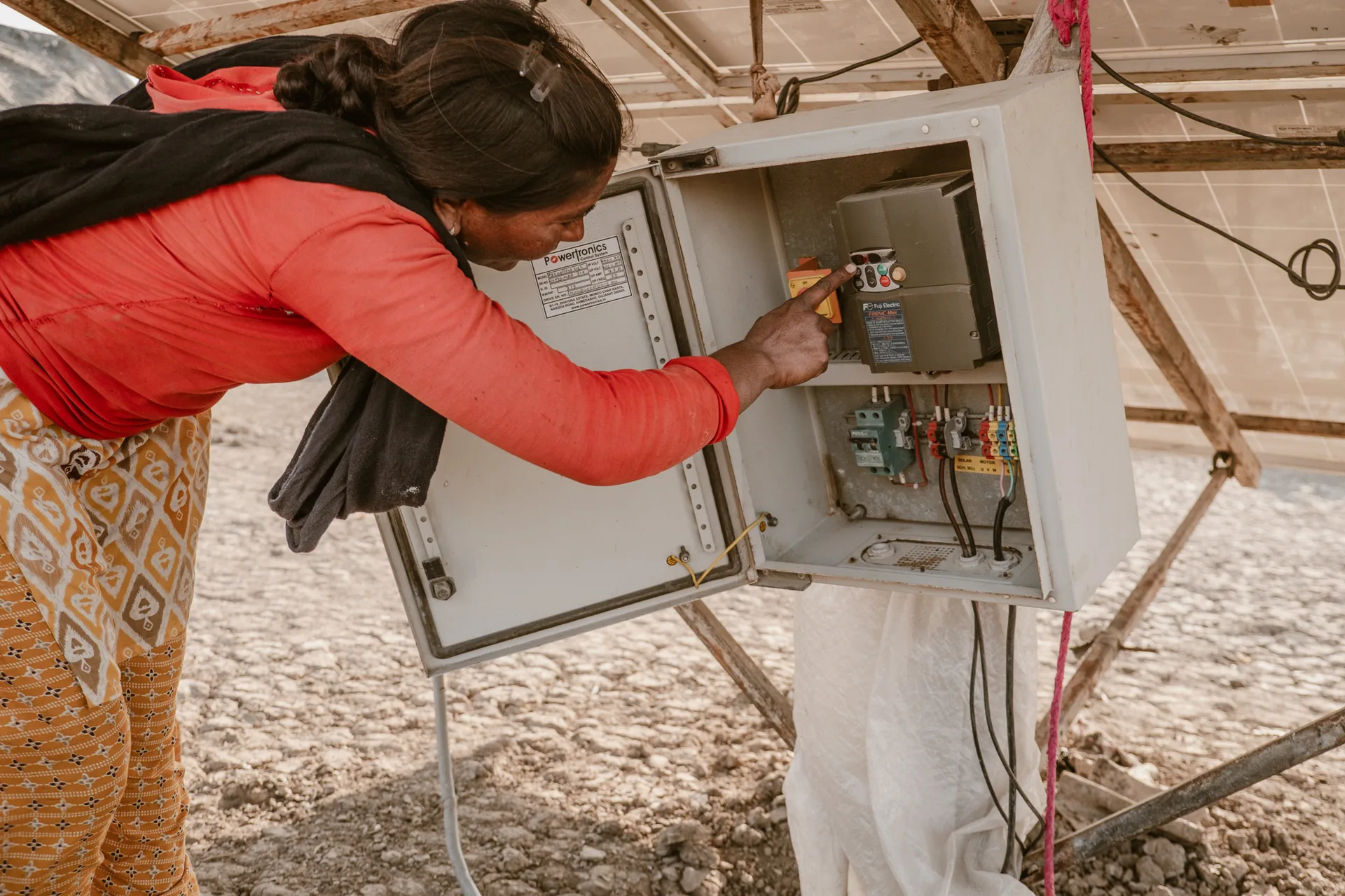
At the same time, the Last Mile Connectivity Project, supported by the African Development Bank and other international partners, has extended electricity access to over 1.3 million low-income households since its inception in 2015. In areas once left behind, families are lighting homes, refrigerating food, and charging phones, often for the first time.
One such area is Makueni County, where Jane Nduku, a mother of four, now runs a small tailoring business powered by a solar mini-grid. “Before the coming of electricity, we relied on kerosene lamps. Now, I sew clothes in the evening, and my children can read after dark,” she says. “It has changed our lives.”
Kenya’s embrace of geothermal power has also drawn international attention. The country now ranks as Africa’s top geothermal producer, with massive potential still untapped in the Rift Valley. At Olkaria, near Lake Naivasha, high-temperature steam extracted from deep underground powers turbines around the clock, providing a stable supply of energy that complements the more variable output of wind and solar farms.
The model is drawing investment. Global renewable energy firms are expanding into Kenya, attracted by relatively strong infrastructure, abundant natural resources, and a government that is keen to lead. According to the Ministry of Energy, Kenya aims to achieve universal electricity access and transition fully to renewable power by 2030.
Still, challenges remain. Expanding grid capacity, maintaining affordability, and integrating variable renewables will require careful planning. But the path forward is clearer than ever.