Skip to content


Wales has 28 ‘libraries of things’ dotted across the country, with more in the pipeline. Here’s the story of how the movement came about and what other countries can learn from it.
By Becky Harford, co-founder and director of Benthyg Cymru, the world’s first national network of libraries of things.
It all started with a library. But not the kind you might expect.
Back in 2017, I was a mum, broke, grieving, and trying to find my feet in a new part of the city. The local library became a lifeline — one of the few warm, welcoming places I could go without spending money. When the council announced it was due to close, I did what felt impossible at the time: I led a campaign to save it. We succeeded. And in doing so, we laid the foundations for something bigger — a ‘library of things’.
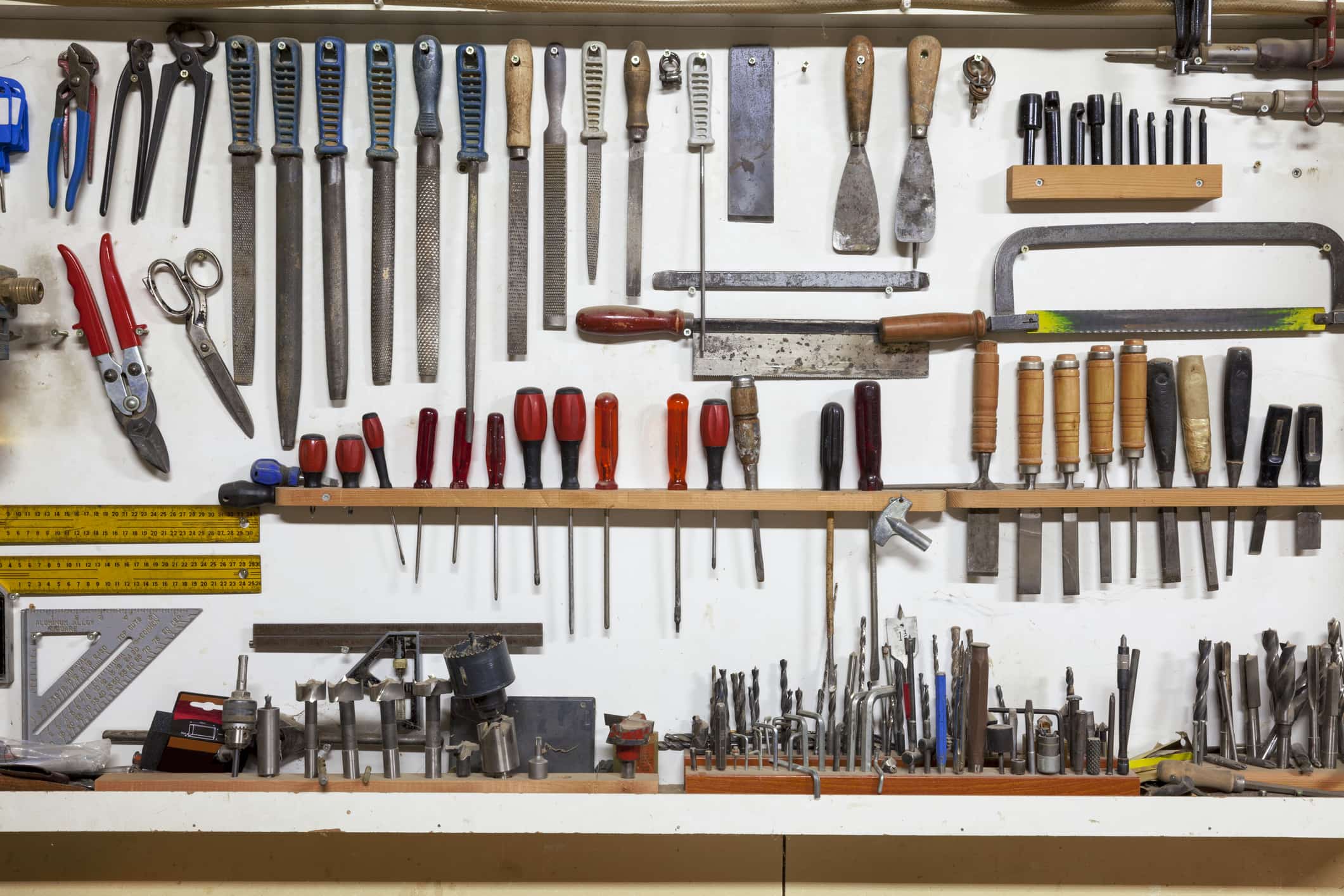
That single community-led act became the spark for Benthyg Cymru, Wales’ network of libraries of things. The name “Benthyg” means “to borrow” in Welsh, and the principle is simple: people should be able to borrow the things they need but don’t use often — from power tools to pasta makers — without having to buy them. Sharing is not just common sense, it’s community care and looking after our resources.
The rationale: Policy meets people
Benthyg Cymru was formally set up in 2020, backed by funding from the Welsh government as part of its Beyond Recycling strategy. Wales is leading the way — not just in circular economy thinking, but in how we connect that to fairness, equity, and the long view. We’re the first country in the world to have a Wellbeing of Future Generations Act, which legally requires public bodies to act in the interest of people not yet born. It’s a bold and practical commitment to intergenerational justice — something the UN is only now beginning to champion through its Our Common Agenda and Futures work.
Benthyg Cymru is putting that vision into practice, one borrowed drill or pasta maker at a time. We’re the first nation to roll out a national network of libraries of things, embedded into community infrastructure and public systems. The idea itself isn’t new — tool libraries have been around since the late 1970s, with one of the earliest in Berkeley, California — but what’s happening in Wales is different. Here, it’s not a one-off project or a novelty. It’s a movement, grounded in policy, powered by community, and driven by the belief that everyone should have access to what they need, in their own communities.
The network: From one library to a national movement
Today, we’ve got 28 libraries of things up and running across Wales, from urban centres to rural towns. Each one is unique. Some are nestled inside libraries or community centres, while others pop up in shipping containers, public libraries or on the high street. We’ve got more in the pipeline — some led by housing associations, others by local councils or grassroots groups.
Each library is co-created with the community it serves. That’s one of our most powerful learnings: if you don’t ask people what they need, you’ll miss the point entirely. A coastal village might prioritise wetsuits and beach kit. A city centre might need drills and sewing machines. One size doesn’t fit all — and it shouldn’t.
Best practices: Don’t start with the stuff
The stuff matters, sure — but relationships matter more. One of our best practices is what we call “people before products.” We spend time in communities, listening. We use human-centred design approaches, build local partnerships, and make sure the governance of each library reflects the diversity of the people it serves.
It’s working
To date, we’ve had over 18,000 successful borrows across the network — and that number grows every single week. Together, our borrowers have saved more than £500,000, simply by borrowing instead of buying. And by sharing instead of consuming, we’ve prevented over 220,000kg of CO₂ from entering the atmosphere. That’s the power of collective action — quietly reshaping the economy from the ground up.
Some of our most popular items are:
- Carpet cleaners
- Jet washers
- Projectors and gazebos for community events
- DIY tools
- Kitchen kit for big family meals
Anecdotally, many of our borrowers tell us they simply couldn’t have afforded to buy the item they borrowed. That’s what makes this more than a green initiative — it’s about justice. It’s about dignity. It’s about making sure people can meet their needs without shame, debt, or exclusion.
As for delinquent borrowers? We estimate delinquent borrows to be less that 3%, and most of those are due to life getting in the way. We build in grace and understanding, but we also have safeguards — borrowers must register, provide ID, and we track borrowing histories to spot patterns early.
How it works: Cost, access, and fairness
Each library of things sets its own prices — this isn’t something we dictate. We’re not here to make a profit from borrowers. Communities decide what’s fair, and nobody is excluded. Some libraries work with local partners and community organisations to refer people who might be struggling — and in those cases, items are often free or available on a pay-what-you-can basis. It’s done with care, on a case-by-case basis, because dignity and access come first.
Could this be self-sustaining?
In theory, yes. But it would take more than a pricing tweak. It would require a behavioural shift, where borrowing becomes as normal as buying. It would also need local authorities and anchor institutions to invest not just in “stuff,” but in the infrastructure of trust — places, people, and systems. We’ve got things to do but we’re getting there one borrow at a time.
Until then, government support remains vital. But make no mistake: this isn’t a handout. It’s an investment in a better, fairer future.
More than borrowing: The co-benefits and social value
Libraries of things don’t just reduce waste — they build social fabric. They bring people together, spark conversations, and create local hubs where knowledge, skills, and solidarity are shared just as much as the items on the shelves. Volunteers gain confidence, skills, and a sense of purpose. Borrowers connect with their neighbours. People start to see their community not as a place they live, but as something they shape.
This is what a wellbeing economy looks like in practice — an economy where the goal isn’t just growth, but equity, sustainability, and collective care. The social value is real, even if it doesn’t always show up on a balance sheet. It’s the single mum fixing her hoover instead of going without. It’s the retired engineer teaching someone how to use a drill. It’s the shift from “mine” to “ours,” and from isolation to connection.
Benthyg Cymru is part of a much bigger shift — towards an economy that works for people and planet, not just profit.
You can sign up for Harford’s newsletter here.
Read also: The rise of the ‘sharing city’ model