Skip to content



By the shores of Lake Victoria, the city of Kisumu is undergoing a transformation — not just of its skyline or infrastructure, but in spirit. Once known mainly for its fish markets and vibrant matatus (passenger taxis), Kenya’s third-largest city is now quietly emerging as one of East Africa’s most deliberate experiments in green urbanism.
From solar-powered streetlights to electric motorbike chargers, and from stormwater drains to urban farms, Kisumu is showing that sustainable development need not be flashy — it just needs to be intentional.
For Jane Achieng, a shopkeeper in the city, the changes have been both visible and personal.
“We used to close by 7 p.m. because it got too dark and unsafe. Now, the solar lights keep our street bright until late. I make almost double the sales I did two years ago,” she says, referring to the city’s new solar-powered floodlights.
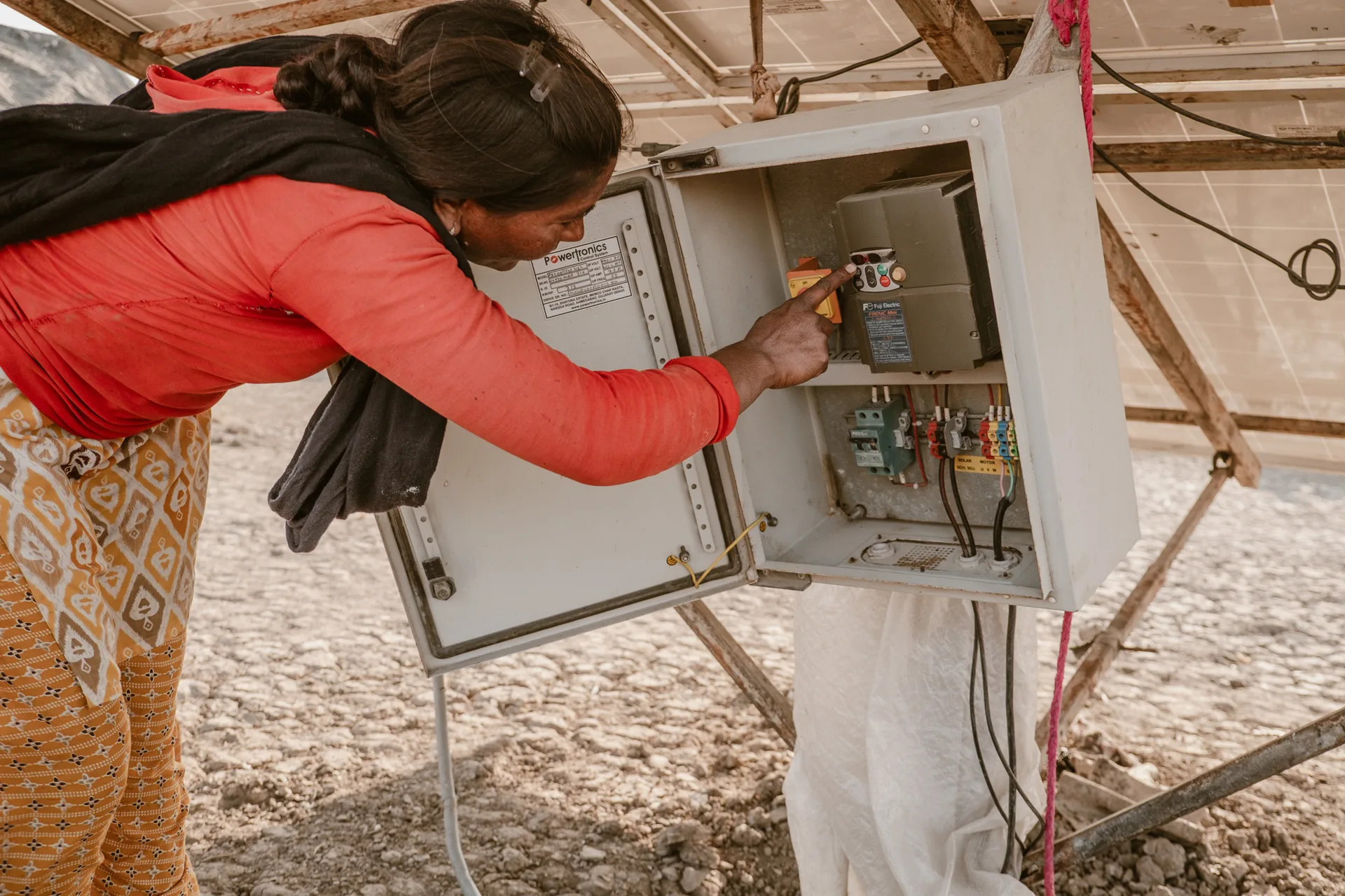
The lights are part of a broader green infrastructure push. In recent years, Kisumu County has installed hundreds of solar-powered streetlights and embarked on a multi-phased solar lighting project. The county is also switching existing streetlights from the main grid to solar power to reduce dependency on the national grid and improve safety, including in crime-prone informal settlements.
In 2023, a solar-powered electric motorcycle charging station was opened in Katito, a rural town in Kisumu County. The project, spearheaded in partnership with NGOs and green energy startups, saves an estimated 1.17 million kWh of grid power annually and reduces 12,000 metric tonnes of CO₂ emissions each year.
Meanwhile, plans are underway to construct a 40MW solar power plant in the Kibos area.
The city says its approach is aligned with the county government’s goal of boosting the economy in a way that sustainably raises living standards.
“There is intent to achieve sustainable economic growth and boost industrial and manufacturing capacity by enhancing the exploration, development and adoption of clean, sustainable and reliable energy technologies,” the county’s official website says.
Alongside its energy investments, the city is also installing cycling lanes and promoting urban agriculture, including rooftop gardens and hydroponics.
Linda Mbote, a sustainability expert who’s studied Kisumu’s progress, says the city offers a rare African case study in practical, locally-led green planning.
“What makes Kisumu special is that the changes aren’t just donor-driven or tech-fuelled—they’re people-centred. They’re adapting global sustainability models to local realities. That’s something other cities across the continent can learn from,” Mbote says.
The results are already evident.
In downtown Kisumu, commuters hitch rides on electric motorcycle taxis (known locally as boda bodas). Meanwhile, women’s cooperatives are getting involved in composting and waste-to-energy initiatives, helping reduce strain on the city’s landfill.
For Achieng, the city feels completely different to before. “Even the air feels cleaner,” she says, smiling as she serves a customer. “People used to think development meant concrete. Now we know it can mean trees, light, and clean air too.”
While it’s early days yet, Kisumu’s model could become Africa’s blueprint for climate-conscious urban living.