bg Skip to content
The Progress Play Book Logo
  • Climate & energy
  • Transport
  • Cities
  • Social development
  • Events
  • About
  • Climate & energy
  • Transport
  • Cities
  • Social development
  • Events
  • About
Subscribe (FREE)
The Progress Play Book Logo
  • Climate & energy
  • Transport
  • Cities
  • Social development
  • Events
  • About
  • Climate & energy
  • Transport
  • Cities
  • Social development
  • Events
  • About
Subscribe (FREE)
  • About
  • Climate & energy
  • Social development
  • Transport
  • Cities
  • Events
  • Climate & Energy: Global Solutions and Success Stories
  • Sustainable Transport: Global Solutions & Success Stories
  • Sustainable Cities: Global Solutions & Success Stories
  • Social Development: Global Solutions & Success Stories
  • Denmark: Climate Leadership & Sustainability Success Stories
  • China: Clean Energy Transition & Sustainability at Scale
  • Netherlands: Circular Economy & Sustainable Innovation
  • Site Guide

Author: Nick Hedley

Nick Hedley is a research analyst focused on clean energy and sustainable development. He is an analyst at Zero Carbon Analytics and has worked in the energy access space, developing financial models for solar PV projects in low-income communities in South Africa. Nick started his career as a financial journalist before moving into the climate and energy field. He has an economics honours degree from Rhodes University and qualifications in energy systems and climate science. He is based in Johannesburg, South Africa.

In numbers: Solar and batteries are quickly displacing gas in California’s power grid

A sunset scene in California, with solar panels on a lifeguard hut

Solar will soon overtake gas as California’s largest source of power, based on recent growth rates.

Share this post:

Europe’s shift to electric cars accelerates thanks to tighter pollution rules
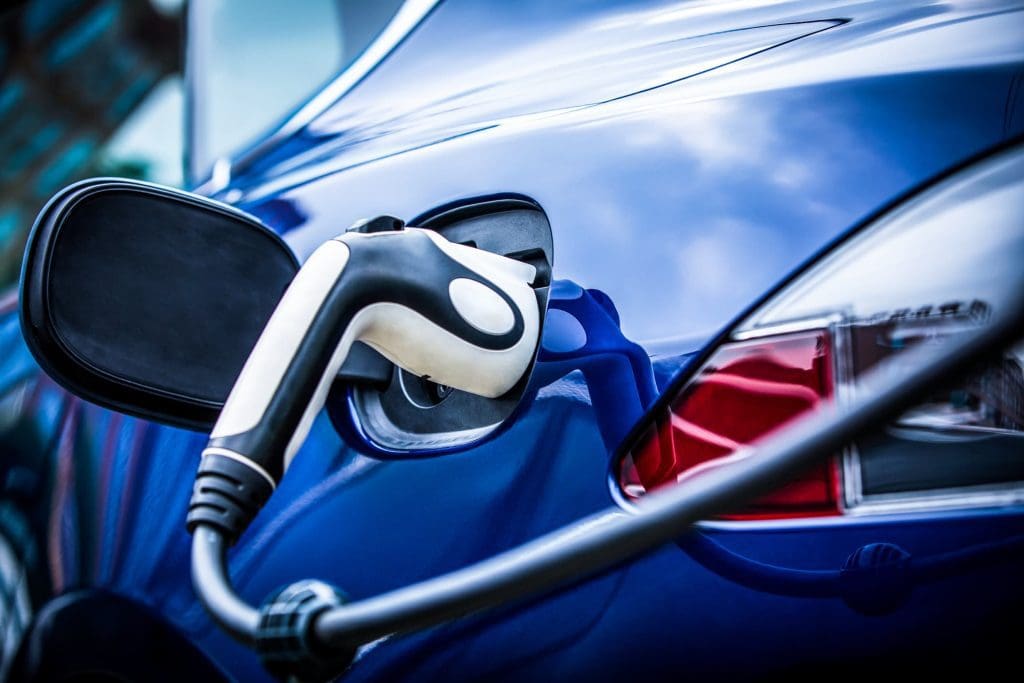
A photo of an electric vehicle charging.

Including traditional hybrids, cars with batteries comprised 57.3% of all vehicles sold in the EU in January 2025.

Share this post:

Why China is leading the global switch to electricity
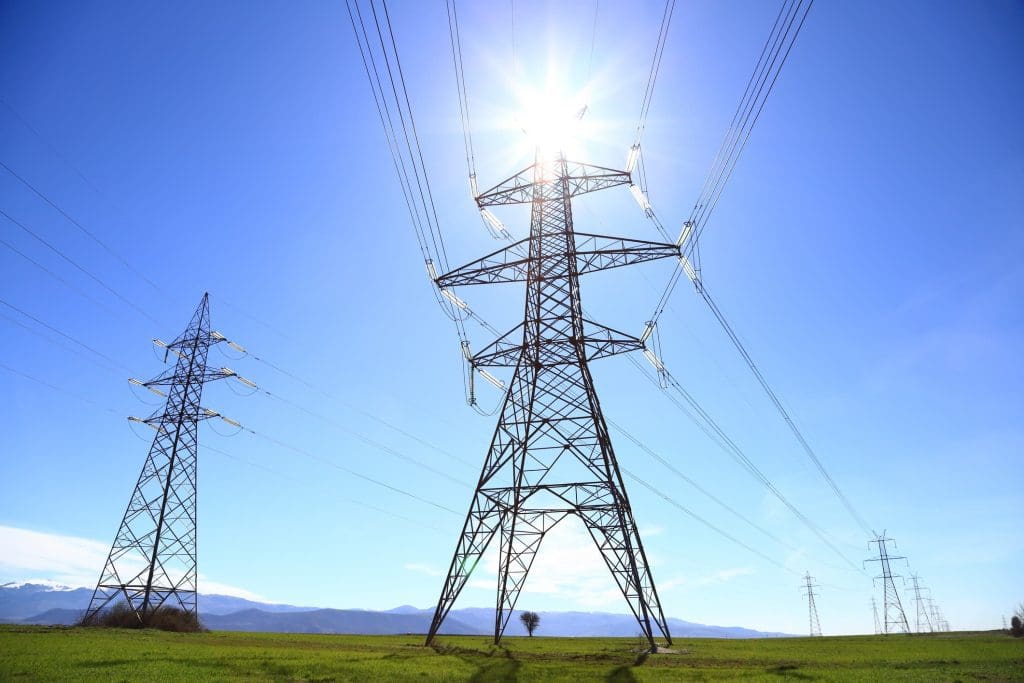
Power lines beneath the sun

In 2024, electricity made up 28% of China’s total final energy consumption. That’s comfortably ahead of the US (22%) and the EU (21%).

Share this post:

Free from Russia’s grid, Lithuania advances towards 100% renewable power by 2030
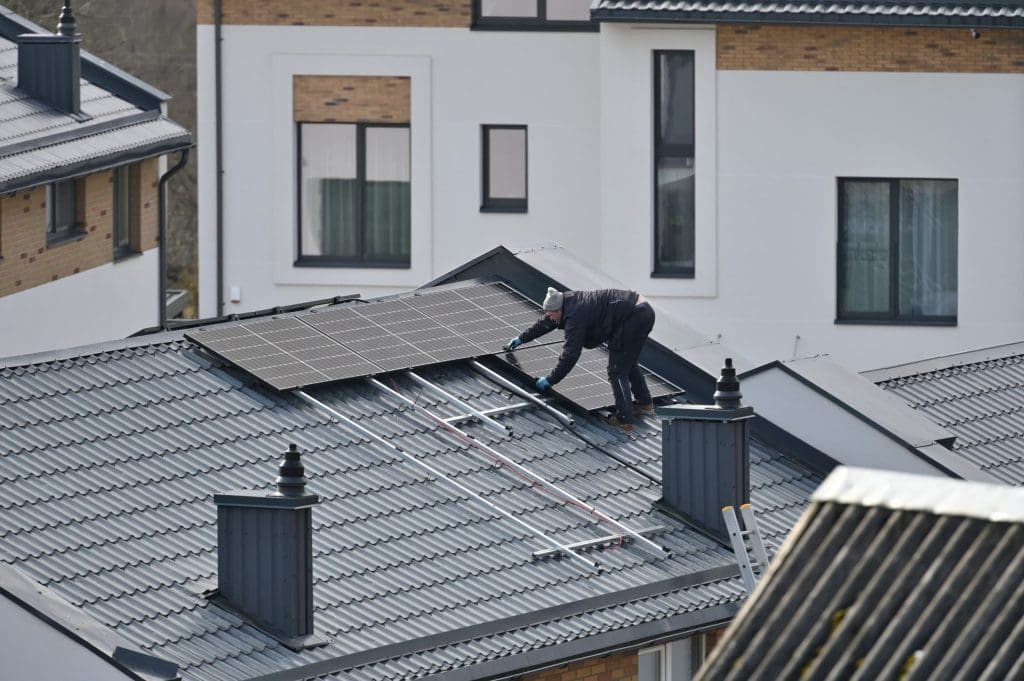
A man installing solar panels on a rooftop in Vilnius, Lithuania. The country is a frontrunner in the transition to 100% renewable electricity.

Lithuania plans to procure at least 800MWh of energy storage to help it achieve its goal of reaching 100% renewable electricity by 2030.

Share this post:

These car brands have the cleanest supply chains
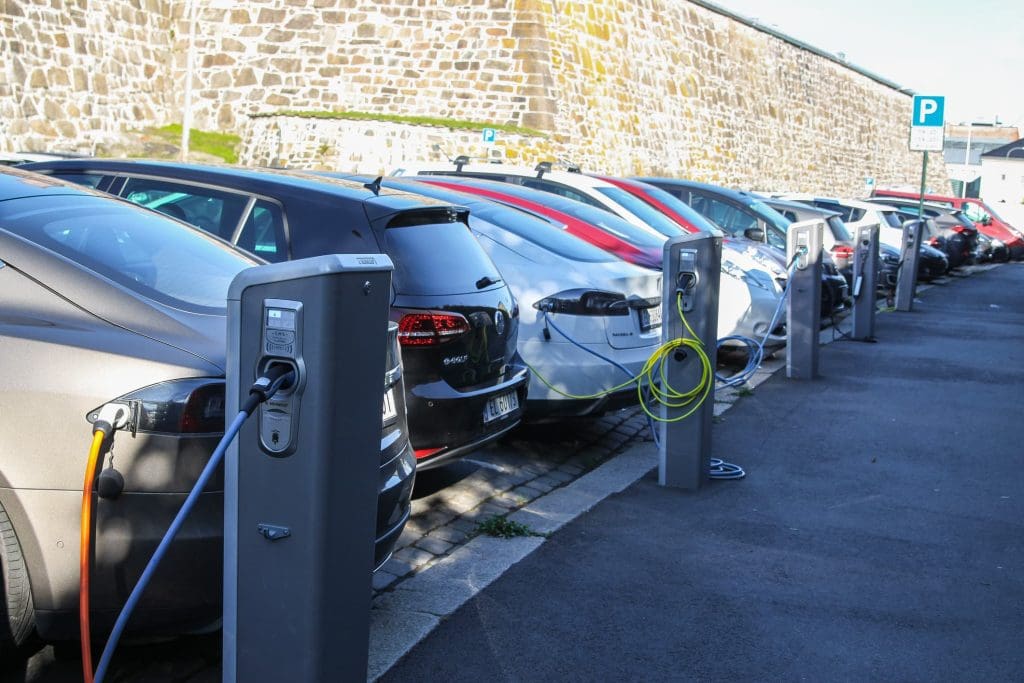
A row of electric vehicles charging their batteries.

Automakers have made some improvements to their supply chains, but the industry “still has an unacceptably long way to go”.

Share this post:

How these Tanzanian communities are tapping carbon markets for conservation, developmental funding
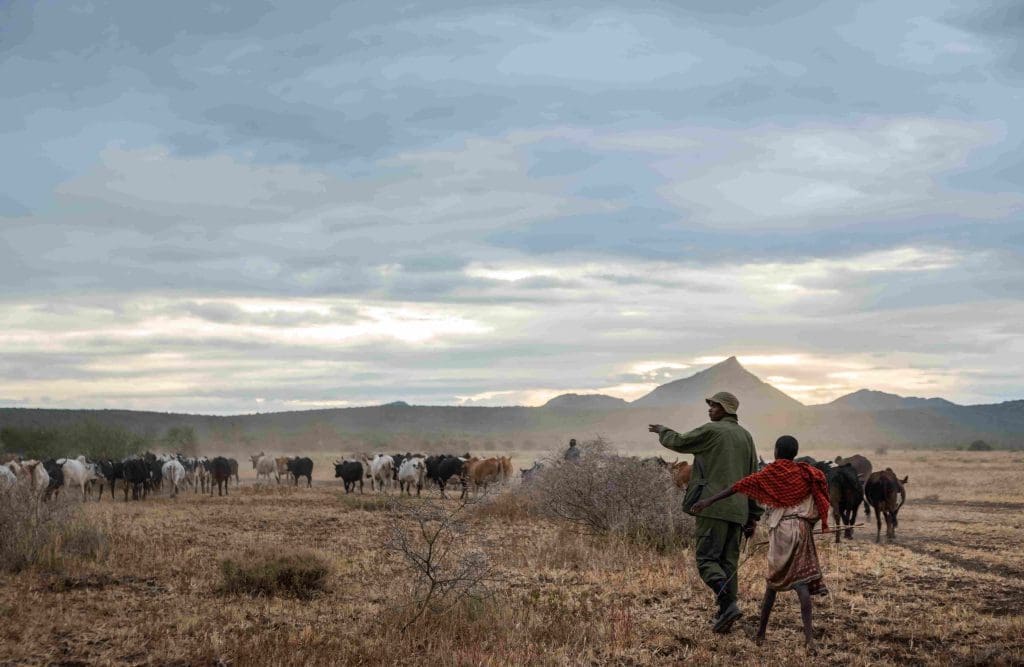
Maasai people in Tanzania protecting their forests and land with the help of carbon markets.

In 2024, the Makame Savannah project, which includes five Maasai communities, earned $1.3 million in carbon revenues.

Share this post:

In Oslo, construction projects are now clean and quiet
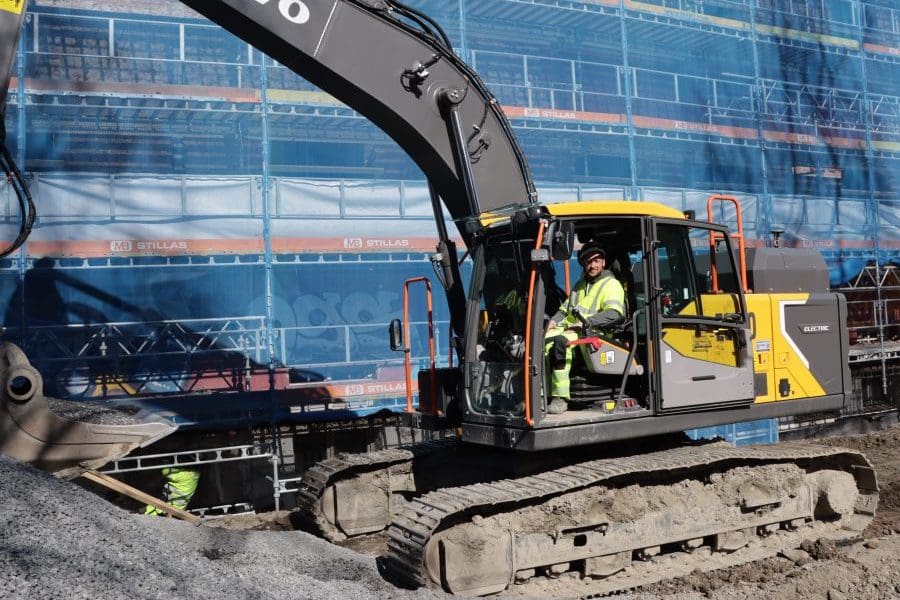
A photo of an electric excavator in use in Oslo.

As of January 2025, all contractors providing work to Oslo’s government have to use clean and quiet machinery.

Share this post:

UK ‘sets example for the world’ with bold climate action targets

A graphic of a wind turbine with the UK's Union Jack behind it. The UK is a leader in climate action.

However, a planned expansion of Heathrow airport is seen as incompatible with the otherwise commendable plan, experts say.

Share this post:

Wave of renewable energy projects granted priority status in the Philippines

A photo of Coron in the Philippines. The country is ramping up its renewable energy capacity.

The island nation, which is threatened by climate change, aims to reach 35% renewable electricity by 2030, up from 22% in 2023.

Share this post:

These major Swedish banks have stopped lending to the fossil fuel industry
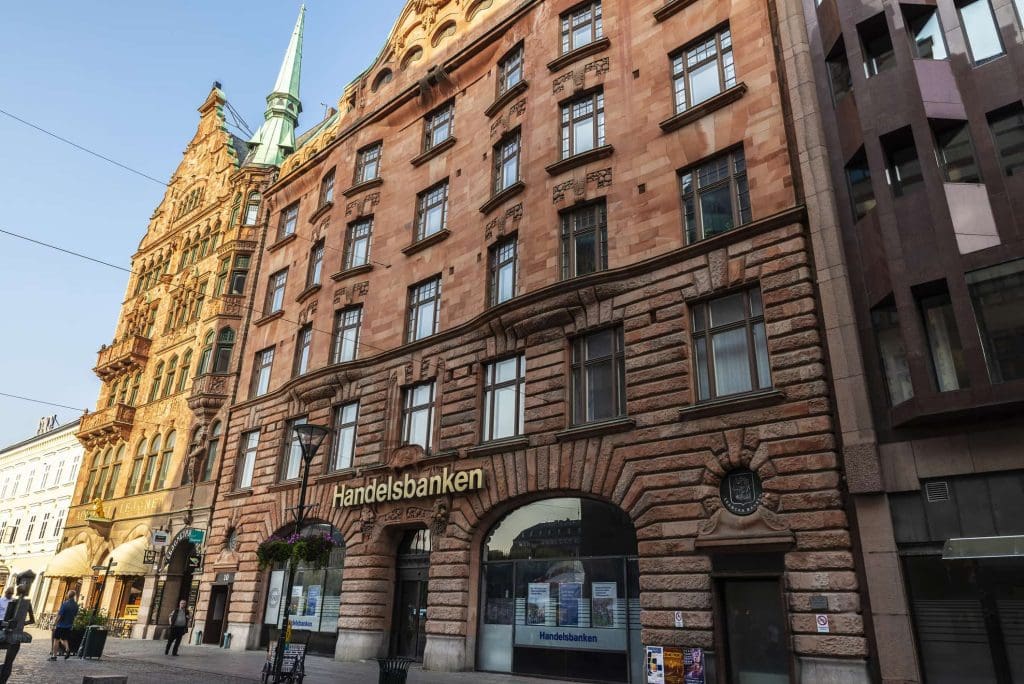
A photo of a branch of Handelsbanken in Sweden. The bank has stopped lending to fossil fuel companies.

The country’s largest bank by assets, Handelsbanken, has not approved any new loans or underwriting to fossil fuel companies since 2019.

Share this post:
← Previous
Next →

About

Editorial team

Advertise with us

Contact us

Privacy & Terms

Privacy policy

Terms of use

Cookies policy

Follow Us

Linkedin Youtube Instagram Rss