bg Skip to content
The Progress Play Book Logo
  • Climate & energy
  • Transport
  • Cities
  • Social development
  • Events
  • About
  • Climate & energy
  • Transport
  • Cities
  • Social development
  • Events
  • About
Subscribe (FREE)
The Progress Play Book Logo
  • Climate & energy
  • Transport
  • Cities
  • Social development
  • Events
  • About
  • Climate & energy
  • Transport
  • Cities
  • Social development
  • Events
  • About
Subscribe (FREE)
  • About
  • Climate & energy
  • Social development
  • Transport
  • Cities
  • Events
  • Climate & Energy: Global Solutions and Success Stories
  • Sustainable Transport: Global Solutions & Success Stories
  • Sustainable Cities: Global Solutions & Success Stories
  • Social Development: Global Solutions & Success Stories
  • Denmark: Climate Leadership & Sustainability Success Stories
  • China: Clean Energy Transition & Sustainability at Scale
  • Netherlands: Circular Economy & Sustainable Innovation
  • Site Guide

Author: Nick Hedley

Nick Hedley is a research analyst focused on clean energy and sustainable development. He is an analyst at Zero Carbon Analytics and has worked in the energy access space, developing financial models for solar PV projects in low-income communities in South Africa. Nick started his career as a financial journalist before moving into the climate and energy field. He has an economics honours degree from Rhodes University and qualifications in energy systems and climate science. He is based in Johannesburg, South Africa.

Europe’s emissions from generating electricity slide (again) in 2024
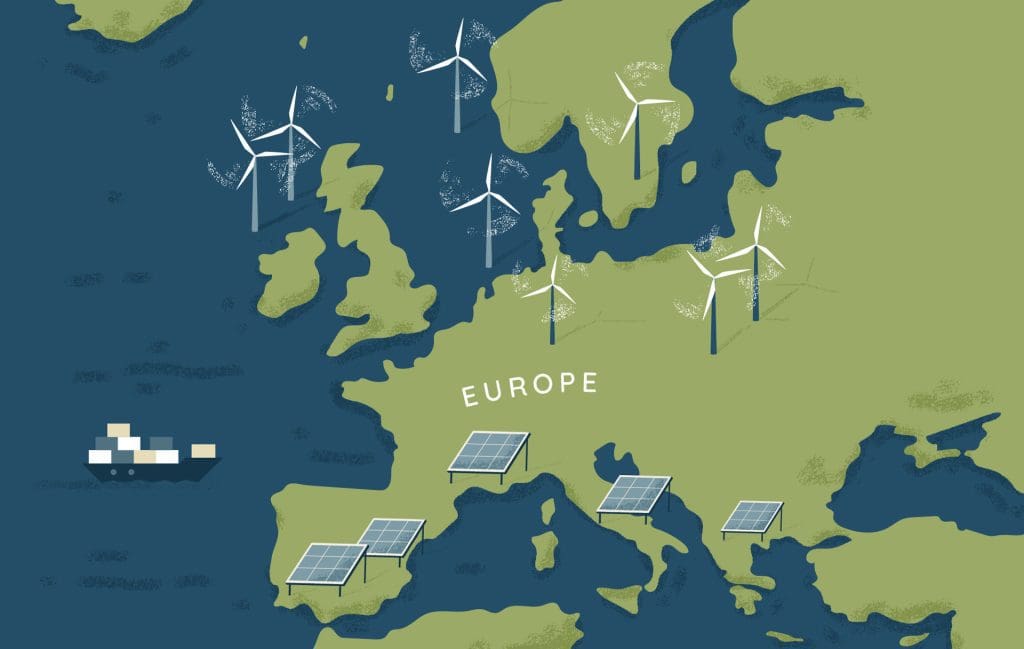
A graphic of Europe with wind and solar energy installations. The region is moving quickly to renewable energy.

Emissions from power plants declined 16.5% last year, following a 25% slide in 2023, amid a rapid coal phase-out.

Share this post:

In numbers: China hits fresh milestones in its energy transition
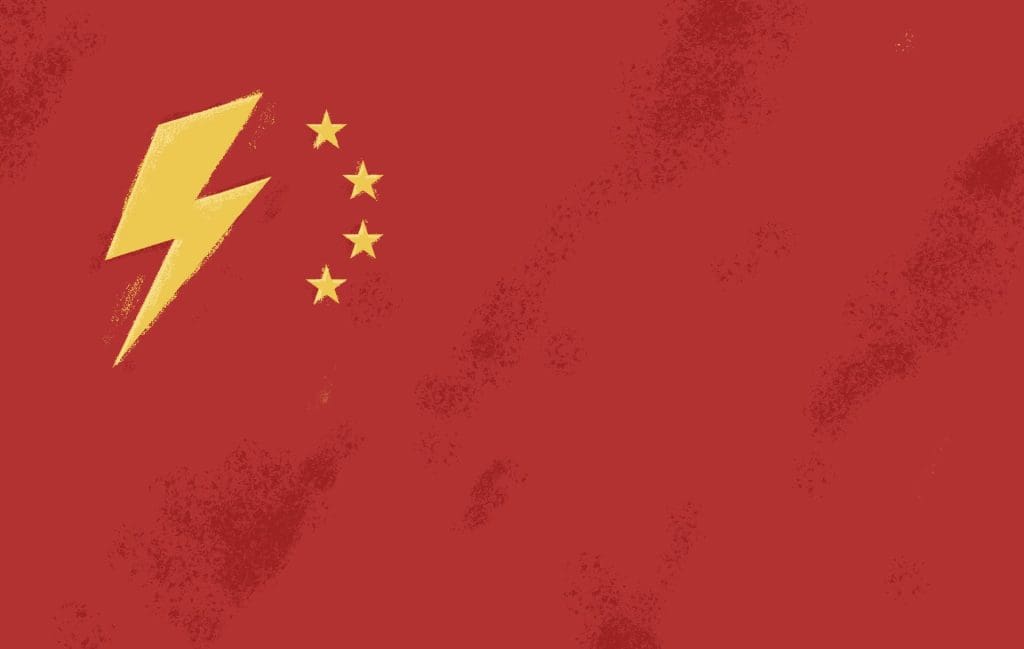
A graphic showing the flag of China with an electricity bolt to depict the country's success in electrification, EVs and renewable energy.

Wind and solar have overtaken thermal plants (coal, gas, oil, and bioenergy) in terms of generating capacity.

Share this post:

Residents of Paris vote in favour of pedestrianising and greening 500 more streets
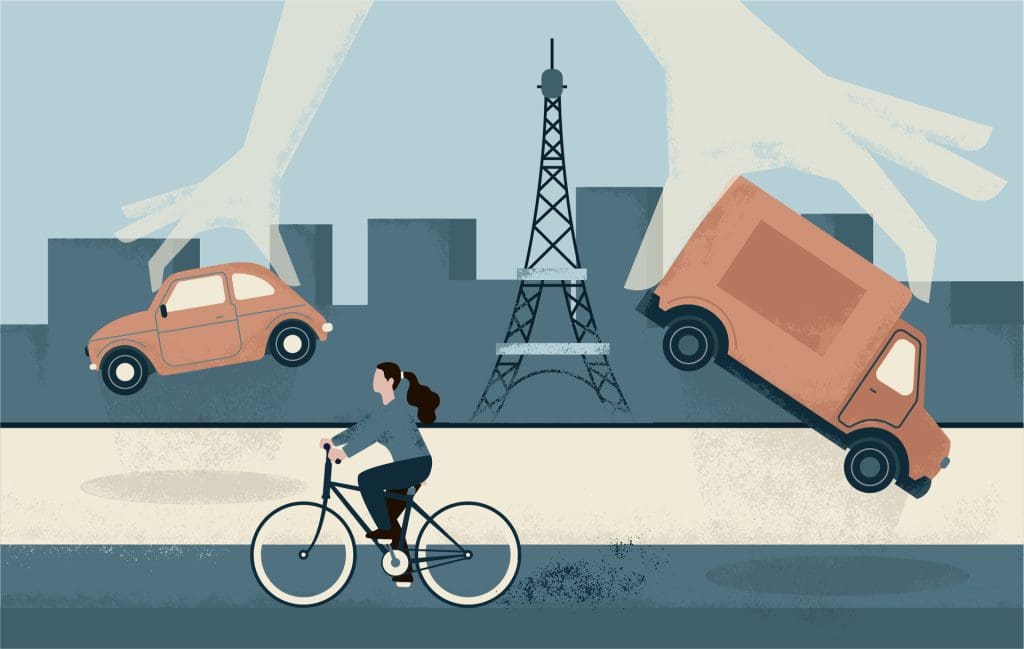
Hands lifting up cars from Paris, and a cyclist moving in

An average of 5 to 8 streets per neighbourhood will be transformed over the next three years as the “garden city” takes shape.

Share this post:

Renewables accounted for 93% of global power capacity growth in 2024
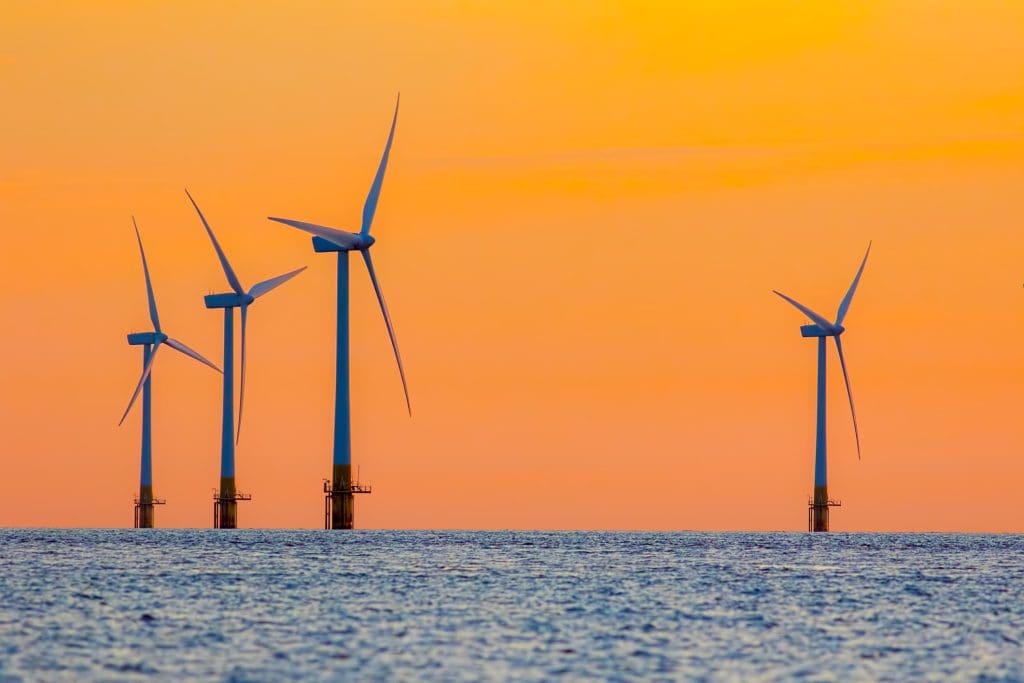
A photo of offshore wind turbines generating renewable electricity.

Renewable technologies now comprise 46% of world-wide power generating capacity, up from less than 30% in 2015.

Share this post:

Economic growth is increasingly decoupling from energy emissions, IEA says
A graphic of planet earth, where economic growth is no longer contingent on burning fossil fuels for energy.

Renewables and nuclear accounted for 40% of the world’s electricity generation mix for the first time in 2024.

Share this post:

New Zealand inches closer to 100% renewable electricity
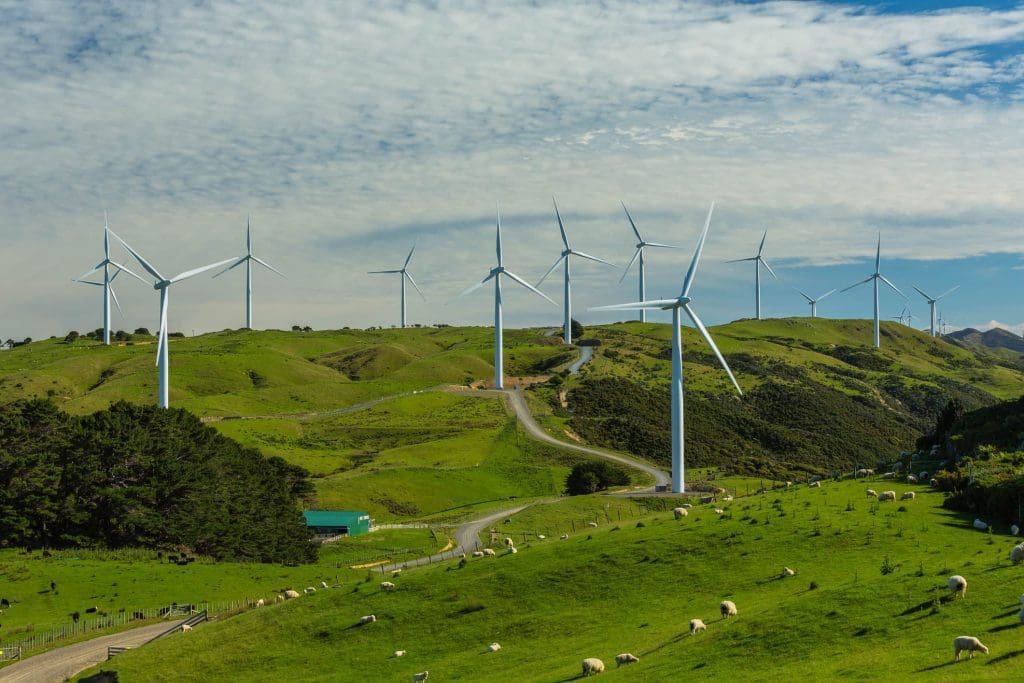
A photo of a wind farm in New Zealand, which is among the frontrunners in the shift to 100% renewable electricity.

The country has an aspirational goal of reaching 100% renewable power by 2030 and is seeing a resurgence in clean energy investment.

Share this post:

In numbers: How London’s low-emission zones have improved air quality
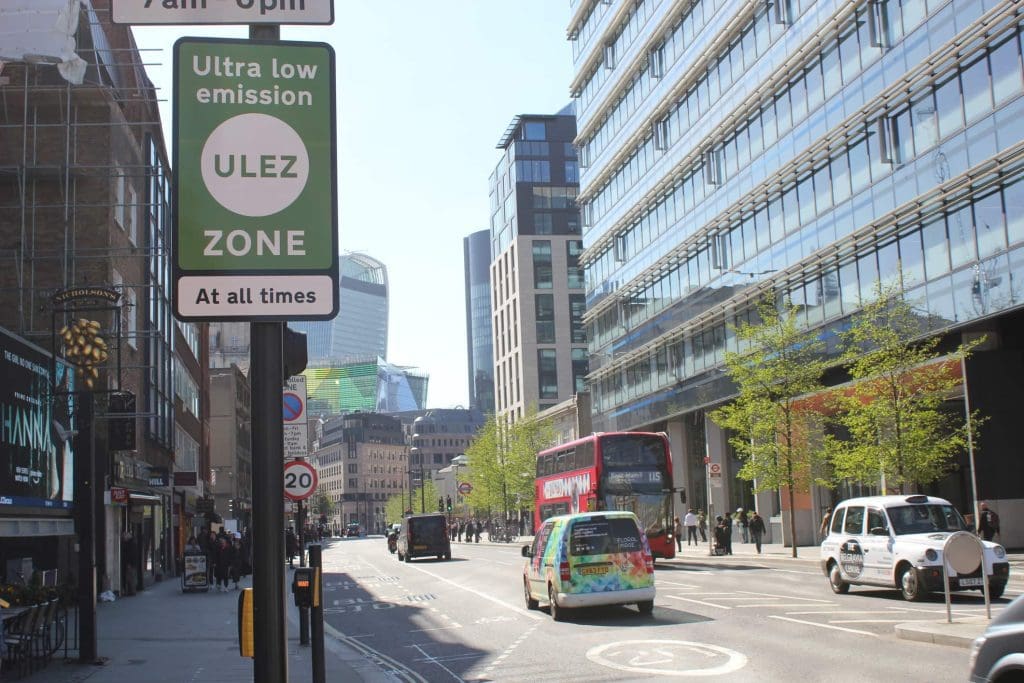
A sign showing this is an ultra low emission zone (ULEZ) in London.

Roadside concentrations of nitrogen dioxide were 27% lower across the city in 2024, relative to a scenario in which ULEZ didn’t exist.

Share this post:

The power of interconnections: Ireland’s electricity mix is cleaner than ever
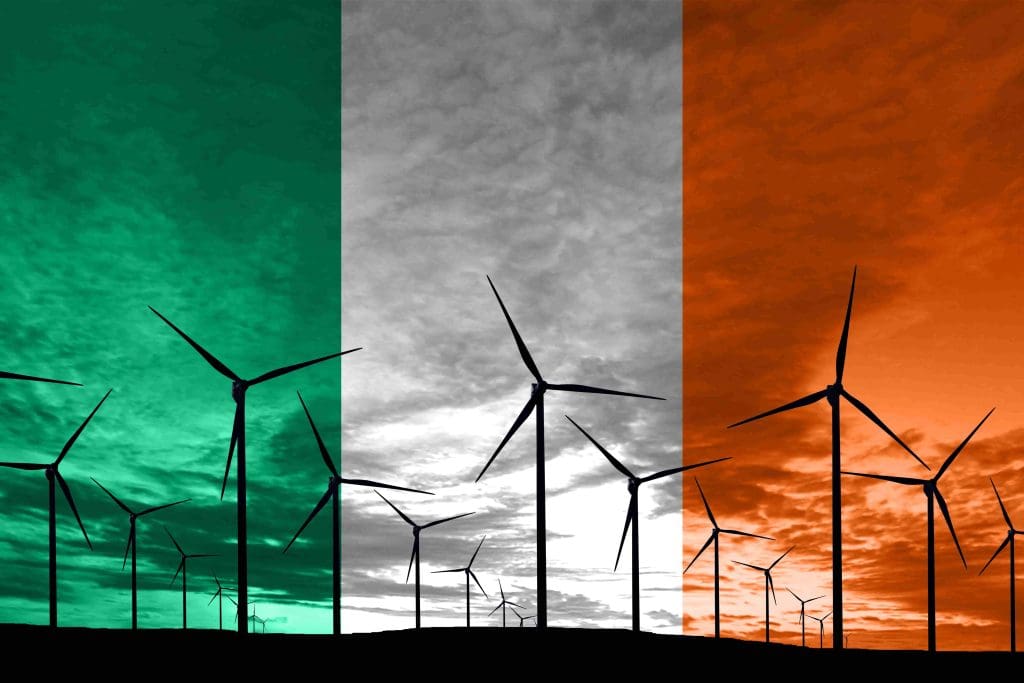
A photo of a wind farm with Ireland's flag overlaid.

The 190km Greenlink interconnector, commissioned in late January, “is creating a new normal for carbon emissions in Irish electricity.”

Share this post:

Inside the EU’s new rules targeting textile and food waste
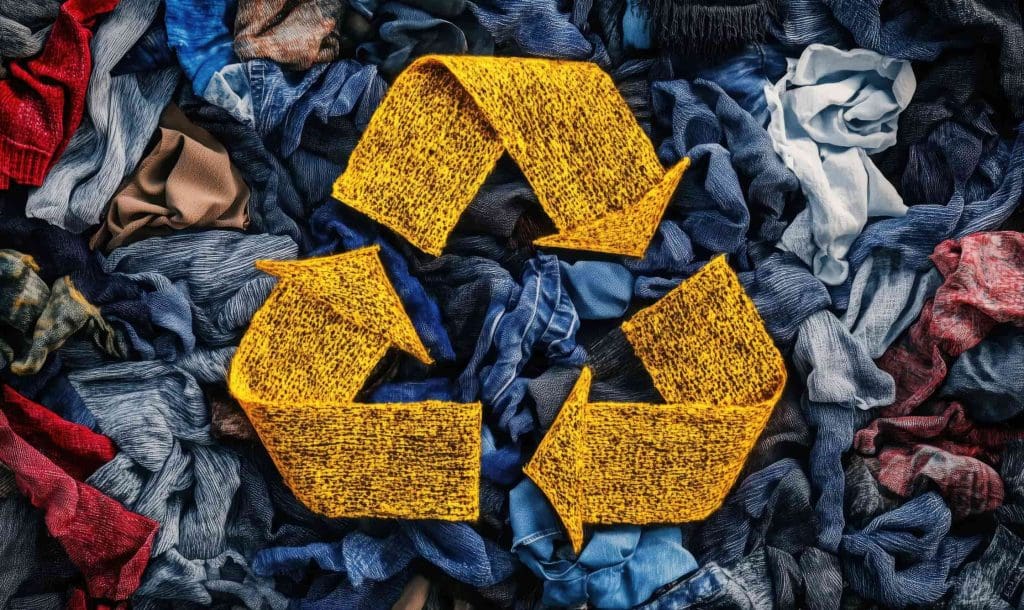
A graphic of textile waste with a recycling logo superimposed.

Around 59 million tonnes of food waste are generated in the EU each year, representing an estimated direct economic loss of €132 billion.

Share this post:

The EU’s new Clean Industrial Deal explained
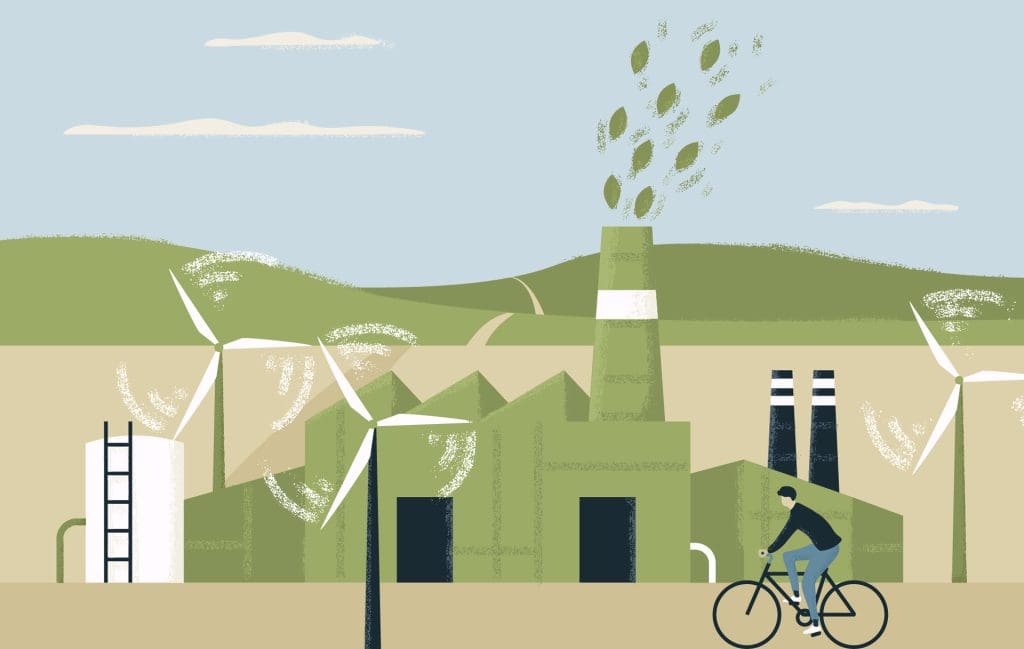
A graphic showing a decarbonised manufacturing facility.

Among other things, the Clean Industrial Deal says more than €100 billion euros should be invested in cleaner manufacturing processes.

Share this post:
← Previous
Next →

About

Editorial team

Advertise with us

Contact us

Privacy & Terms

Privacy policy

Terms of use

Cookies policy

Follow Us

Linkedin Youtube Instagram Rss