Skip to content



Economic growth is less and less dependent on burning fossil fuels for energy, according to a new report by the International Energy Agency (IEA).
Global energy-related carbon dioxide (CO2) emissions were up 0.8% in 2024 even as demand for energy surged due to heatwaves and the rapid build-out of data centres, among other factors, the IEA says. Meanwhile, the world economy expanded a much faster pace (3.2%).
In advanced economies, emissions fell 1.1% in 2024 to a level last seen 50 years ago, even though the cumulative GDP of these countries is now three times as large.
“The strong expansion of solar, wind, nuclear power and EVs is increasingly loosening the links between economic growth and emissions,” IEA executive director Fatih Birol said in a statement alongside the report.
Global deployments of solar PV, wind, nuclear, electric cars and heat pumps since 2019 now prevent 2.6 billion tonnes of CO2 emissions a year — the equivalent of 7% of global emissions.
Electrification and clean energy advance: Global electricity consumption surged 4.3% in 2024 — nearly double the annual average over the past decade. The sharp increase was driven by record global temperatures, which boosted demand for cooling in many countries, as well as by rising consumption from industry, the electrification of transport, and the growth of data centres and artificial intelligence, the IEA says.
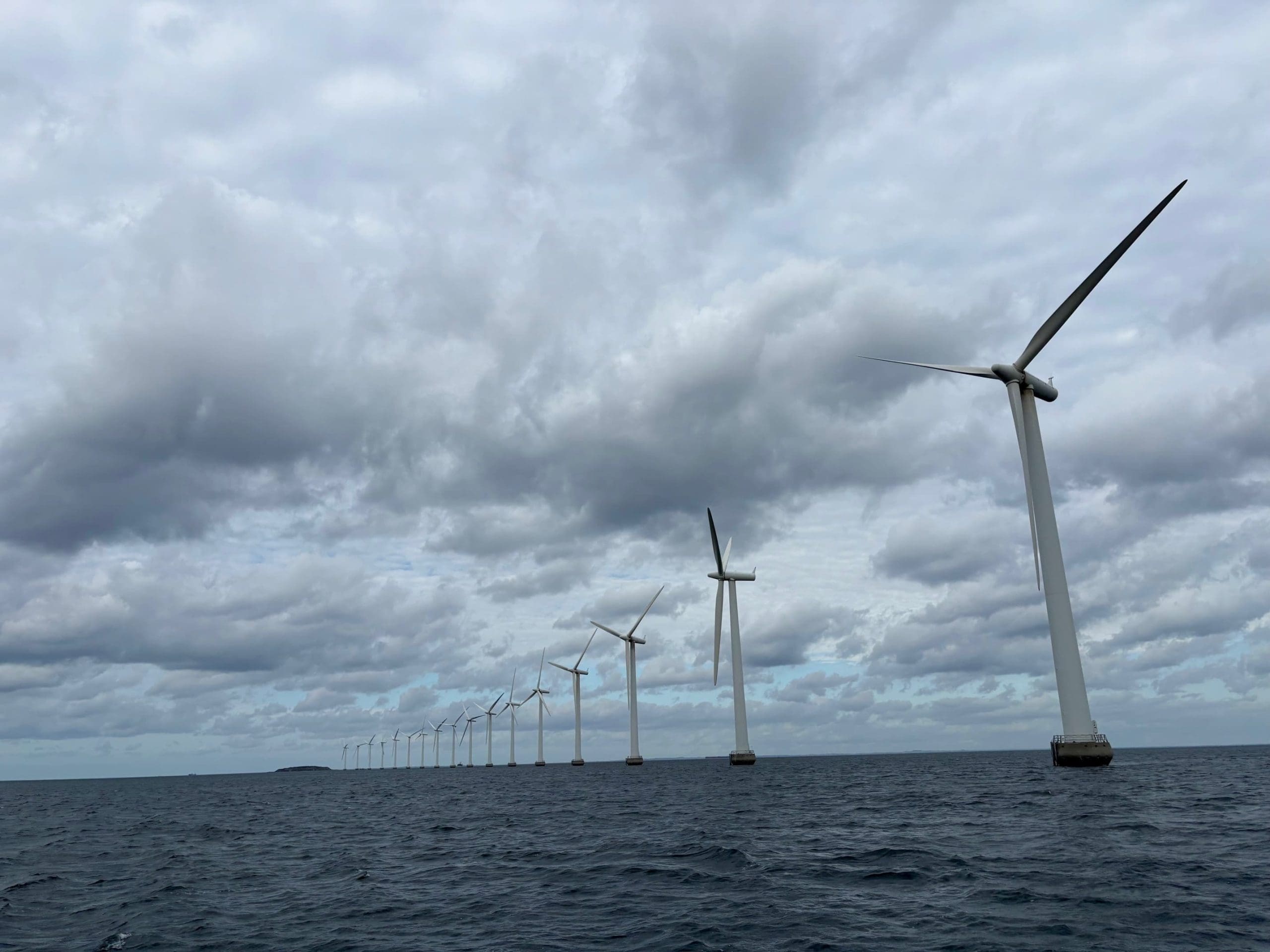
Renewables and nuclear accounted for the vast majority (80%) of the increase in global electricity output in 2024. The two technologies contributed 40% of total generation for the first time.
While gas consumption also grew, oil demand growth slowed to 0.8% in 2024. Oil’s share of total energy demand fell below 30% for the first time ever, 50 years after it peaked at 46%.
This is largely because sales of electric cars rose by over 25% last year, with electric models accounting for one in five cars sold globally.
Meanwhile, global coal demand rose 1% in 2024 — half the rate of increase seen the previous year. The rise was mostly attributable to intense heatwaves in China and India, which pushed up cooling needs.