Skip to content


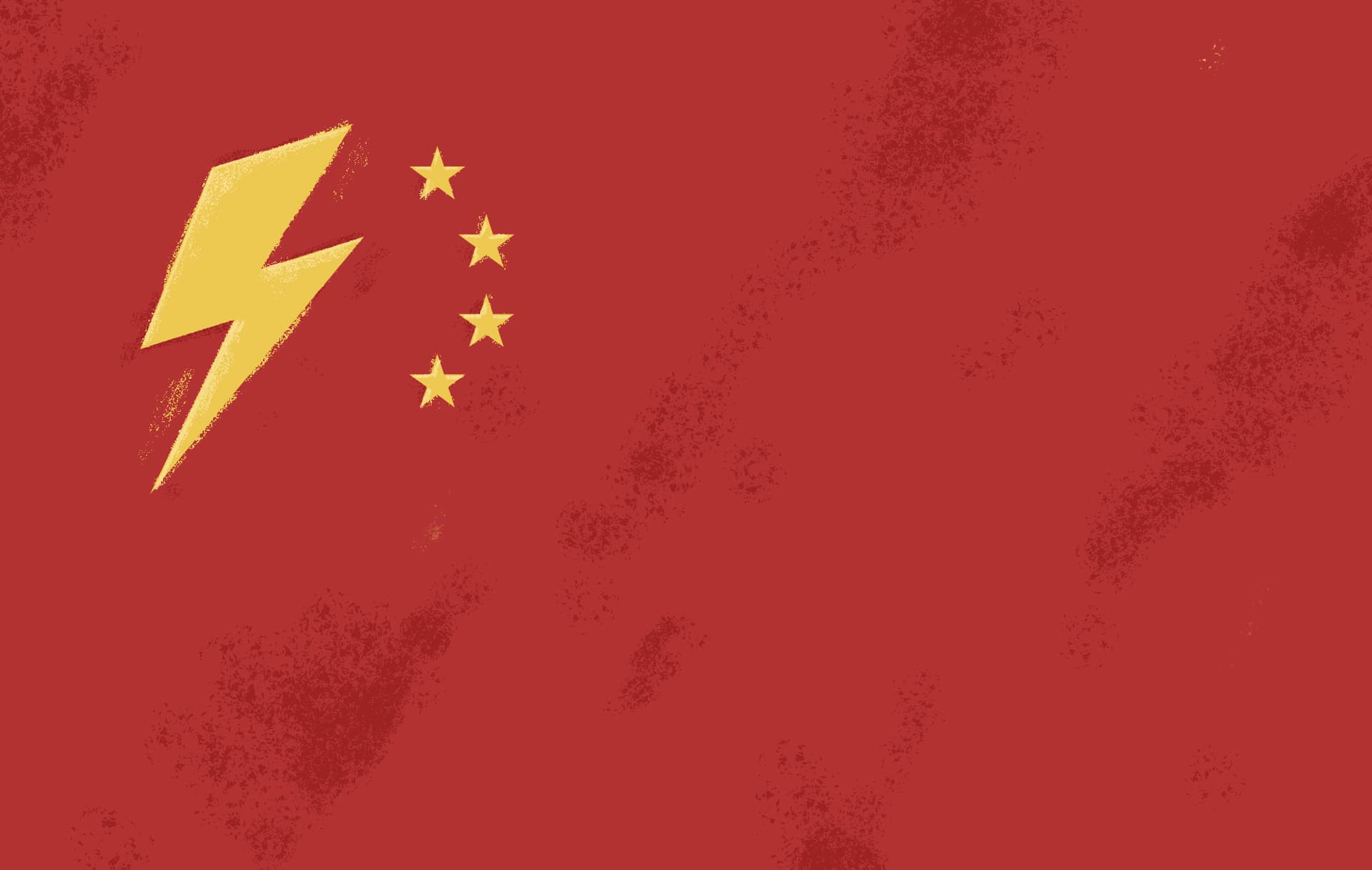
China has reached a number of notable milestones in its energy transition over the first few months of 2025.
Why it matters: China is the world’s biggest emitter of greenhouse gases, meaning the fight against climate change cannot be won without Beijing. And its role has been further heightened by the US’ environmental back-pedalling under president Donald Trump.
The latest: As of February 2025, wind and solar have overtaken thermal plants (coal, gas, oil, and bioenergy) in terms of Chinese generating capacity, according to the latest statistics from the National Energy Administration. The country now has 1,456GW of wind and solar capacity, and is installing around 1 million solar panels every single day, says Ember analyst Dave Jones.

As a result of the ongoing surge in clean energy installations, as well as mild winter weather, Chinese power generation from coal and gas plants was down 6% in January and February, compared to a year before, according to data collated by the Centre for Research on Energy and Clean Air (CREA). This came as hydropower output recovered, wind generation rose 10%, solar output surged 27%, and nuclear advanced 8%.
The share of clean technologies in the electricity generation mix rose to 38% in the first two months of 2025, from 33% a year prior, Ember data shows. China’s clean energy additions are “broadly meeting electricity demand growth, halting further rises” in thermal generation, Jones says.
Meanwhile, CREA said crude oil imports were down 5% in the first two months of the year, after declining through 2024. This suggests that oil consumption “may have peaked” amid the rapid shift to electric vehicles, the organisation said. Demand for foreign fossil gas was also weak due to a warmer winter and ample supplies.
Separately, the International Energy Agency said oil demand for fuels in China declined slightly in 2024 and has likely already peaked.
Late last year, CREA analyst Lauri Myllyvirta said China’s carbon emissions had flatlined and there’s now an opportunity for substantial declines over the next decade.
Read also: How China’s ‘two new’ policy aims to cut emissions and boost recycling
The nation’s carbon market is one of many tools that can be used to slash emissions. In late March, the government published plans to expand the carbon market into the steel, cement and aluminium smelting industries, Reuters reported.
This’ll bring the total volume of carbon dioxide covered by the trading scheme to 8 billion metric tonnes, or more than 60% of China’s total emissions.
Yes, but: While China is leading the way in the deployment of clean energy technologies and electrification, authorities continue to approve the construction of new coal-fired power stations. Analysts say this is neither necessary nor is it consistent with studies showing the world cannot afford any new investments in fossil fuels.