bg Skip to content
The Progress Play Book Logo
  • Climate & energy
  • Transport
  • Cities
  • Social development
  • Events
  • About
  • Climate & energy
  • Transport
  • Cities
  • Social development
  • Events
  • About
Subscribe (FREE)
The Progress Play Book Logo
  • Climate & energy
  • Transport
  • Cities
  • Social development
  • Events
  • About
  • Climate & energy
  • Transport
  • Cities
  • Social development
  • Events
  • About
Subscribe (FREE)
  • About
  • Climate & energy
  • Social development
  • Transport
  • Cities
  • Events
  • Climate & Energy: Global Solutions and Success Stories
  • Sustainable Transport: Global Solutions & Success Stories
  • Sustainable Cities: Global Solutions & Success Stories
  • Social Development: Global Solutions & Success Stories
  • Denmark: Climate Leadership & Sustainability Success Stories
  • China: Clean Energy Transition & Sustainability at Scale
  • Netherlands: Circular Economy & Sustainable Innovation
  • Site Guide

Author: Nick Hedley

Nick Hedley is a research analyst focused on clean energy and sustainable development. He is an analyst at Zero Carbon Analytics and has worked in the energy access space, developing financial models for solar PV projects in low-income communities in South Africa. Nick started his career as a financial journalist before moving into the climate and energy field. He has an economics honours degree from Rhodes University and qualifications in energy systems and climate science. He is based in Johannesburg, South Africa.

Asia is leading the way in super-sized floating solar
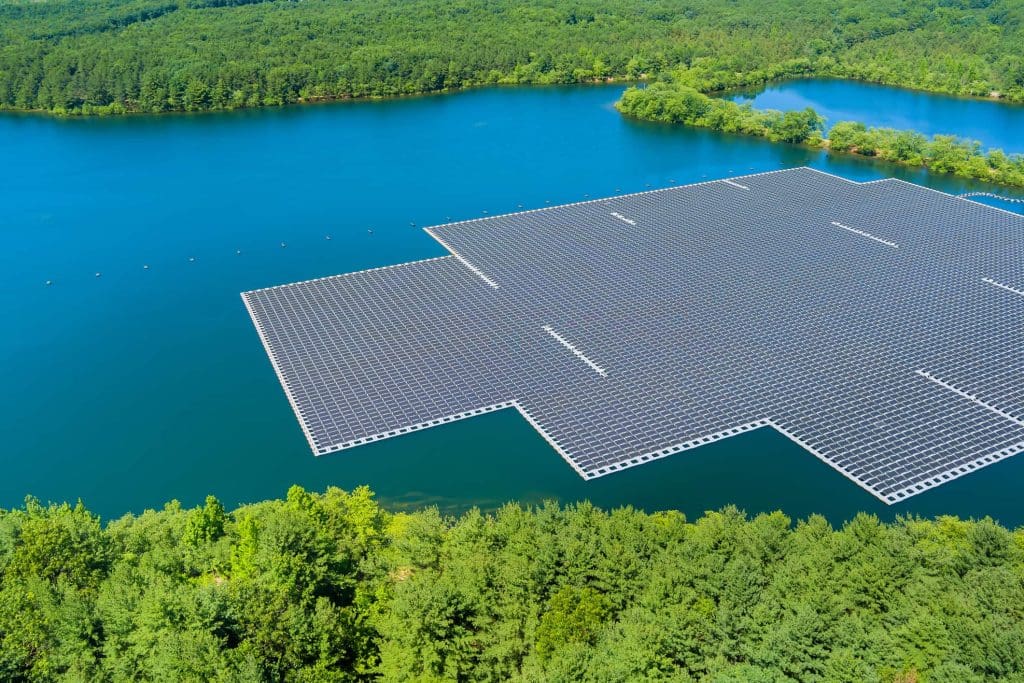
An aerial photo of solar panels floating on a lake.

An Indonesian developer is planning a 2.2GW project on a dam, which would be the world’s largest floating solar array.

Share this post:

How the UK plans to clean up its power system by 2030
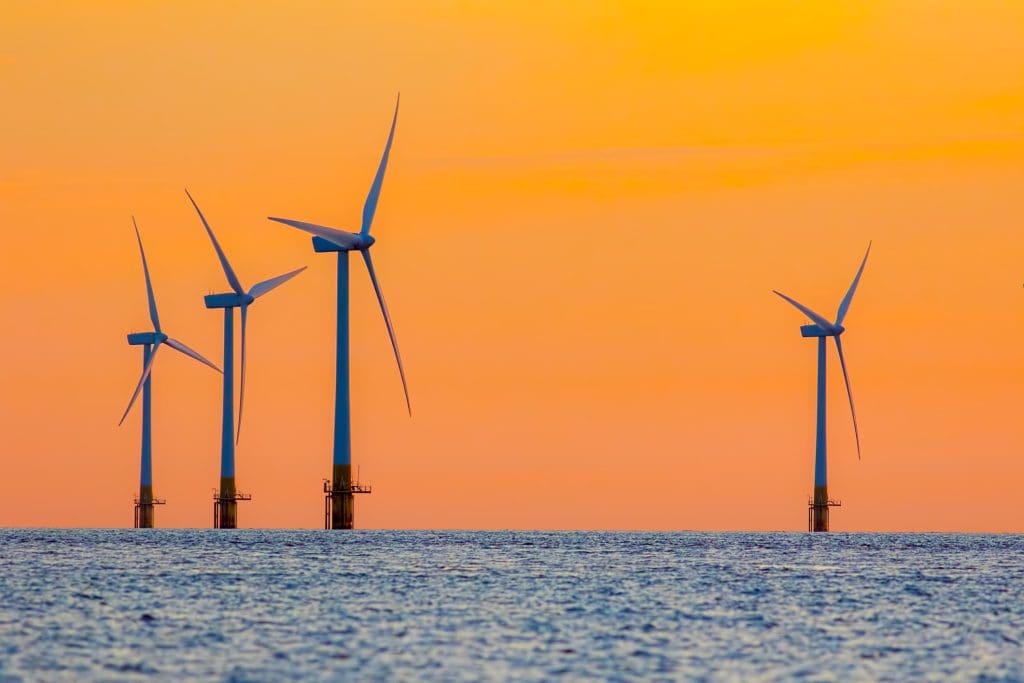
A photo of offshore wind turbines generating renewable electricity.

The country shut its last coal-fired power plant at the end of September and aims to largely eliminate gas from its electricity mix by the decade’s end.

Share this post:

These are the most effective policies for boosting EV adoption
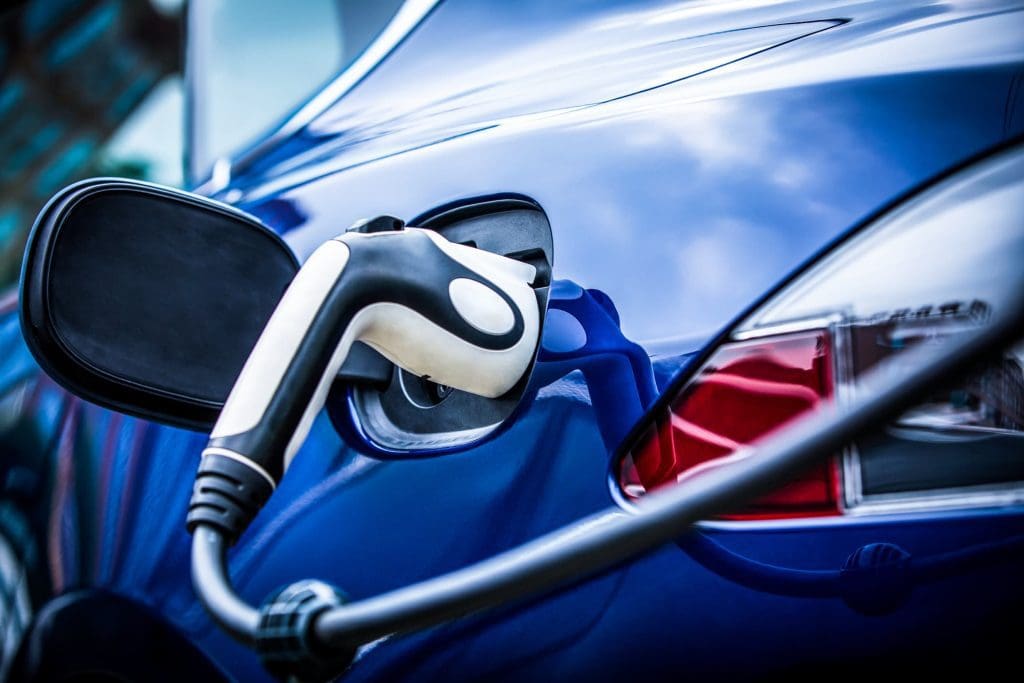
A photo of an electric vehicle charging.

Now that EVs have gone mainstream in several markets, we have a clearer idea of which policies deliver results — and which don’t.

Share this post:

Small patches of urban wildflowers boost bee populations and biodiversity, study shows

A photo of wildflowers, which help boost pollinator populations and biodiversity.

A cultivated small urban meadow has “a similar value for pollinators as larger areas of natural meadow.”

Share this post:

Chile’s renewable energy surge pushes coal to new lows
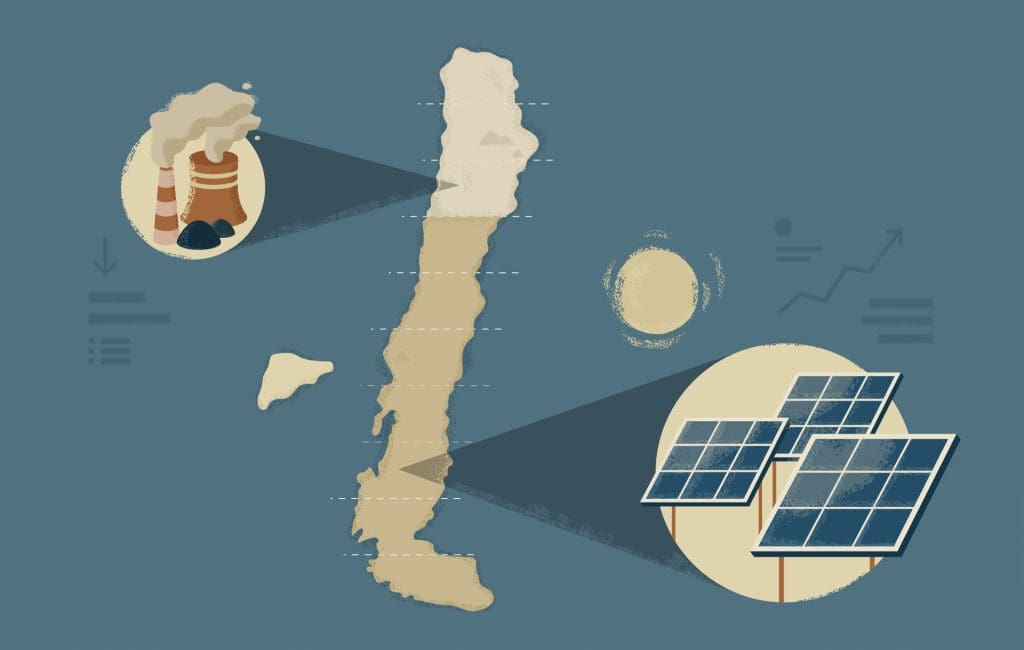
A map of Chile showing that solar and other renewables now make up most of its electricity supply.

Chile is on track to get to over 90% renewable power by 2030, according to modelling by the International Energy Agency.

Share this post:

Decarbonising manufacturing: Most processes are no longer ‘hard to abate’
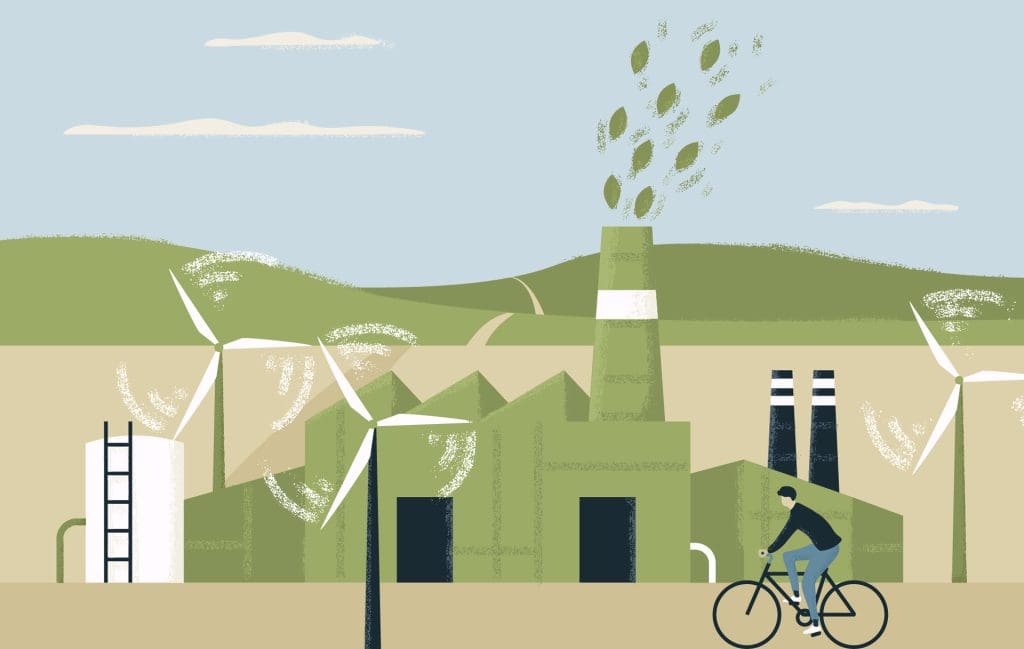
A graphic showing a decarbonised manufacturing facility.

Heavy industry is responsible for 22% of global emissions of heat-trapping gases, meaning alternative production methods are critical.

Share this post:

Wind takes an increasingly large slice of Sweden’s fossil-free electricity mix
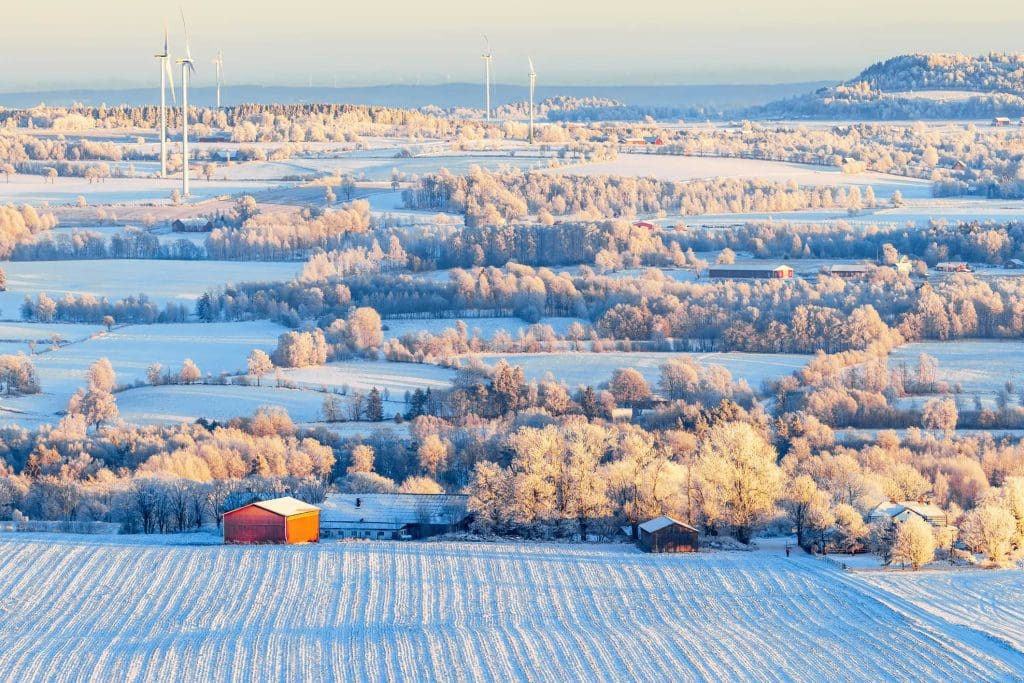
A photo of wind turbines in Sweden.

Home to 11 million people, Sweden has been a net exporter of electricity since 2011, thanks in part to the rising contribution from wind.

Share this post:

Low-carbon renewables overtake fossil fuels in the UK — for good
A photo of a community owned wind turbine in Bristol, England.

Wind, solar and hydropower are set to generate a combined 37% of the UK’s electricity in 2024, compared to 35% from fossil fuels.

Share this post:

Microsoft says its new data centres won’t need water

A photo of a Microsoft data centre in the Netherlands. Data centres use enormous volumes of water.

All the company’s new data centre designs will employ this cooling technology, and the first sites using it will come online in late 2027.

Share this post:

Türkiye’s solar surge largely offsets rapid growth in peak demand
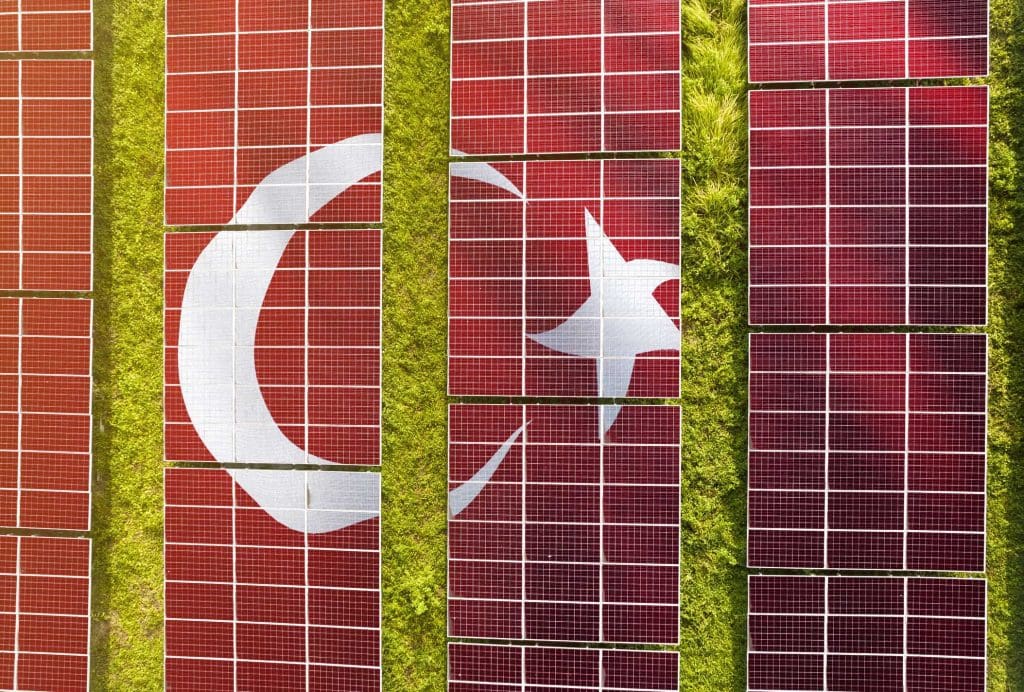
Solar farm superimposed with flag of Turkey.

The clean energy source now meets nearly a fifth (18%) of the country’s peak electricity demand, up from just 2.5% in 2017.

Share this post:
← Previous
Next →

About

Editorial team

Advertise with us

Contact us

Privacy & Terms

Privacy policy

Terms of use

Cookies policy

Follow Us

Linkedin Youtube Instagram Rss