bg Skip to content
The Progress Play Book Logo
  • Climate & energy
  • Transport
  • Cities
  • Social development
  • Events
  • About
  • Climate & energy
  • Transport
  • Cities
  • Social development
  • Events
  • About
Subscribe (FREE)
The Progress Play Book Logo
  • Climate & energy
  • Transport
  • Cities
  • Social development
  • Events
  • About
  • Climate & energy
  • Transport
  • Cities
  • Social development
  • Events
  • About
Subscribe (FREE)
  • About
  • Climate & energy
  • Social development
  • Transport
  • Cities
  • Events
  • Climate & Energy: Global Solutions and Success Stories
  • Sustainable Transport: Global Solutions & Success Stories
  • Sustainable Cities: Global Solutions & Success Stories
  • Social Development: Global Solutions & Success Stories
  • Denmark: Climate Leadership & Sustainability Success Stories
  • China: Clean Energy Transition & Sustainability at Scale
  • Netherlands: Circular Economy & Sustainable Innovation
  • Site Guide

Author: Nick Hedley

Nick Hedley is a research analyst focused on clean energy and sustainable development. He is an analyst at Zero Carbon Analytics and has worked in the energy access space, developing financial models for solar PV projects in low-income communities in South Africa. Nick started his career as a financial journalist before moving into the climate and energy field. He has an economics honours degree from Rhodes University and qualifications in energy systems and climate science. He is based in Johannesburg, South Africa.

How this Slovakian city has slashed food waste

A photo of wasted food in a bin.

95% of the city’s single-family homes self-compost, and the amount of mixed waste they produce has fallen 36% in just eight years.

Share this post:

Europe’s emissions fall sharply as renewables displace fossil fuels
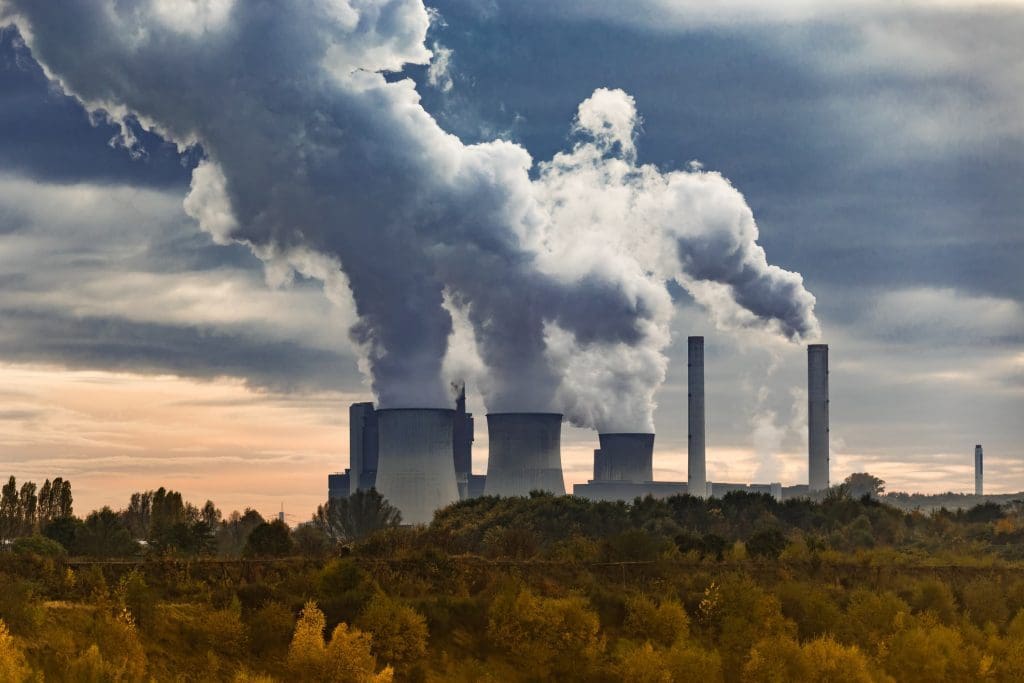
A coal-fired power plant spewing pollution into the air.

This means the bloc’s emissions have declined 37% since 1990, while its economy has grown 68% over the same period.

Share this post:

UK system operator says clean power by 2030 is doable and could reduce bills
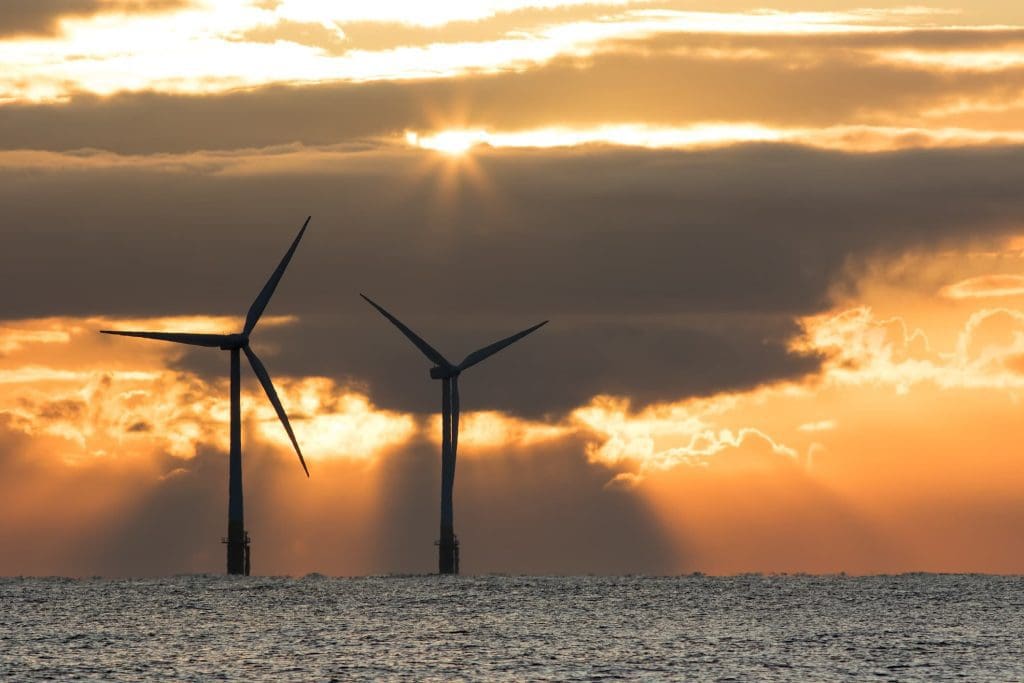
Photo of offshore wind turbines in the UK producing renewable, clean power.

NESO’s analysis shows that clean technologies will be able to produce at least as much power as Great Britain consumes in total in 2030. 

Share this post:

China’s emissions have flatlined amid blistering renewables rollout

A Chinese dragon between wind turbines. China is rapidly moving towards renewable energy and shifting from coal.

The rapid growth in clean energy generation has been sufficient to offset a surge in power demand caused by late-summer heatwaves.

Share this post:

In numbers: India’s solar energy revolution is now in full swing

A photo of a solar energy professional in India.

The technology accounted for 81% of all new power capacity added in the third quarter of 2024.

Share this post:

Sheep on solar farms may produce better quality wool, study suggests
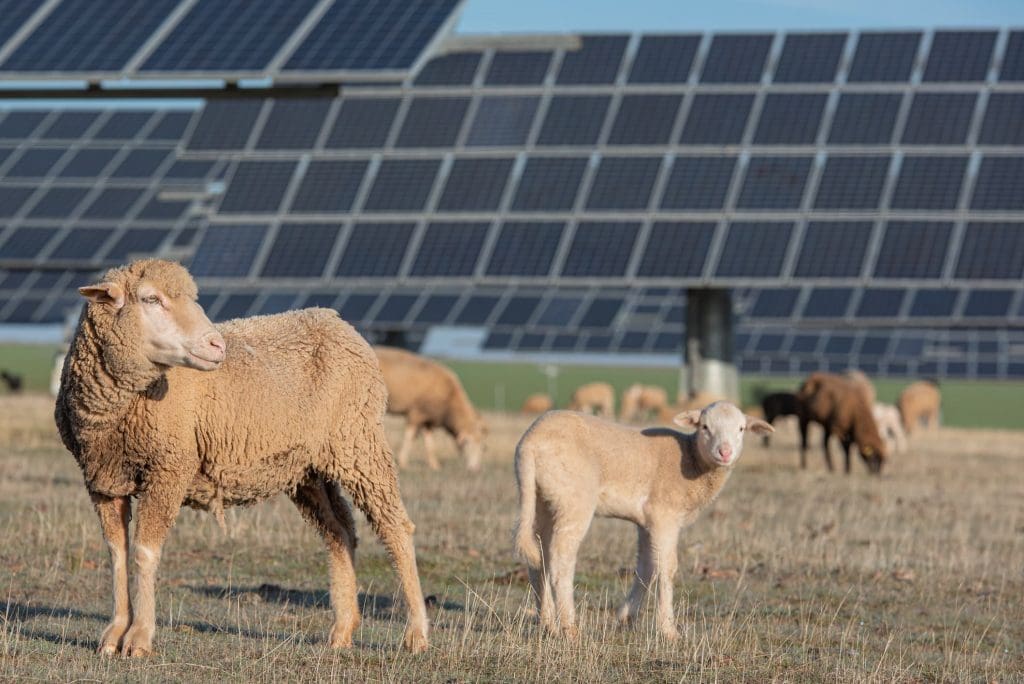
A photo of sheep grazing among solar panels.

“Some parameters even indicate an improvement in wool quality, although conclusive benefits require further long-term measurement.”

Share this post:

Vuka Group’s commitment to transformative green projects | Partner content

An aerial view of Cape Town, South Africa.

Vuka’s Green Economy Hub is an online resource focused on ongoing initiatives, active investors, and sustainability projects in Africa.

Share this post:

The EU got 52% of its electricity from renewables in second quarter of 2024
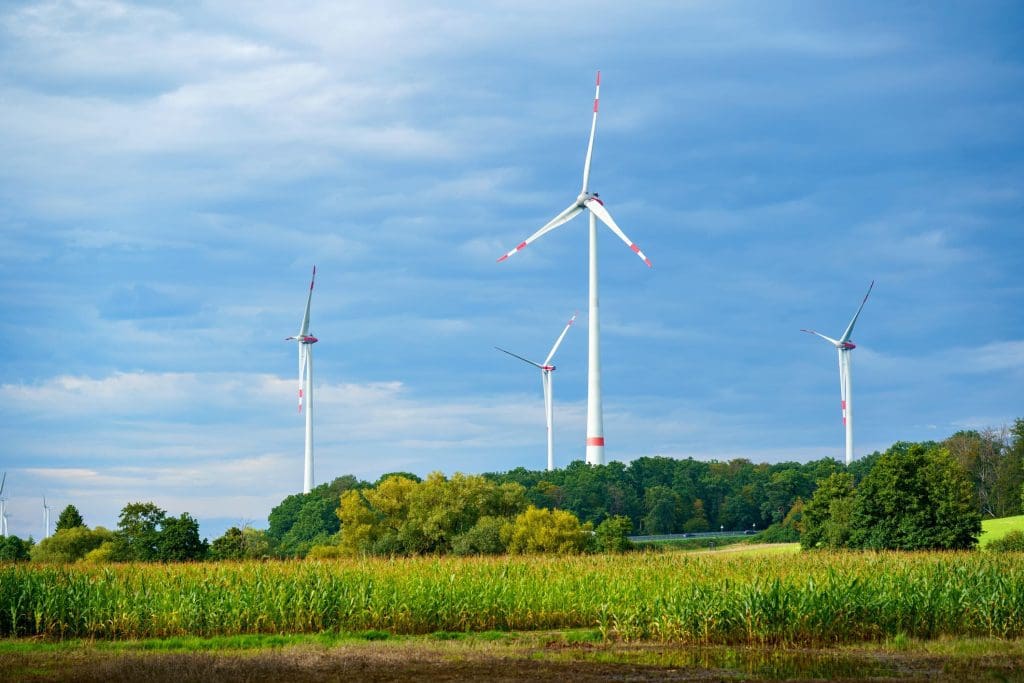
A wind farm in Germany, which is quickly transitioning to renewable power.

Nuclear generation was up slightly and comprised 24% of the mix, meaning clean sources made up 76% of the bloc’s total electrical output.

Share this post:

Urban green spaces reduce heat-related deaths and boost wellbeing, study finds
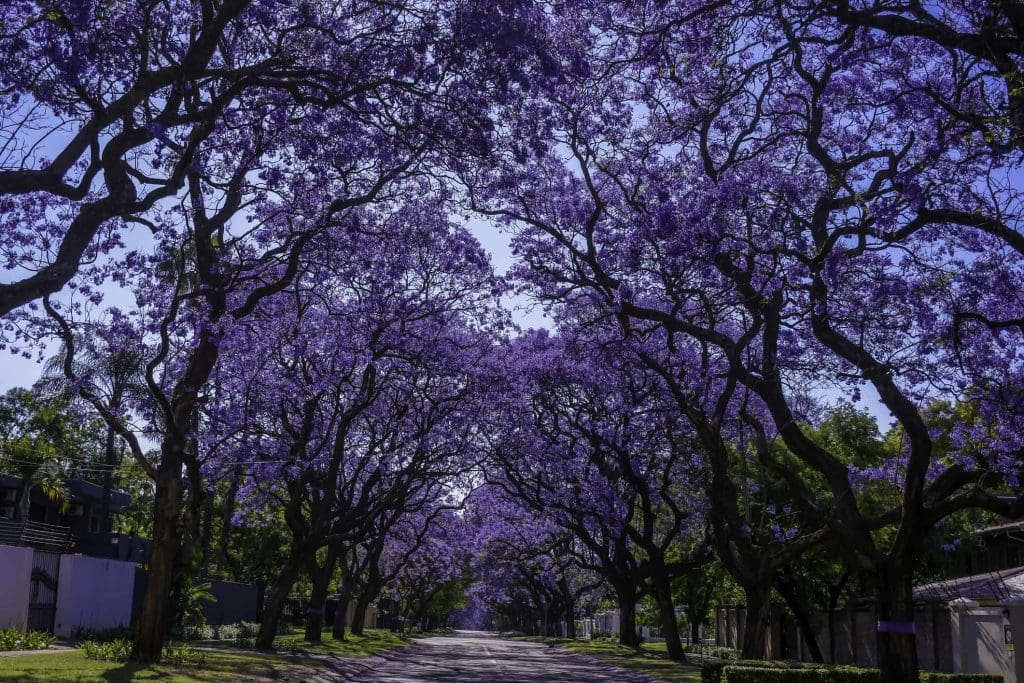
A photo of jacaranda trees in Johannesburg. The trees keep the city cool.

People living in cities are particularly vulnerable during heatwaves due to the urban heat island effect.

Share this post:

Octopus Energy now lets homes donate their excess solar to those who need it

A household in Western Australia redistributing its excess rooftop solar

Instead of selling excess energy into the grid, customers can choose to gift it instead.

Share this post:
← Previous
Next →

About

Editorial team

Advertise with us

Contact us

Privacy & Terms

Privacy policy

Terms of use

Cookies policy

Follow Us

Linkedin Youtube Instagram Rss