bg Skip to content
The Progress Play Book Logo
  • Climate & energy
  • Transport
  • Cities
  • Social development
  • Events
  • About
  • Climate & energy
  • Transport
  • Cities
  • Social development
  • Events
  • About
Subscribe (FREE)
The Progress Play Book Logo
  • Climate & energy
  • Transport
  • Cities
  • Social development
  • Events
  • About
  • Climate & energy
  • Transport
  • Cities
  • Social development
  • Events
  • About
Subscribe (FREE)
  • About
  • Climate & energy
  • Social development
  • Transport
  • Cities
  • Events
  • Climate & Energy: Global Solutions and Success Stories
  • Sustainable Transport: Global Solutions & Success Stories
  • Sustainable Cities: Global Solutions & Success Stories
  • Social Development: Global Solutions & Success Stories
  • Denmark: Climate Leadership & Sustainability Success Stories
  • China: Clean Energy Transition & Sustainability at Scale
  • Netherlands: Circular Economy & Sustainable Innovation
  • Site Guide

Author: Nick Hedley

Nick Hedley is a research analyst focused on clean energy and sustainable development. He is an analyst at Zero Carbon Analytics and has worked in the energy access space, developing financial models for solar PV projects in low-income communities in South Africa. Nick started his career as a financial journalist before moving into the climate and energy field. He has an economics honours degree from Rhodes University and qualifications in energy systems and climate science. He is based in Johannesburg, South Africa.

Here’s how the world’s biggest heat pump will work
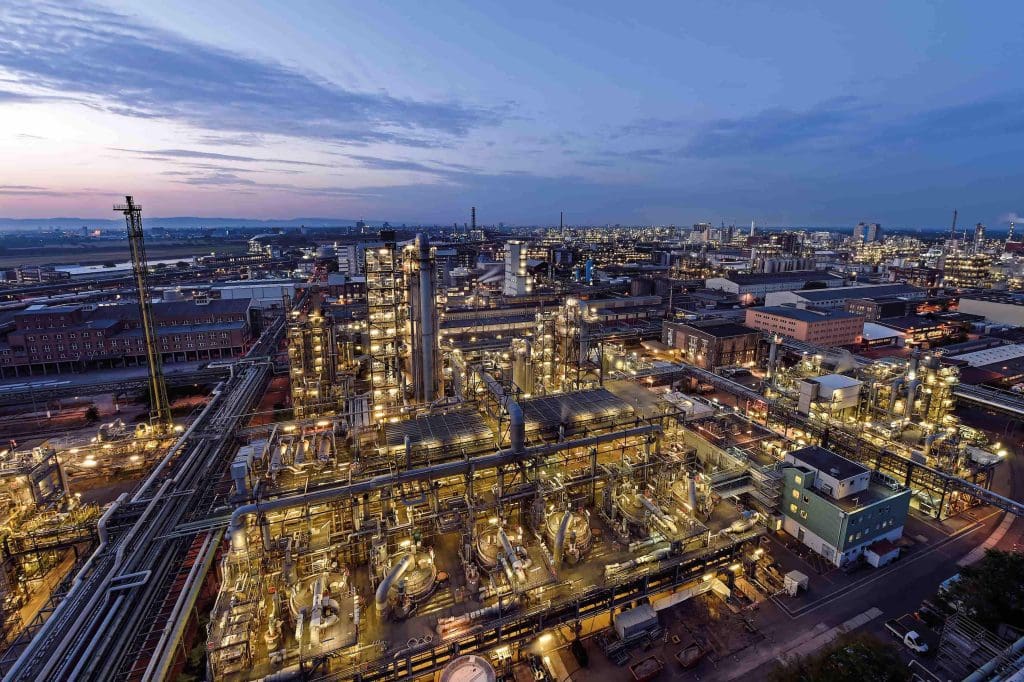
A photo of BASF's Ludwigshafen site, which will soon be home to the world's largest industrial heat pump.

Powered by renewables, the heat pump will produce low-emissions steam for chemical manufacturing.

Share this post:

How these countries are unlocking hidden grid capacity to speed up the energy transition
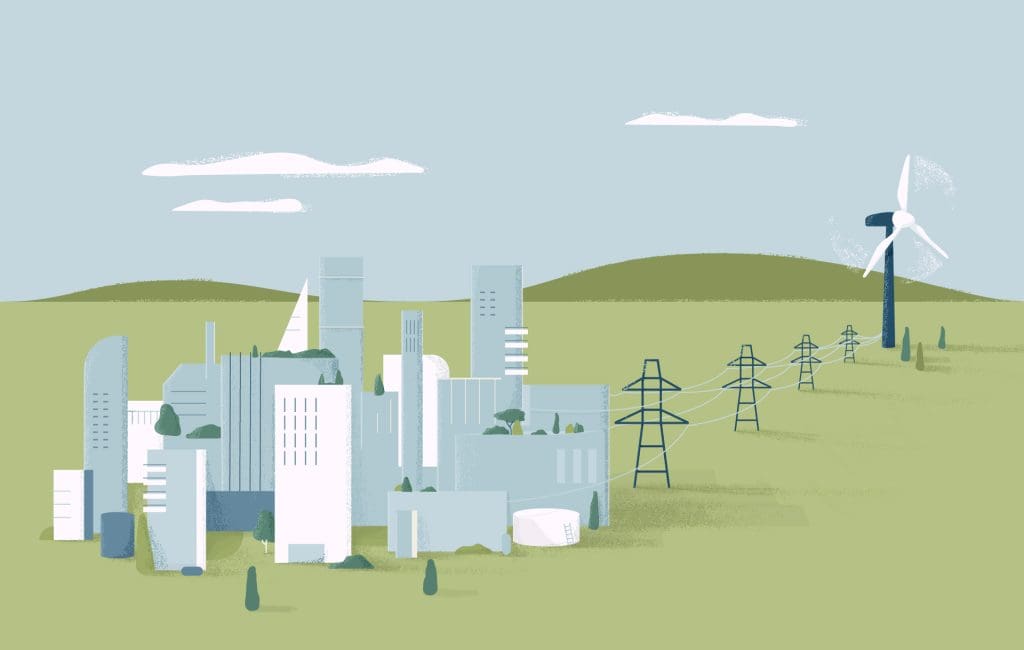
A graphic showing a wind farm and power lines transporting electricity to a city.

If the world is to meet key climate targets — like tripling renewable energy capacity by 2030 — grid-enhancing technologies will likely play an important role.

Share this post:

Cape Town’s iconic Bree Street trials car-free Sundays
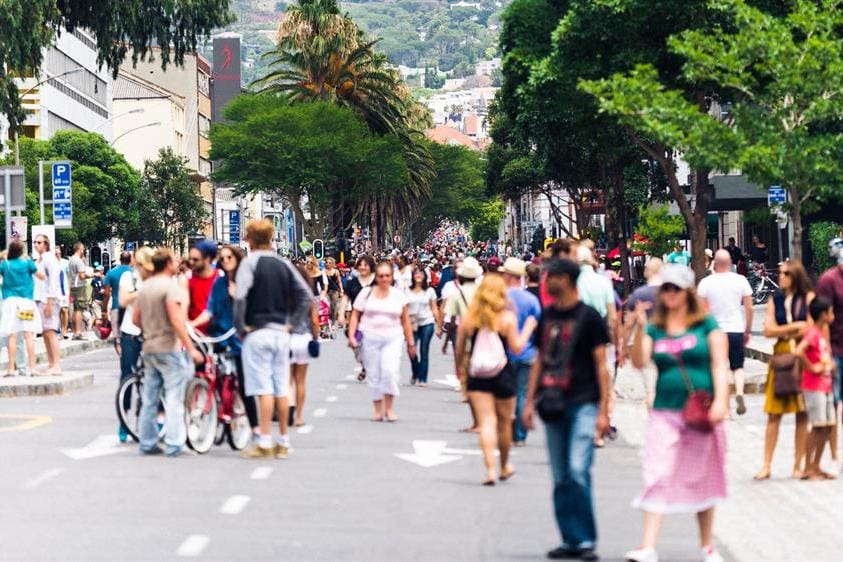
A photo of Bree Street, Cape Town, without any cars and full of pedestrians.

The road, which was recently ranked the 11th “coolest” street in the world by Time Out magazine, will be closed off to cars every Sunday until March 2025.

Share this post:

New York City’s new solar-powered school buses will support the grid too

A photo of electric school buses fitted with rooftop solar panels.

Four electric buses fitted with rooftop solar panels are already operational under a joint venture between Con Edison and First Student.

Share this post:

A how-to guide for climate tech start-ups
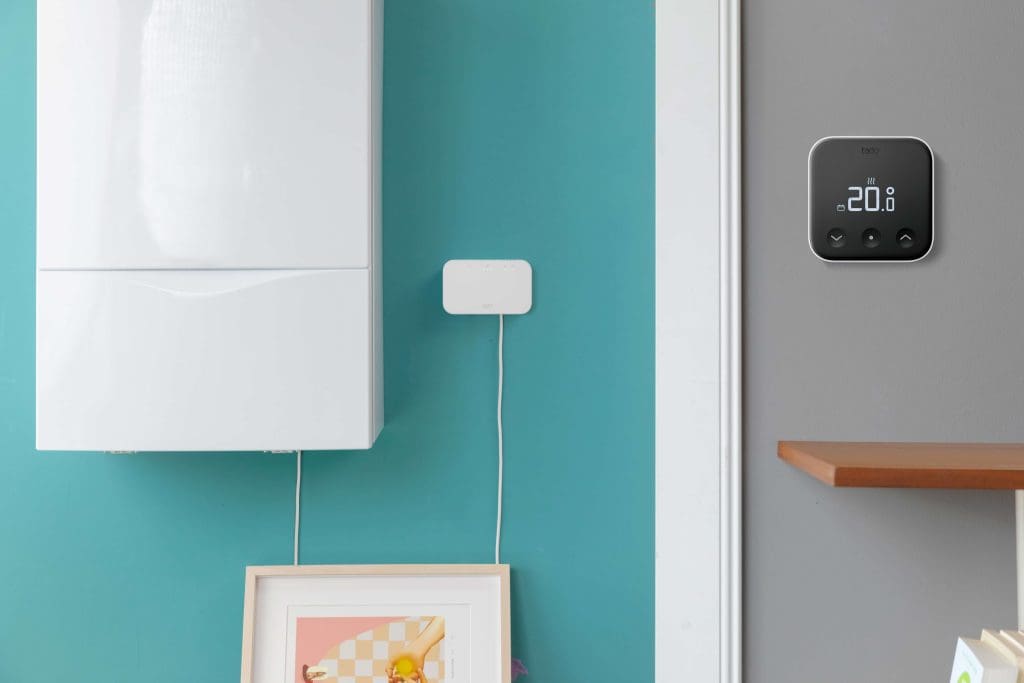
A photo of a smart thermostat developed by climate tech company Tado.

The playbook is based on an analysis of what worked for thousands of start-ups in the sector.

Share this post:

These countries are leading the way to 100% renewable electricity
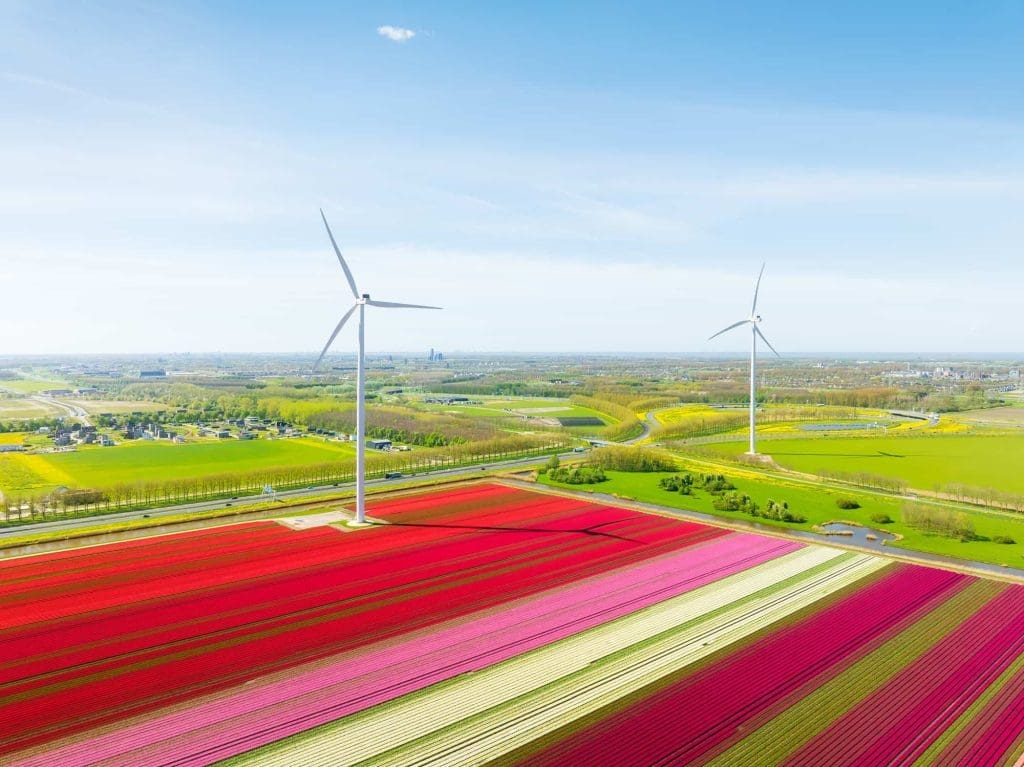
Wind turbines next to a tulip farm in the Netherlands, which is among the leaders in the transition to 100% renewable electricity.

At least 14 countries are on track to get more than half of their electricity from wind and solar by 2030.

Share this post:

World nearly on track to triple renewables by 2030 — IEA
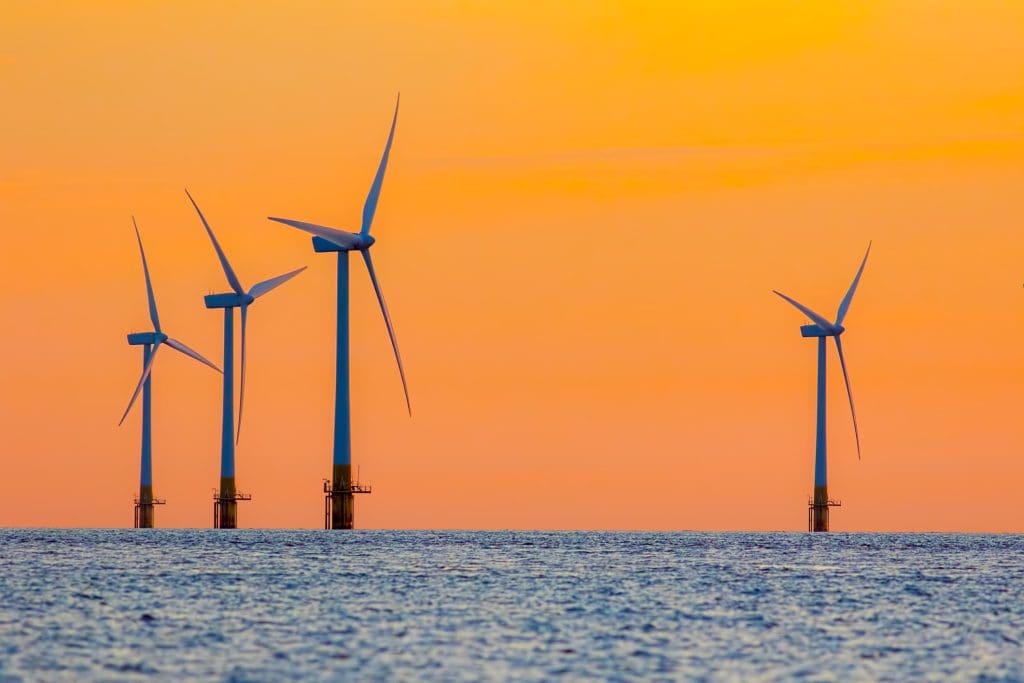
A photo of offshore wind turbines generating renewable electricity.

Based on these trends, renewables will generate close to half of global electricity by 2030, up from slightly over 30% today.

Share this post:

Global energy emissions to peak this year, says DNV
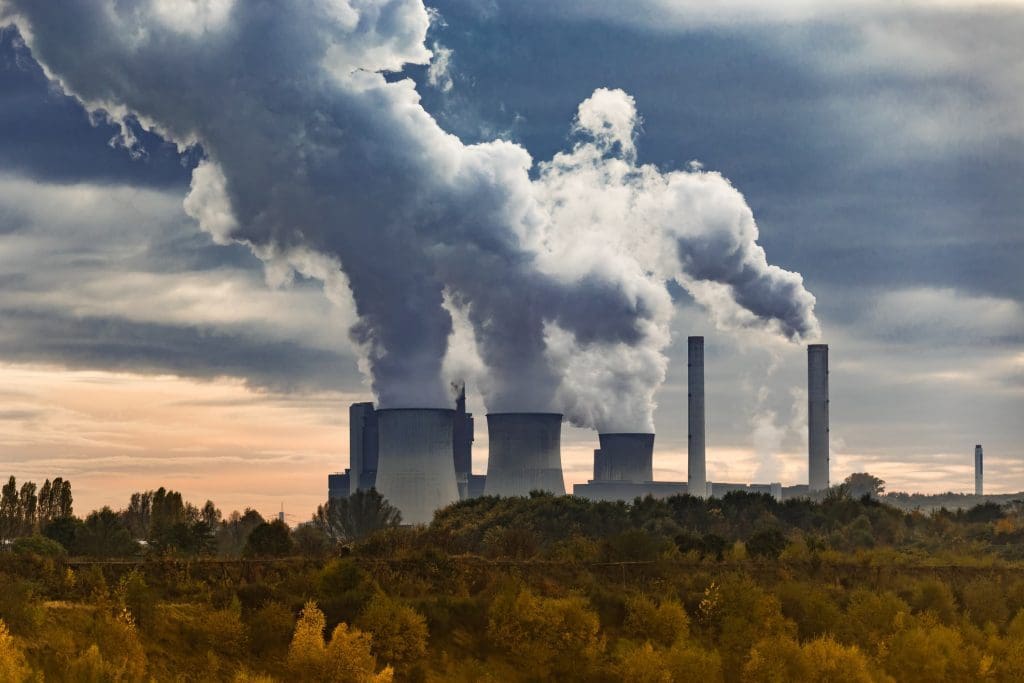
A coal-fired power plant spewing pollution into the air.

However, energy-related emissions will likely fall just 5% by 2030, compared with 2023 levels.

Share this post:

UK grid operator to expand demand flexibility programme to accelerate decarbonisation

An aerial photo of London, the UK, at night, with lots of power being used.

Homes and businesses will be paid to cut their electricity consumption when the system is tight all year round — rather than during winter alone.

Share this post:

Portugal’s gas consumption slides as renewables dominate power generation

A Portuguese tile pattern that includes wind turbines, which deliver clean energy.

Portugal’s total gas consumption was down 23% in the first nine months of 2024.

Share this post:
← Previous
Next →

About

Editorial team

Advertise with us

Contact us

Privacy & Terms

Privacy policy

Terms of use

Cookies policy

Follow Us

Linkedin Youtube Instagram Rss