Skip to content



Renewables accounted for 58.4% of electricity production in Germany in the first three months of 2024, according to the federal statistical office. That’s up from 48.5% a year before.
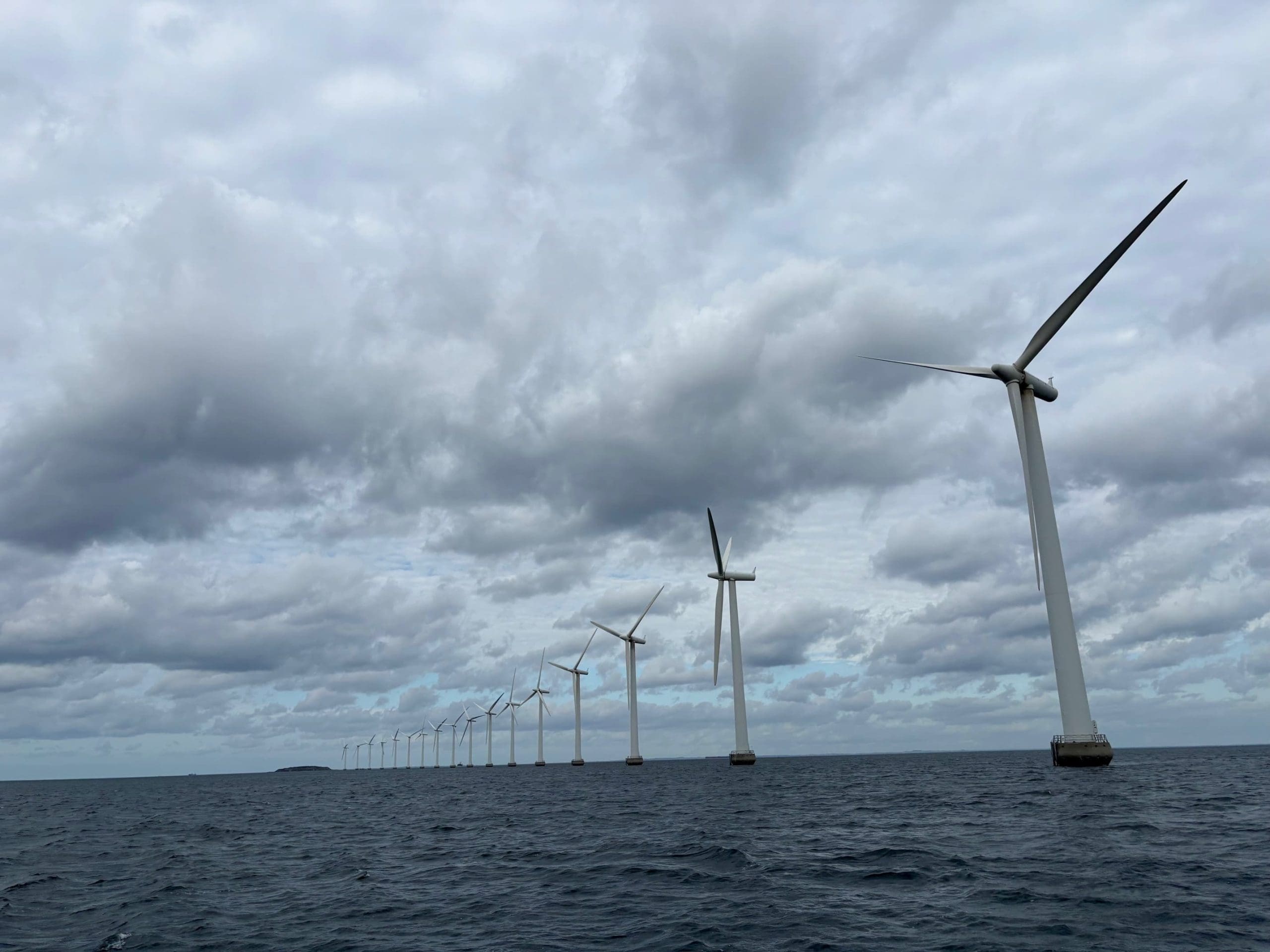
Wind cemented its position as Germany’s main source of electricity, increasing its share of the mix from 31.8% to 38.5%. Solar’s share rose 1.5 percentage points to 6.6%.
Electrical output from all renewable technologies was up 11.6% year on year, while generation from coal fell by 28.2% and gas output edged 1.9% lower.
Germany shut its last nuclear power plants in April 2023, meaning that technology’s share of the mix dropped to zero, from 4.4% in the first quarter of last year.
The slump in generation from conventional sources wasn’t fully matched by the growth in renewables, meaning Germany increased its electricity imports by 38.5% year on year.
In the full 2023 calendar year, renewables covered 52% of the country’s total electricity needs. The world’s third-largest economy aims to get to 80% renewable power by 2030.
It also plans to decarbonise its industries, partly through a “climate protection contracts” scheme, which seeks to help companies in sectors like steel, cement and glass cover additional expenses incurred in using cleaner technologies.