Skip to content


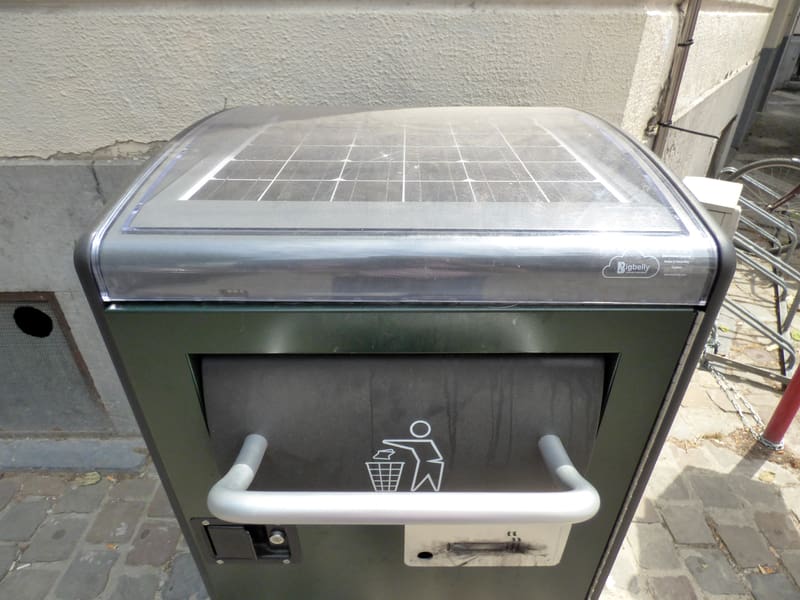
The Belgian town of Zoersel, home to around 22,000 people, has substantially reduced waste levels in recent years and pledged to become the country’s first zero-waste certified municipality by 2027.
Located in Flanders, near Antwerp, Zoersel reduced the amount of residual waste per person by 20% between 2020 and 2022. At 81 kg of residual waste per person, it’s now well below the Flemish average of 128 kg.
It’s gains are partly thanks to a pioneering new “pay-as-you-throw” scheme, whereby household bins are equipped with monitoring chips, according to Zero Waste Europe, a Brussels-based organisation that promotes best practices.
Zoersel is now looking to build on that momentum, having embarked on the Zero Waste Cities Certification programme, which provides technical assistance to municipalities.
The town will work with the Fair Resource Foundation to reduce residual waste to a maximum of 70 kg per person over the next few years, and to ensure that no more than 10% of its waste ends up in incineration or landfill facilities, with 90% being recyclable or compostable.
“The example of Zoersel is a great showcase of how even a well-performing municipality can continue to seek improvements and not feel content,” says Zero Waste Europe.
Mayor Liesbeth Verstreken says community involvement is critical.
“This is a collective effort. We need our residents to be part of the solution, actively participating in decisions that impact our shared environment,” Verstreken says. “We’ve long applied the ‘polluter pays’ principle to promote accountability, but now we want to go further by providing tangible alternatives to help our residents reduce their waste.”
Elsewhere in Belgium, the Jette municipality has banned all single-use items from the area, according to Zero Waste Europe.