Skip to content


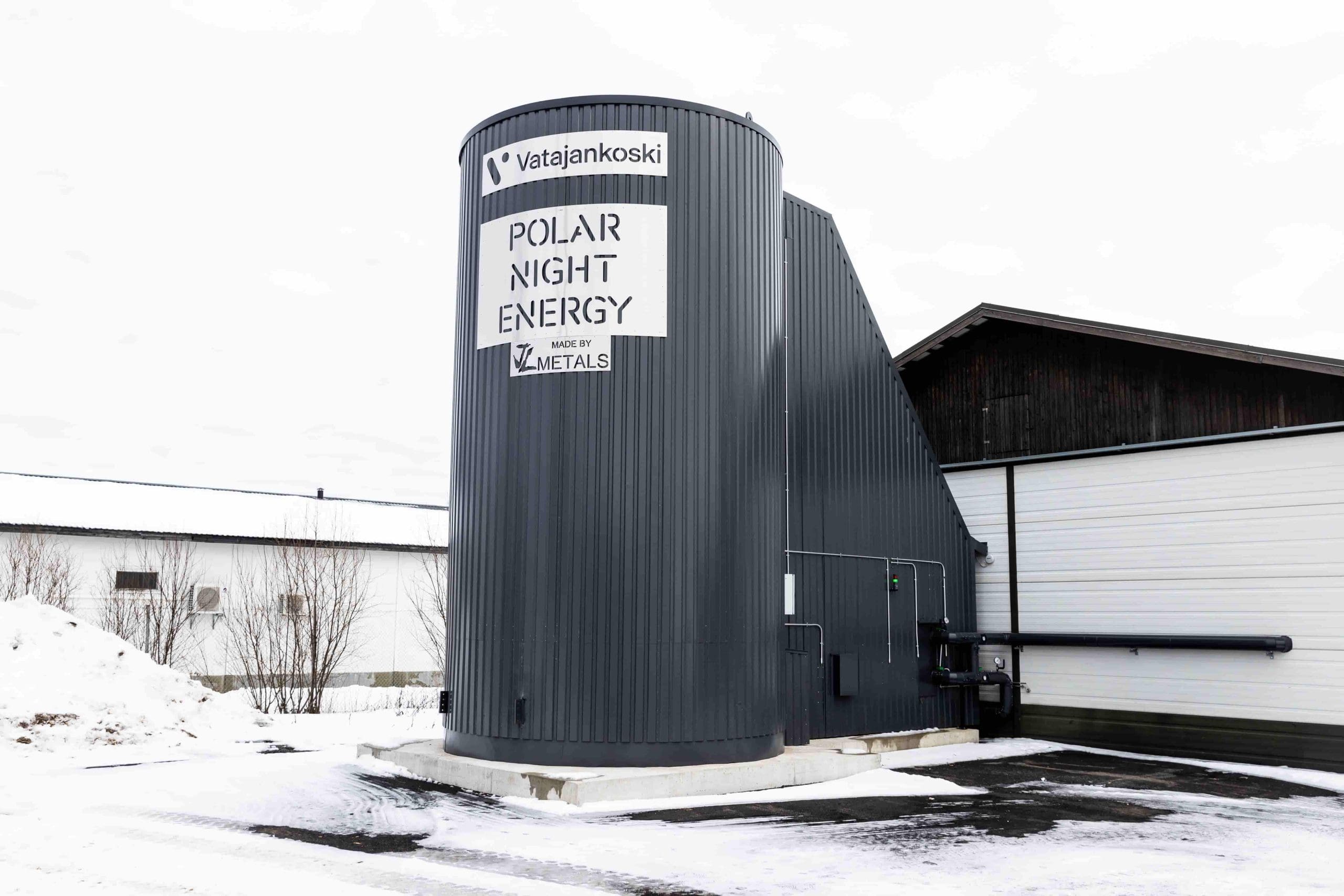
Two Finnish energy companies are planning to deploy another, more advanced ‘sand battery’ that can store electricity, rather than just heat.
Polar Night Energy and Valkeakosken Energia say they’ll start work on the plant in the second half of 2025. The pilot facility will convert electricity into heat, using sand as a medium. That heat can then be used by nearby households or manufacturers, or converted back into electricity when needed.
Existing sand batteries are used only as a heat source, so the new plant will need to operate at much higher temperatures to discharge electricity. It’ll operate at an electrical efficiency ratio of 30–35%, which is similar to traditional combustion-based power plants, Polar Night Energy says. When factoring in heat production as well, its overall efficiency could reach up to 90%, according to the company.
“The energy market is undergoing a fundamental transformation. Bold ideas and practical solutions are needed,” Olli-Pekka Marttila, CEO of Valkeakosken Energia, said in a statement.
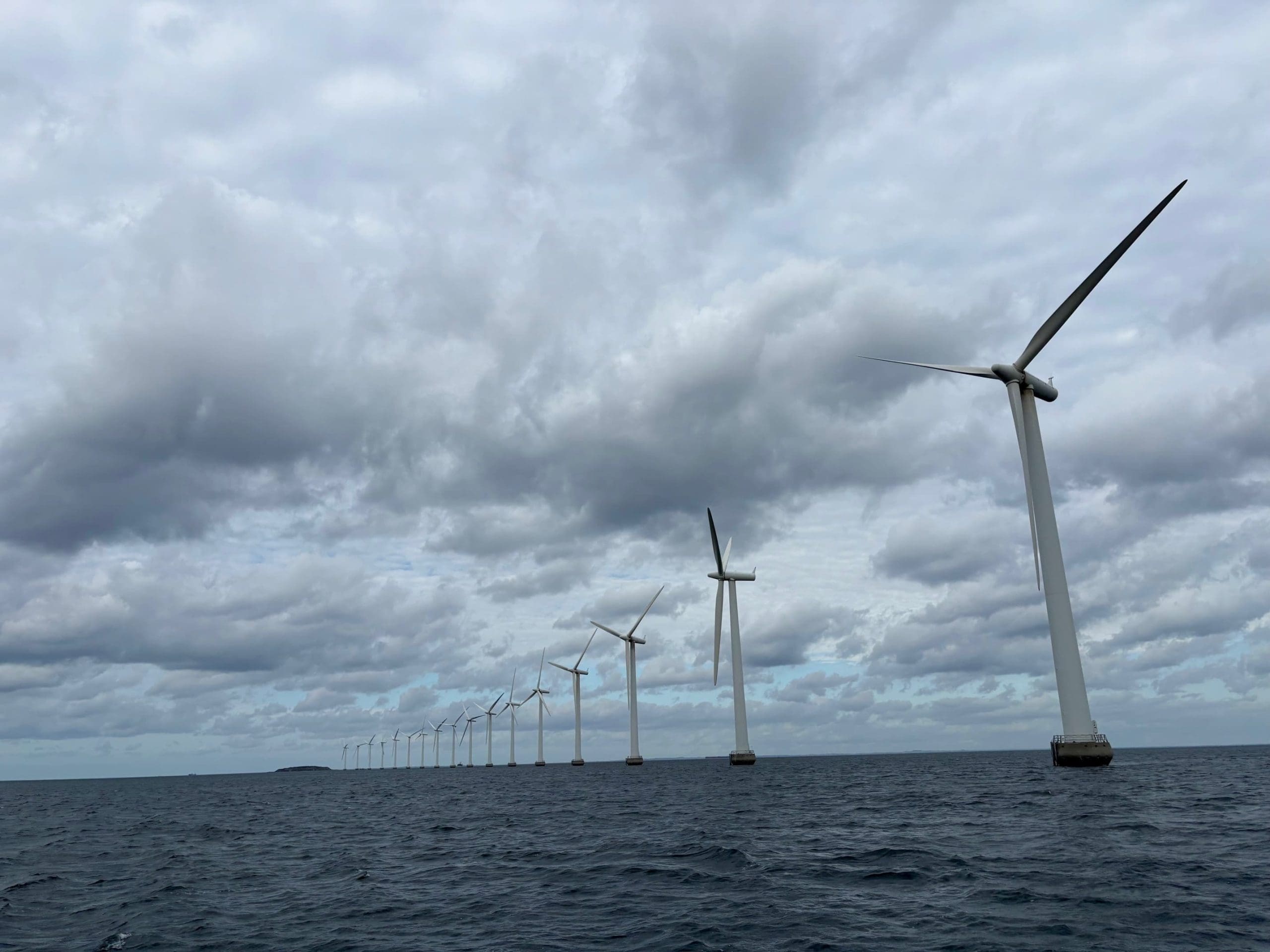
The technology will support the growth of wind and solar energy, which is being rapidly deployed in Finland.
Last year, wind accounted for 24% of the country’s electricity generation, up from less than 2% a decade before, according to data collated by research group Ember. Thanks in part to the wind energy boom, Finland recently became the latest country to shut its last operational coal-fired power plant.
“There’s an enormous and growing need for energy storage solutions,” says Veli-Matti Pietarinen, power plant specialist at Polar Night Energy. “Different types of energy storage will be key for industries and energy producers to meet both cost-efficiency targets and climate goals.”
Polar Night Energy’s existing sand batteries feed into the local district heating networks.
Meanwhile, a growing number of households are installing their own mini heat batteries. Appliances supplied by British company Tepeo use magnetite to store heat, while Sunamp uses a salt hydrate as a medium.