Skip to content



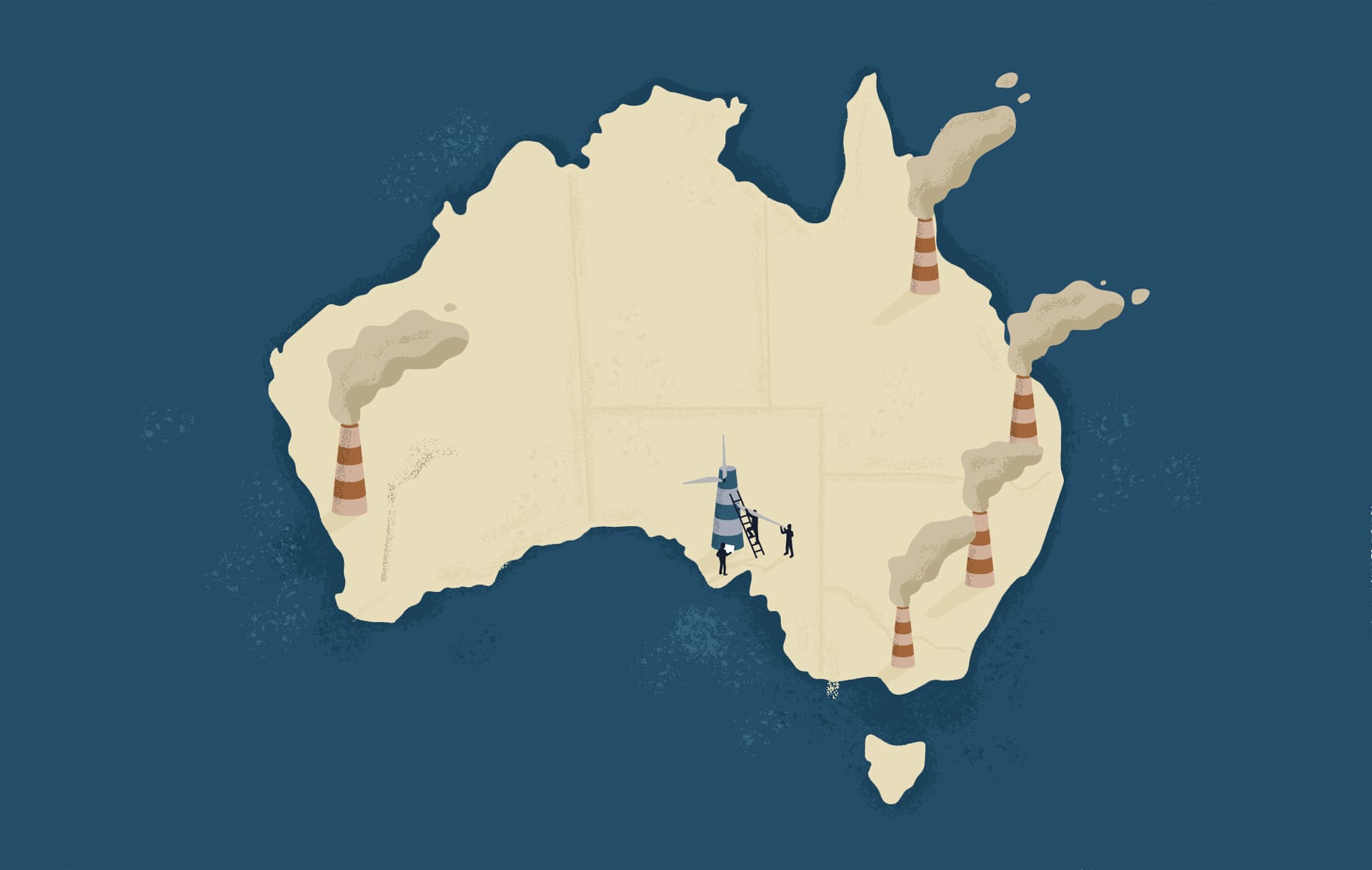
By matching the leaders in power sector decarbonisation, the world could slash total greenhouse gas emissions by nearly 40%.
To limit global warming to 1.5°C, emissions must slide 43% by 2030 (relative to 2019 levels), before being eliminated entirely on a net basis two decades later. This will require aggressive cuts across all sectors, including agriculture, industry, transport, buildings, and electricity.
In other words, the power sector alone cannot solve the climate crisis. But our analysis demonstrates just how big an impact it could have if we simply followed best practices.
Global power sector emissions, which account for slightly over a third of the total, reached 14.6 billion tonnes of CO2 in 2024, according to Ember data.
On average, 445g of CO2 is released into the atmosphere per kilowatt-hour (kWh) of electricity produced, per the International Energy Agency.
However, some countries’ power mixes are more than 90% cleaner than the global average, including Lesotho (21g), Nepal (23g), Albania, Bhutan and Ethiopia (24g each), Paraguay (25g), Iceland (28g), Norway (31g), Switzerland (34g), Sweden (36g), and France (44g CO2/kWh).
Using Sweden as an example — since it’s an advanced economy with a diversified electricity mix — we can demonstrate the substantial gains to be had from decarbonising this sector:
- If the world’s electricity mix mirrored Sweden’s, we’d avoid 13.4 billion tonnes of power sector emissions annually.
- And if we include the impact of avoided emissions from the mining and shipping of fossil fuels destined specifically for power plants, we’d save another 2.2 billion tonnes a year, according to our calculations.
- Combined, this translates into a 38% reduction in total greenhouse gas emissions. If the world replicated Paraguay’s electricity mix, this rises to 40%.
Lessons from the frontrunners: Sweden’s power mix has become increasingly diversified — and steadily cleaner — over the past 15 years. The nation also frequently has the lowest power generation costs in the European Union, according to Ember data.
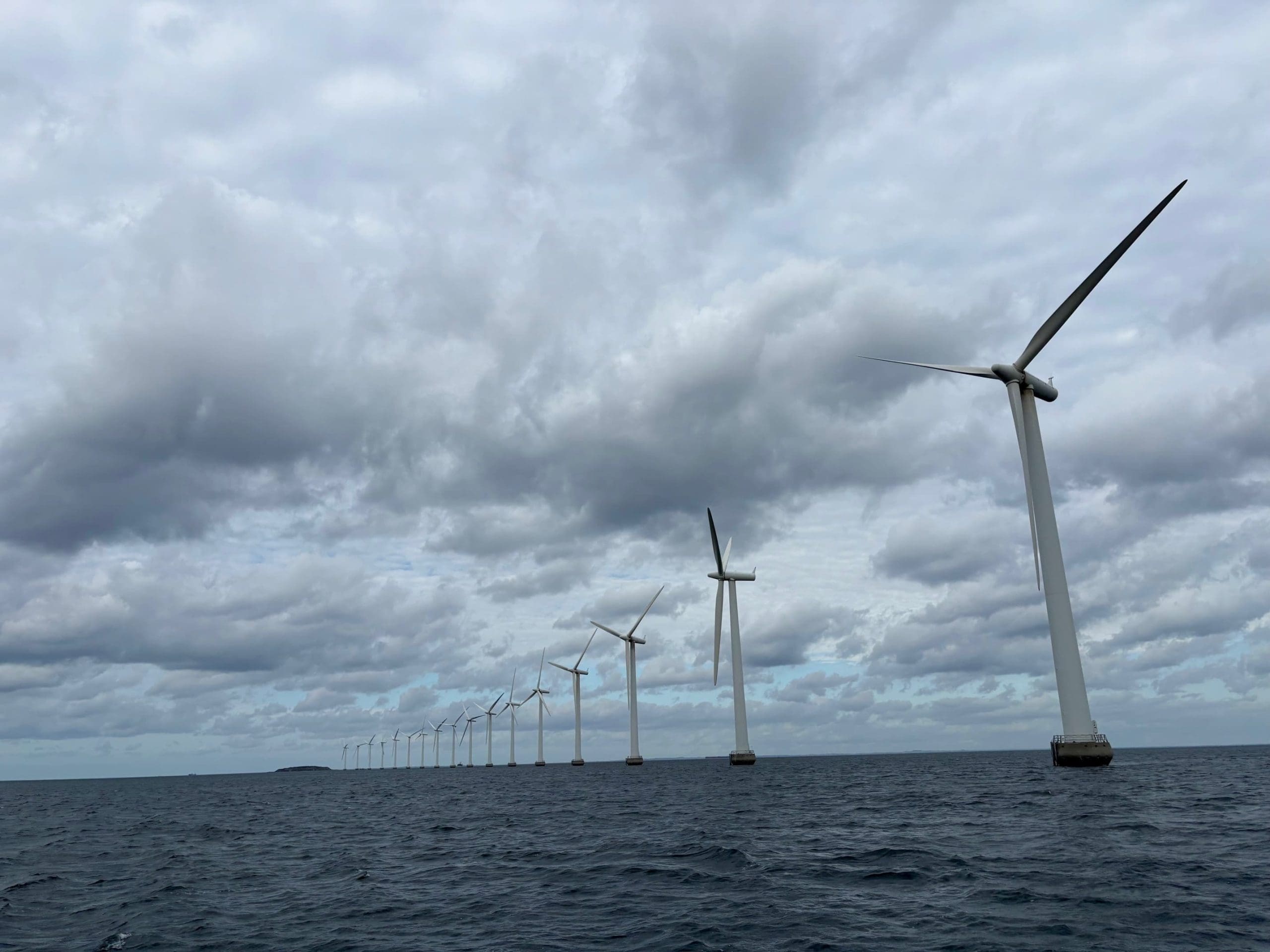
Ambitious decarbonisation targets, coupled with sharp declines in the cost of wind energy and a favourable climate for the technology, have unleashed a wind energy boom in the Scandinavian country, which shut its last coal-fired power plant in 2020 and now barely uses any fossil fuels for power.
Renewable energy subsidies also helped to get the wind industry off the ground in the early days, though they were phased out three years ago.

In 2024, Sweden’s power generation mix consisted of hydro (38%), nuclear (29%), wind (24%), bioenergy (6%), solar (2%), and fossil fuels (1%).
Despite being a small part of the mix, bioenergy accounts for the largest share of emissions (36%), according to Ember data.