Skip to content



South Korea and Bahrain have joined the Powering Past Coal Alliance (PPCA), a global coalition of over 180 national and subnational governments, businesses and organisations working to phase out unabated coal power plants.
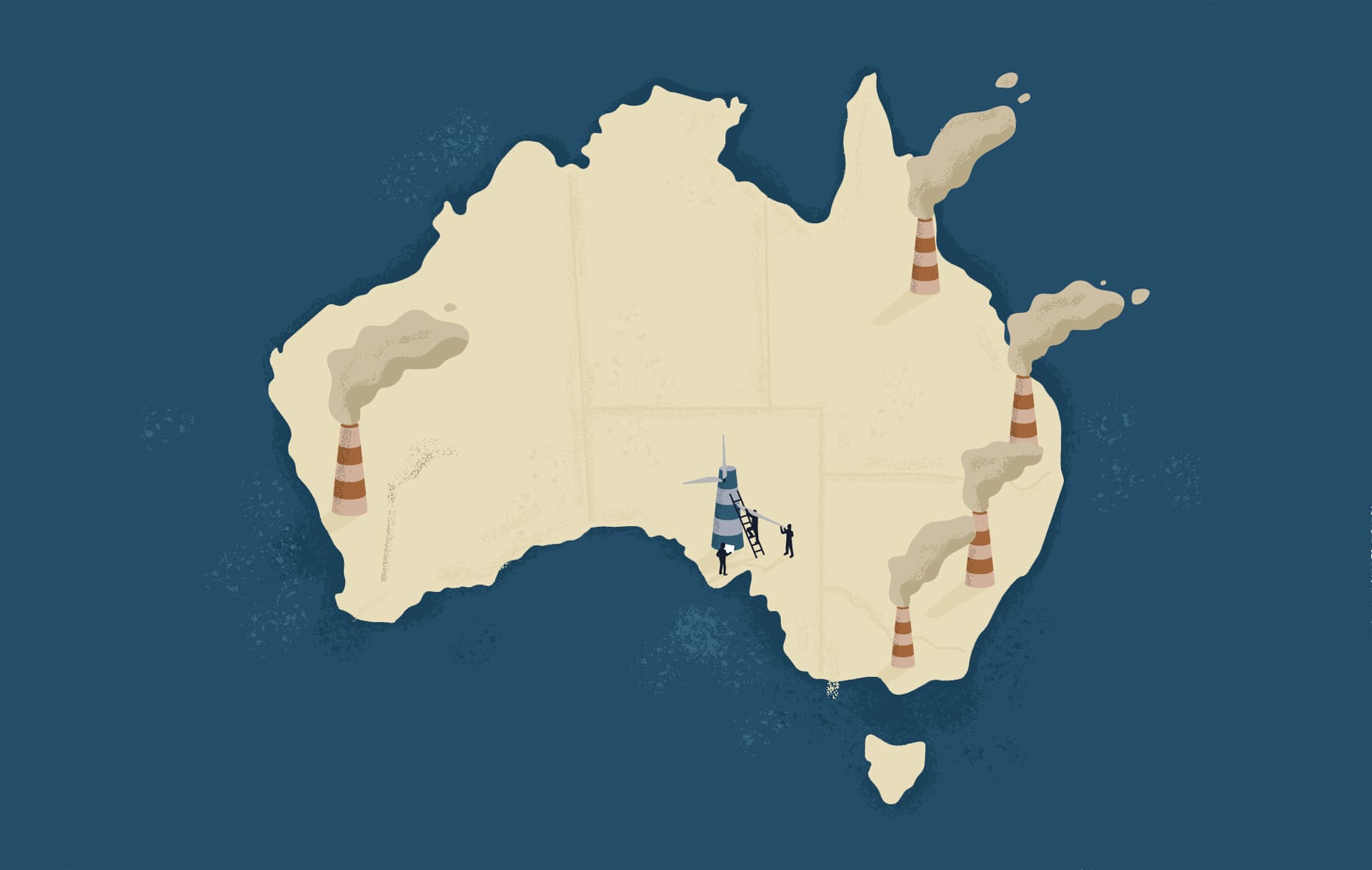
Korea operates the seventh largest coal fleet in the world. The share of coal in its electricity generation mix declined from 42.5% in 2015 to 30.5% in 2024, but the technology remains a significant source of emissions, and several new coal units were commissioned in recent years.
By joining the PPCA, the Korean government has committed to stop building new unabated coal power plants, and says it will phase out units. Of nation’s 61 coal facilities, 40 will be shut by 2040, the government says. A plan for the remaining 21 will be published next year.
“The alliance will support the Korean government in accelerating the phase-out of coal in a way that leaves no worker or community behind and increases economic growth and energy security,” the coalition said in a statement.
Kim Sung-hwan, Korea’s minister of climate, energy and the environment, said the shift from imported coal will enhance the country’s energy security and competitiveness, while creating jobs in new industries.
Korea’s export-focused economy will gain a competitive advantage as multinationals and governments seek to clean up their supply chains and electricity supplies, the coalition says.
The coal phase-out will also help the country save “billions of dollars in energy imports”. According to a recent opinion poll, 99% of Korean business executives want a shift from fossil-based to renewables-based electricity, and 92% supported the phase-out of coal specifically within a decade.
Former US vice president Al Gore said on X said Korea’s announcement is “hugely important” and sends “a significant signal to the rest of the world”.
The alliance’s expansion is “proof that the global move away from coal is gathering speed,” says Julie Dabrusin, Canada’s minister of environment and climate change, and PPCA co-chair.
The coal phase-out announcement comes after Korea said it will reduce its net emissions by 53%-61% by 2035, from their 2018 peak. However, BloombergNEF says “the country has struggled to scale up renewables, which account for just 11% of the power mix”. Moreover, carbon-intensive industries “have expressed concerns” about their international competitiveness because of rising energy and CO2 costs.
Bahrain, meanwhile, has no coal-fired power plants but has committed to not building any in the future.