Skip to content


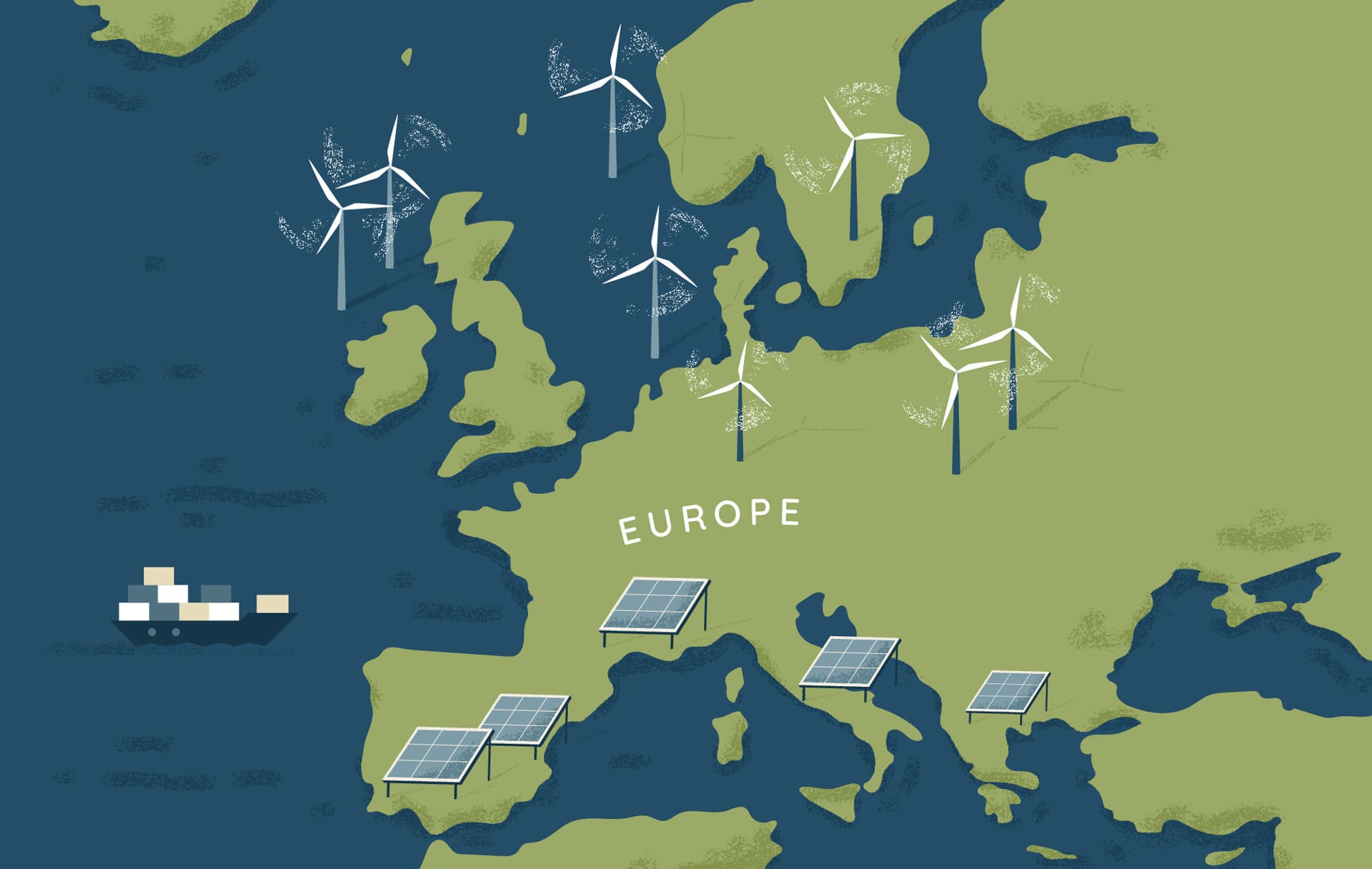
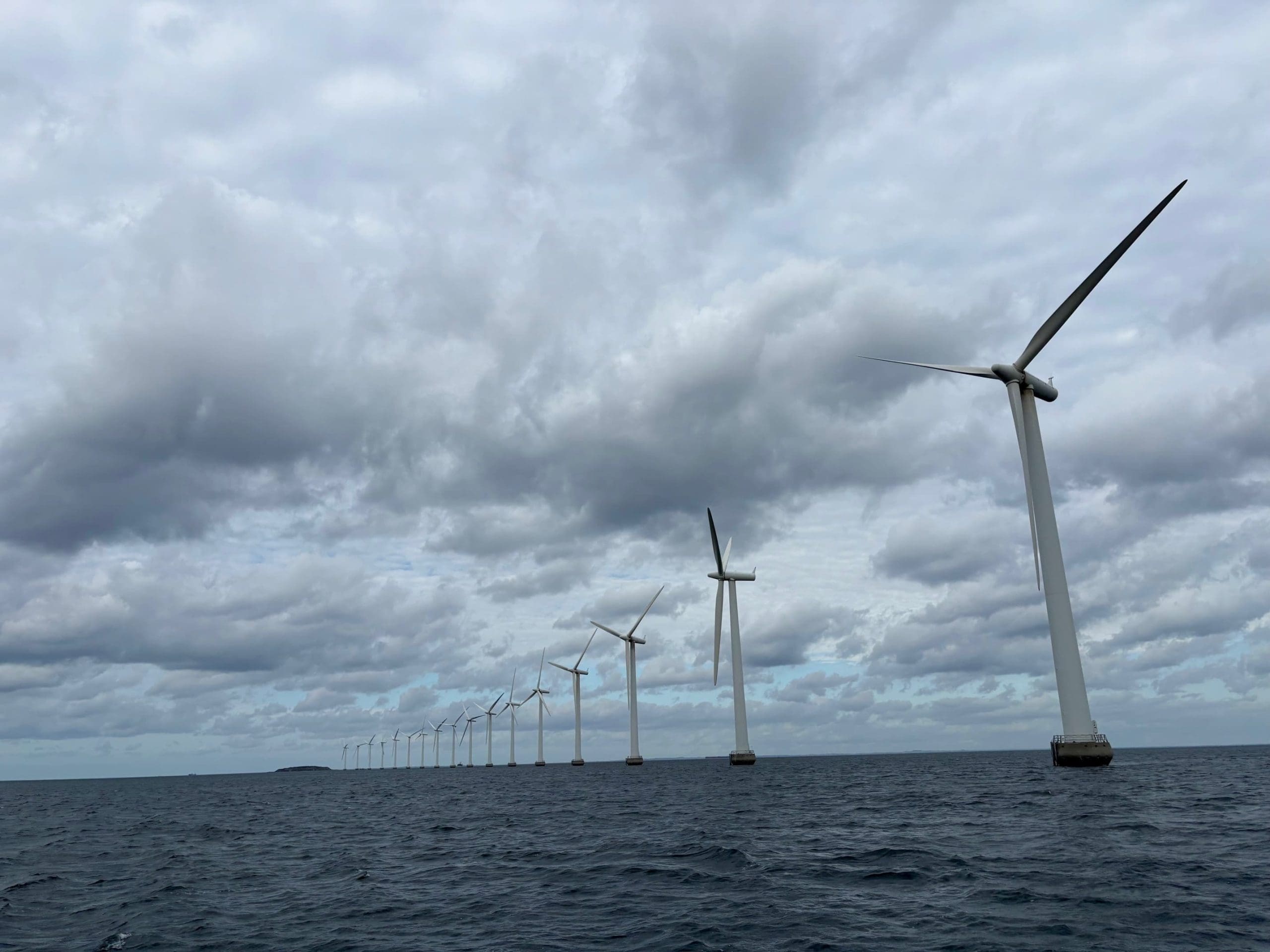
For the first time, wind and solar produced more electricity than all fossil-fired generators in the European Union in 2025, according to data collated by research group Ember.
Wind and solar’s share of the electricity generation mix climbed to 30% for the year, while coal, gas and oil accounted for 29% of total output.
All renewables made up nearly half (48%) of the mix, while nuclear’s share held steady at 23%. This meant non-fossil sources comprised 71% of electricity production. Coal’s contribution, meanwhile, dipped to a new low of just 9%.

The carbon intensity of the EU’s power generation declined to 210 grams of carbon dioxide equivalent per kilowatt-hour, a 40% decline from 2015 levels.
However, prices remained high.
Per the European Commission’s Affordable Energy Action Plan, the EU’s high energy prices stem from its dependence on costly imported fossil fuels, particularly gas. The region’s gas import bill rose by 16% in 2025 and led to price spikes in electricity markets, according to Ember’s analysis.
“The stakes of the EU continuing to make progress on energy transition remain starkly clear. For the EU, risks of energy blackmail from fossil fuel exporters loomed large in 2025. Investing in homegrown renewables is a key strategy to lower that risk, as geopolitics continue to destabilise,” the research group wrote.
EU countries have agreed to ban imports of Russian gas by the end of 2027, but are becoming heavily reliant on imported US gas. This threatens EU security “and weakens bargaining power in geopolitical negotiations and trade disputes,” Ember says.
To mitigate these risks, the region will need to build out its battery infrastructure and the grid, add more wind and solar, and make use of demand flexibility tools. “Not only will this improve security, they are also crucial to ensure predictable and stable prices.”