Skip to content



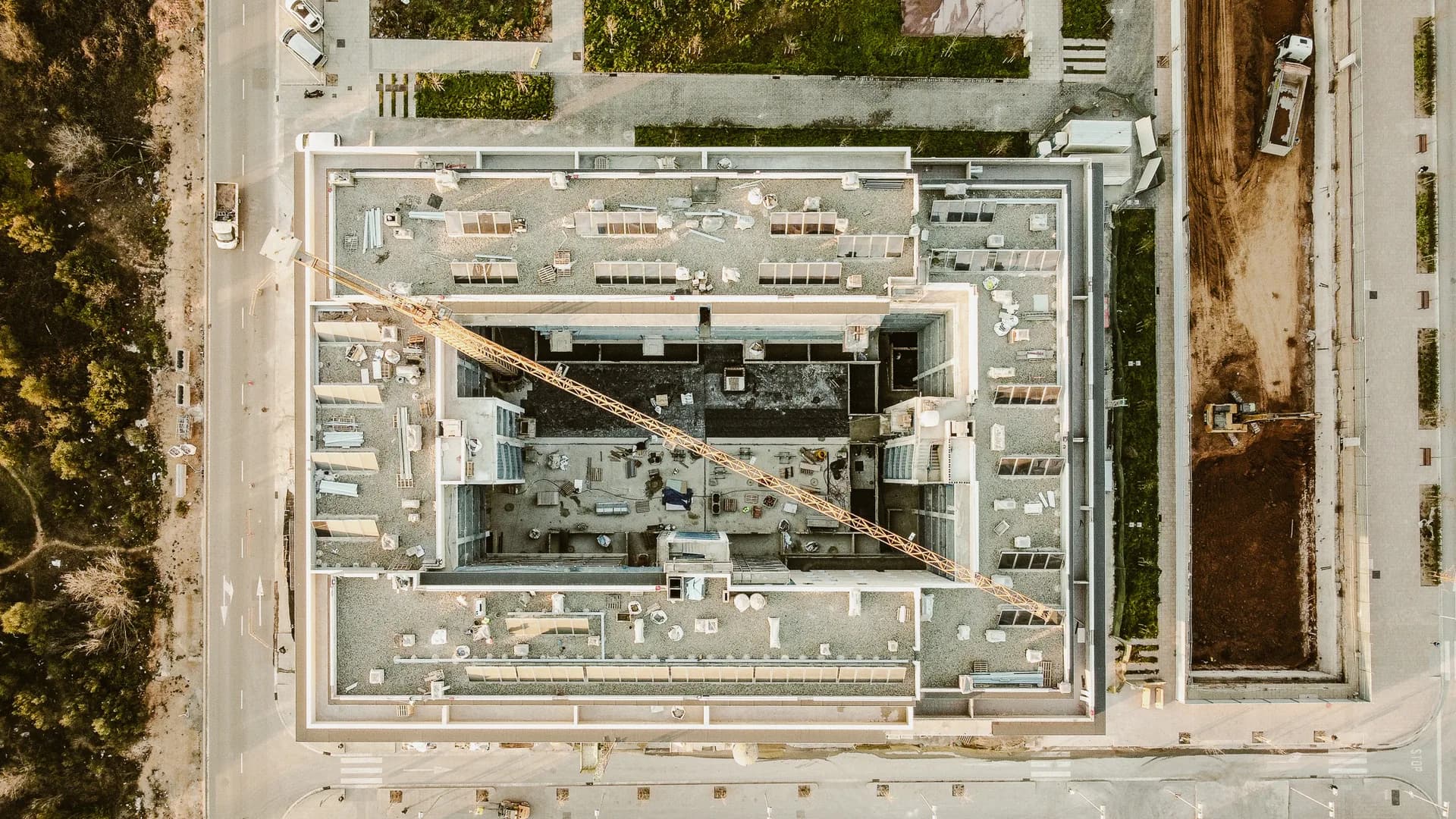
Swedish battery group Northvolt has secured $5 billion in green loans to create a massive battery manufacturing and recycling complex in the north of the country.
Why it matters: The facility, which will supply at least four automakers, will produce batteries at a much lower carbon intensity than others, thanks to its recycling component, Northvolt says.
The latest: The new funding will be used to expand the Ett site’s cathode production and cell manufacturing capacity, and to expand the adjacent recycling plant, Revolt Ett. The recycling unit recovers battery-grade metals with a carbon footprint 70% lower than mined raw materials, the company said in a statement.

The combined facility will be “a fully integrated, circular battery production setup that has not previously existed outside of Asia.”
Northvolt CEO Peter Carlsson said the funding agreement, backed by commercial and development banks, “is a milestone for the European energy transition.”
The battery manufacturer has long-term offtake contracts with BMW, Scania, Volvo Cars and Volkswagen Group.

Northvolt also recently announced the development of a sodium-ion battery with an energy density of over 160 watt-hours per kilogram.
Those batteries will be “more safe, cost-effective, and sustainable” than conventional ones and can be produced with abundant minerals such as iron and sodium, rather than lithium, nickel, cobalt and graphite.