
Home » Climate & Energy » Australia’s power prices and emissions fall as renewables advance
Share

Australia’s power prices and emissions fall as renewables advance

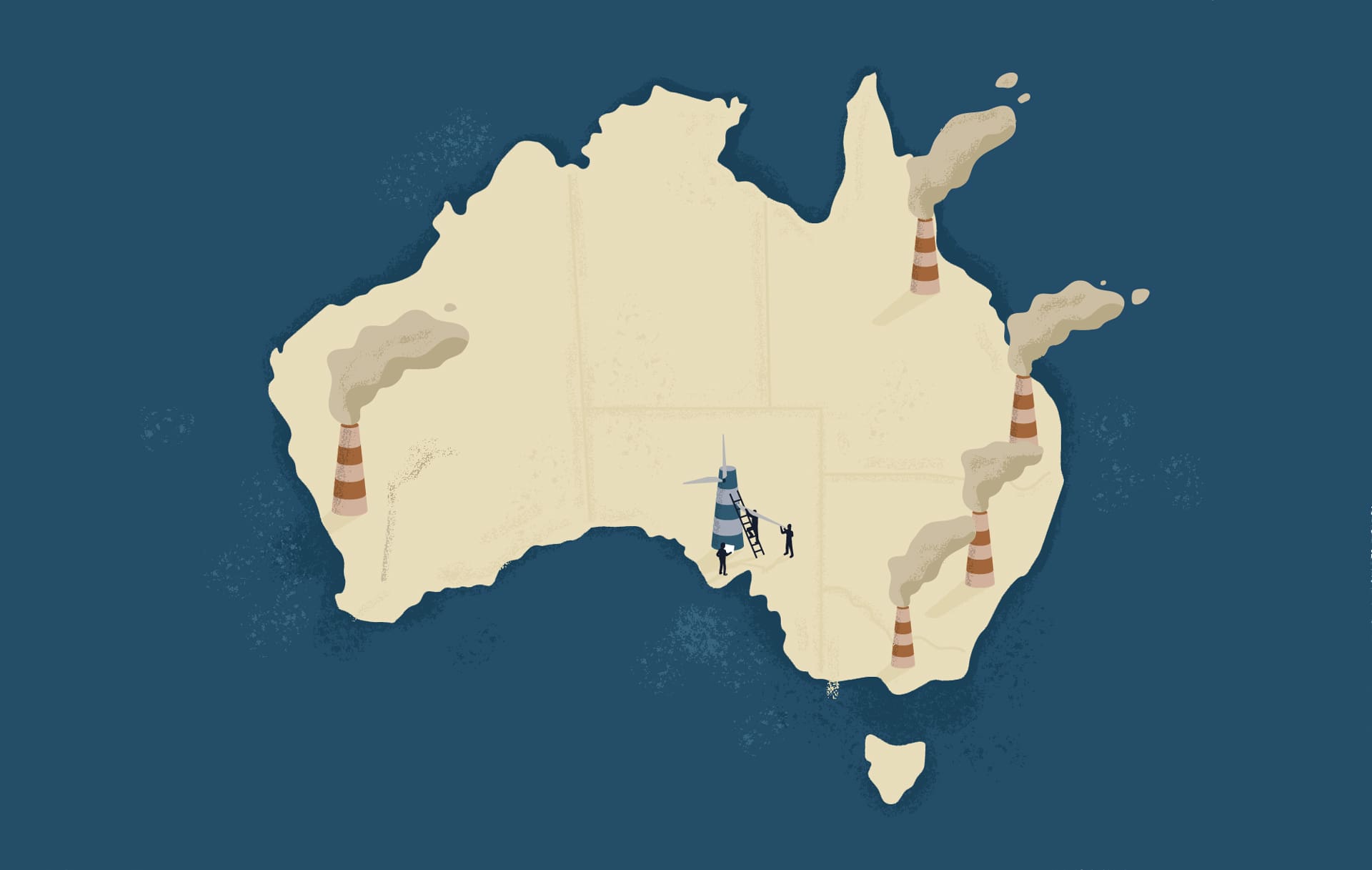
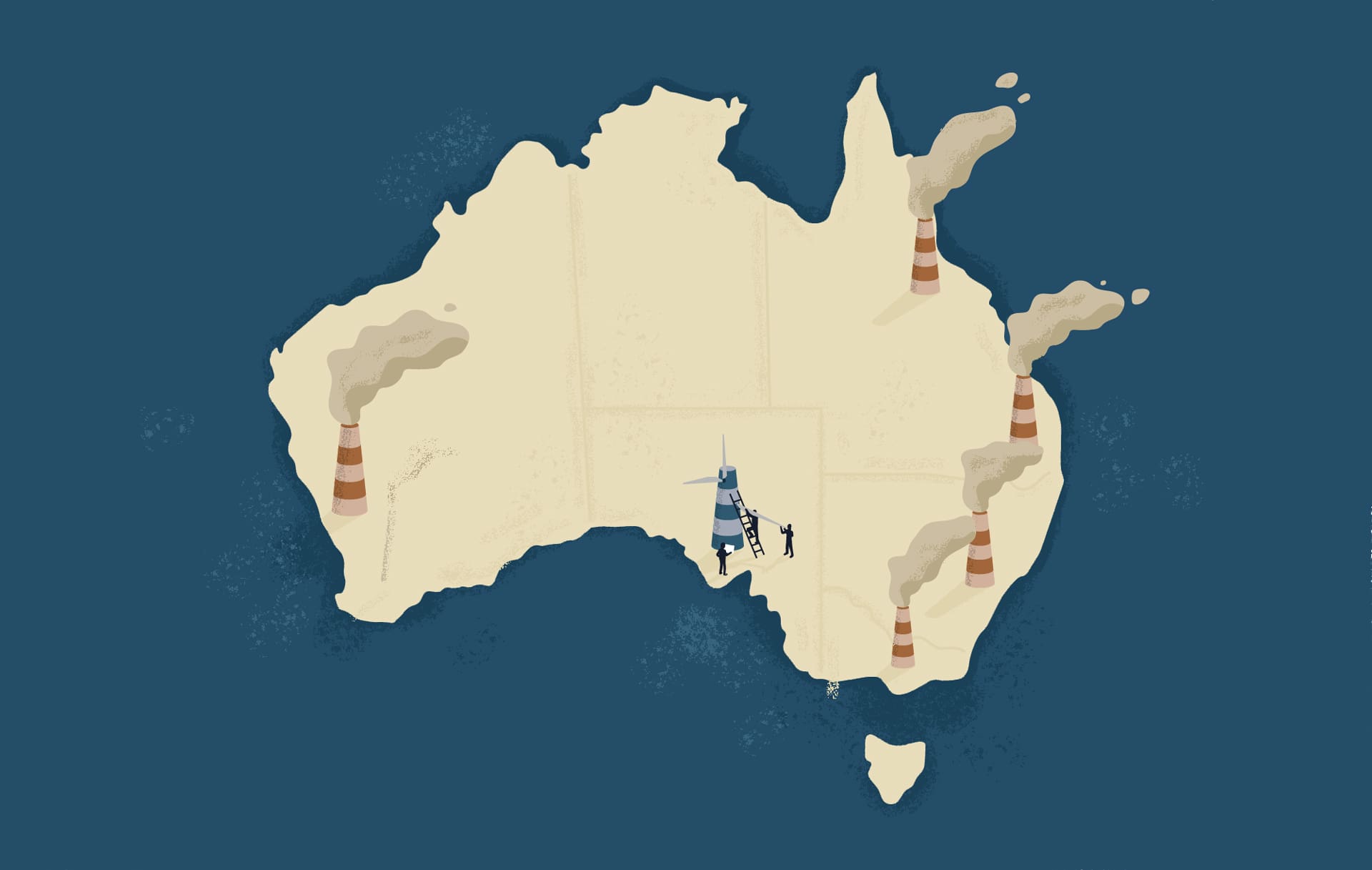
A map of Australia showing that South Australia is leading the transition to renewable electricity.
Graphic: Sean Creighton/The Progress Playbook

Across Australia’s main electricity grid, wholesale spot prices were down 48% year on year in the final three months of 2023 as record output from renewables pushed both costs and emissions lower, according to the country’s energy market operator (AEMO).

Further, the states with the highest share of renewables in the mix had the lowest spot prices.

In coal-reliant Queensland and New South Wales, spot prices averaged A$68/MWh and $66/MWh, respectively. That’s double the spot prices in states leading the energy transition — South Australia ($33/MWh) and Victoria ($26/MWh).

Prices slumped in South Australia and Victoria thanks largely to higher rooftop solar and grid-scale wind and solar output, AEMO said.

Across the country’s main grid, renewables and batteries comprised 43.1% of the electricity mix in the quarter, up from 40.3% a year before.

The increase in renewable output drove grid-wide emissions and emissions intensity to new all-time record low levels of 25.4 million tonnes of carbon dioxide equivalents (MtCO2-e) and 0.59 tCO2-e/MWh respectively.

Australia's power prices and emissions fall as renewables advance 1
Graphic: AEMO

Share this post:

Our content is free to read. However, if you’d like to help us scale up and maximise our reach and impact, you can make a one-off or monthly contribution here.

Related Articles

The share of fossil fuels in the nation's electricity mix has rapidly shrunk.
A pioneer of big batteries and other decarbonisation tech, the state aims to get to 100% net renewables within seven years.
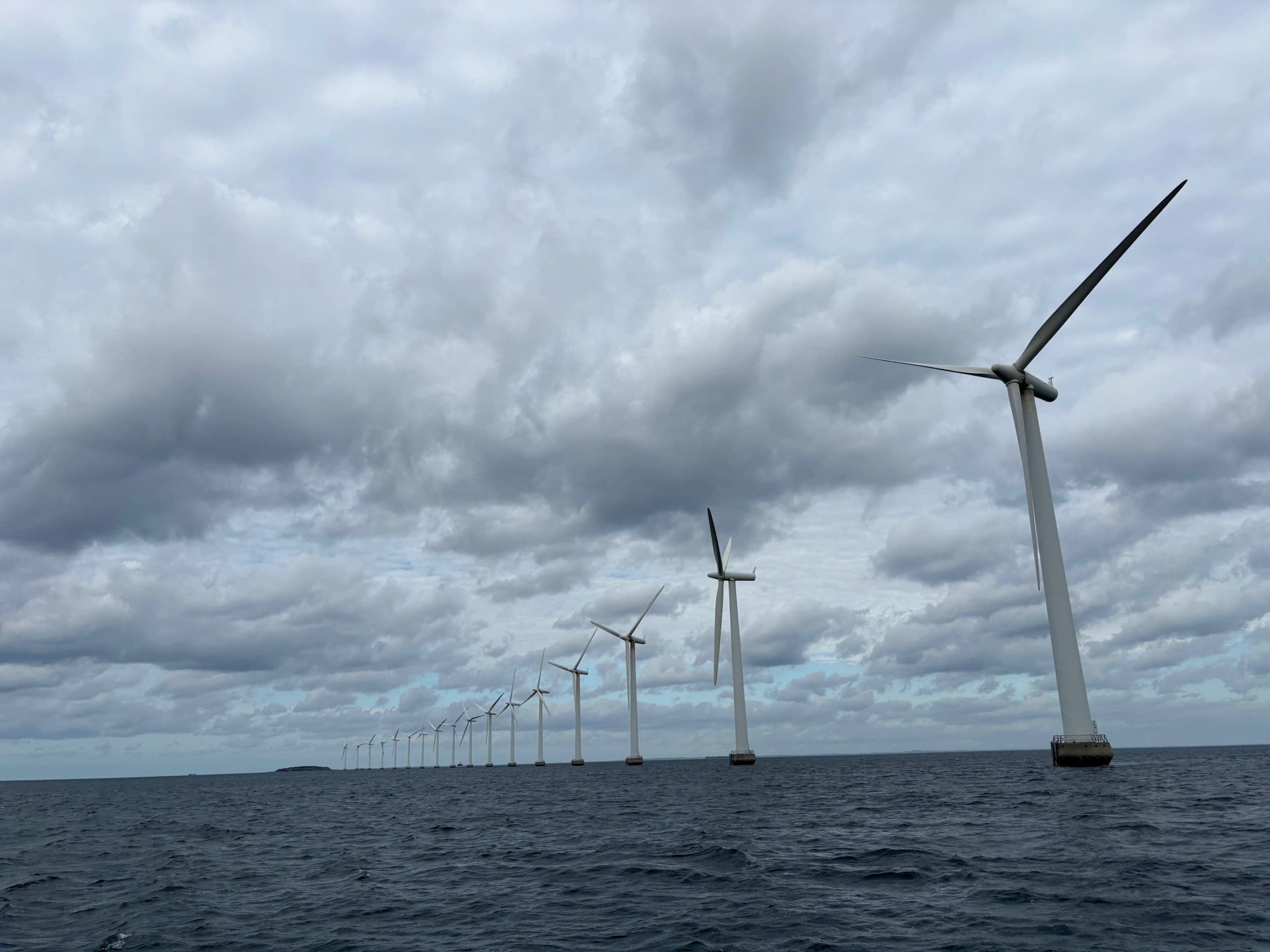
The pioneer of commercial wind energy says it will reduce emissions by at least 82% by 2035, relative to 1990 levels.
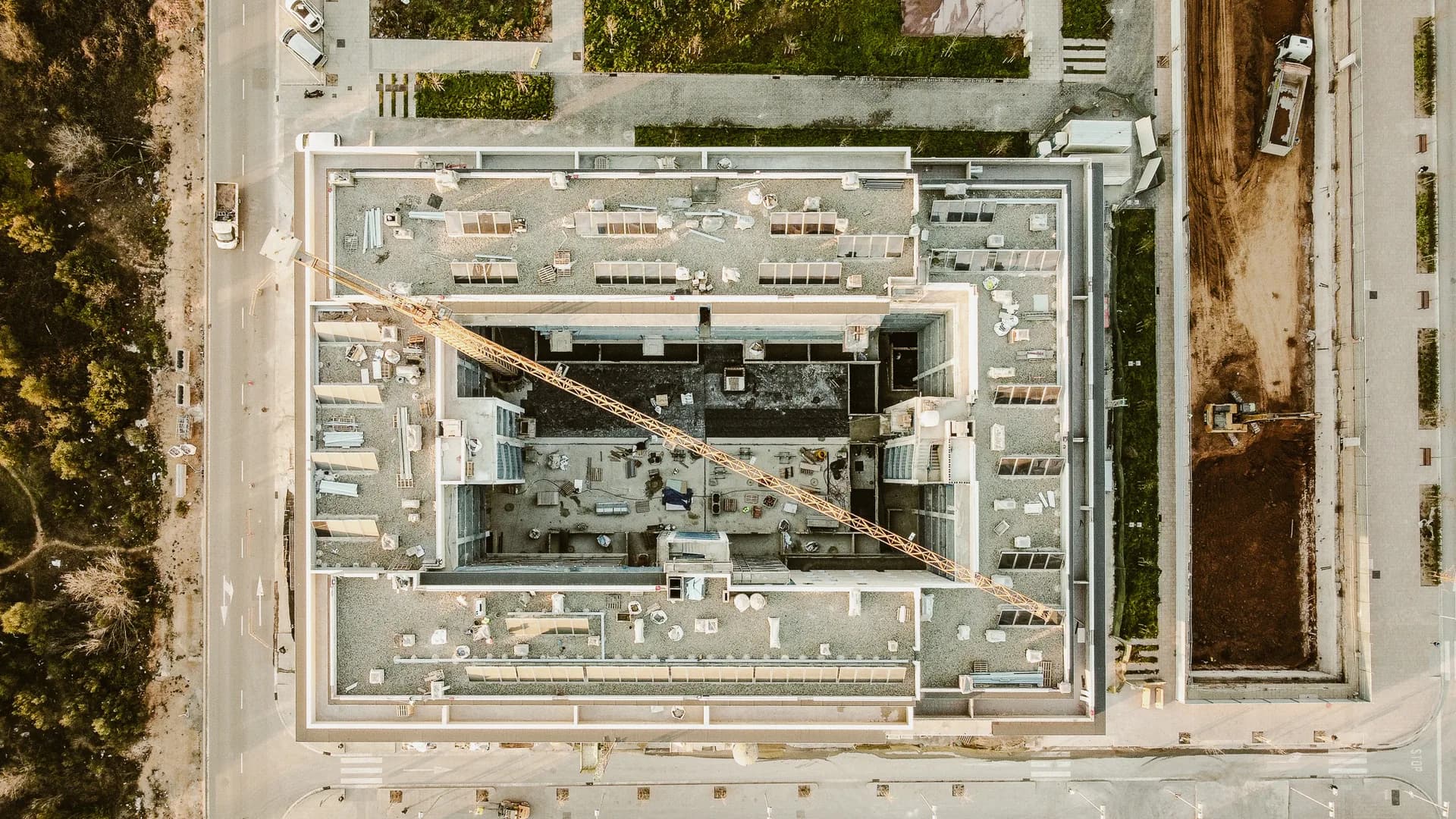
An alternative housing system is emerging across the region and it could create a global blueprint.
Iron-air batteries operate on the principle of "reversible rusting" and provide long-duration storage.
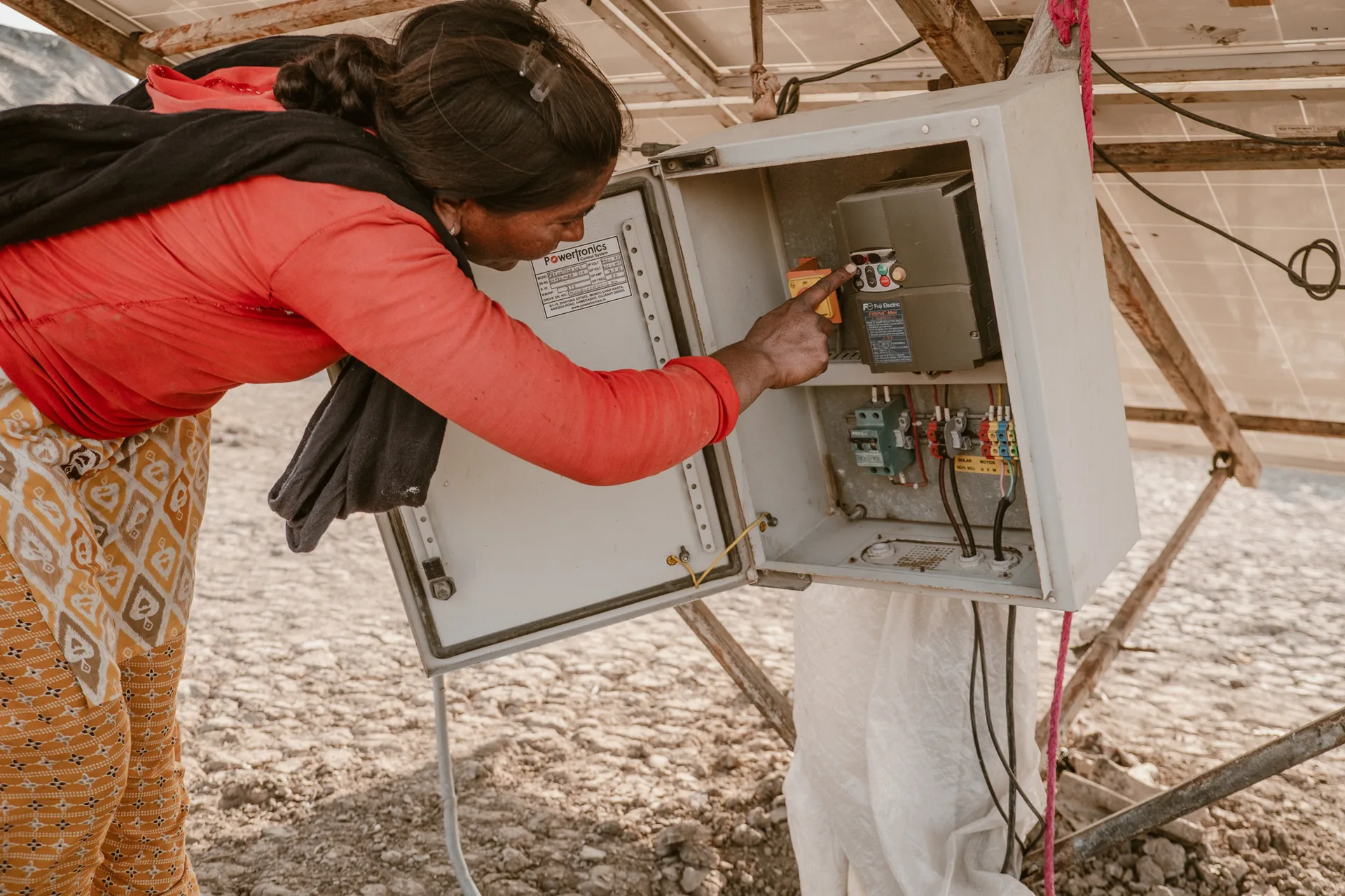
In the salt flats of Gujarat, India, an unlikely green revolution is underway as informal salt farmers go solar.

Comments