Skip to content



A record fall in coal and gas use left the EU with a cleaner electricity mix than ever in 2023, according to data collated by research group Ember.
Fossil fuel generation, together with power sector emissions, declined by a record 19% through the year and now accounts for less than one third of the bloc’s electricity mix.
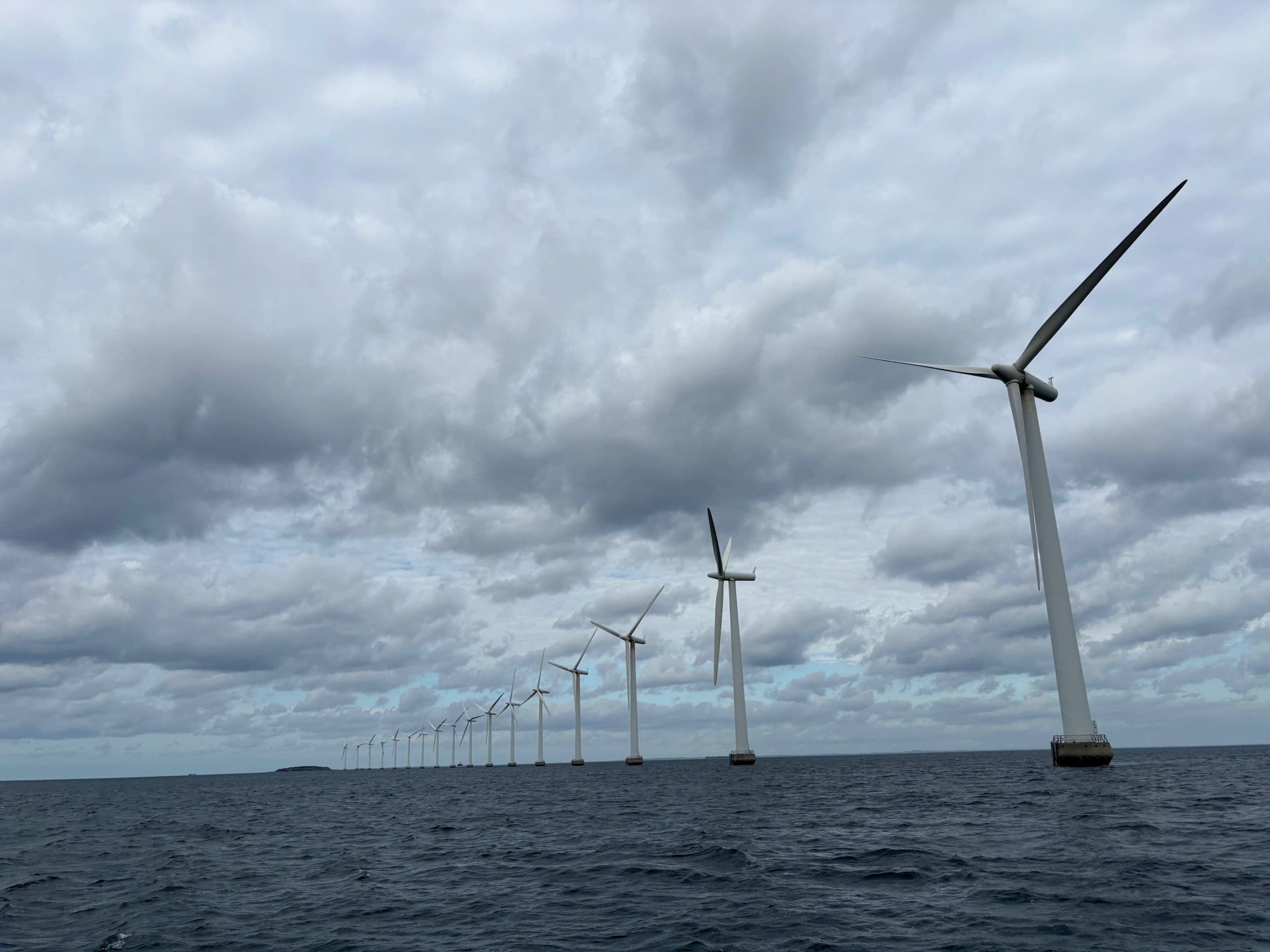
Renewables surged to a record 44% share, with wind surpassing gas for the first time. Including nuclear, low-carbon technologies reached more than two-thirds of the EU electricity mix.
Coal generation fell 26% to its lowest level ever, with the dirtiest fossil fuel making up just 12% of the EU electricity mix in 2023.
The long-term decline in coal use will continue in 2024, according to Ember, with a wave of plant closures imminent.
Despite the shift from coal, gas generation fell by 15%, the largest annual reduction since at least 1990.
“The EU’s power sector is in the middle of a monumental shift,” Sarah Brown, Ember’s Europe programme director, said in a statement.
“Fossil fuels are playing a smaller role than ever as a system with wind and solar as its backbone comes into view. The energy crisis and Russia’s invasion of Ukraine did not lead to coal and gas resurgence — far from it. Coal is nearing phase-out, and as wind and solar grow, gas will be next to enter terminal decline.
“However it is not time to get complacent. The EU needs a laser focus on rapidly deploying wind, solar and flexibility to create a system free of fossil fuels
,” Brown said.