 Skip to content



Big batteries are muscling gas out of California’s electricity mix, according to data collated by Stanford University Professor Mark Z. Jacobson.
In the 100 days to June 14, California saw a 45% reduction in gas-fired power output, relative to the same period a year before.
The decline was mostly thanks to a surge in battery installations in recent months. The state now has 10.4 gigawatts (GW) of battery storage capacity — a technology it says is key to achieving a 100% clean electricity system by 2045.
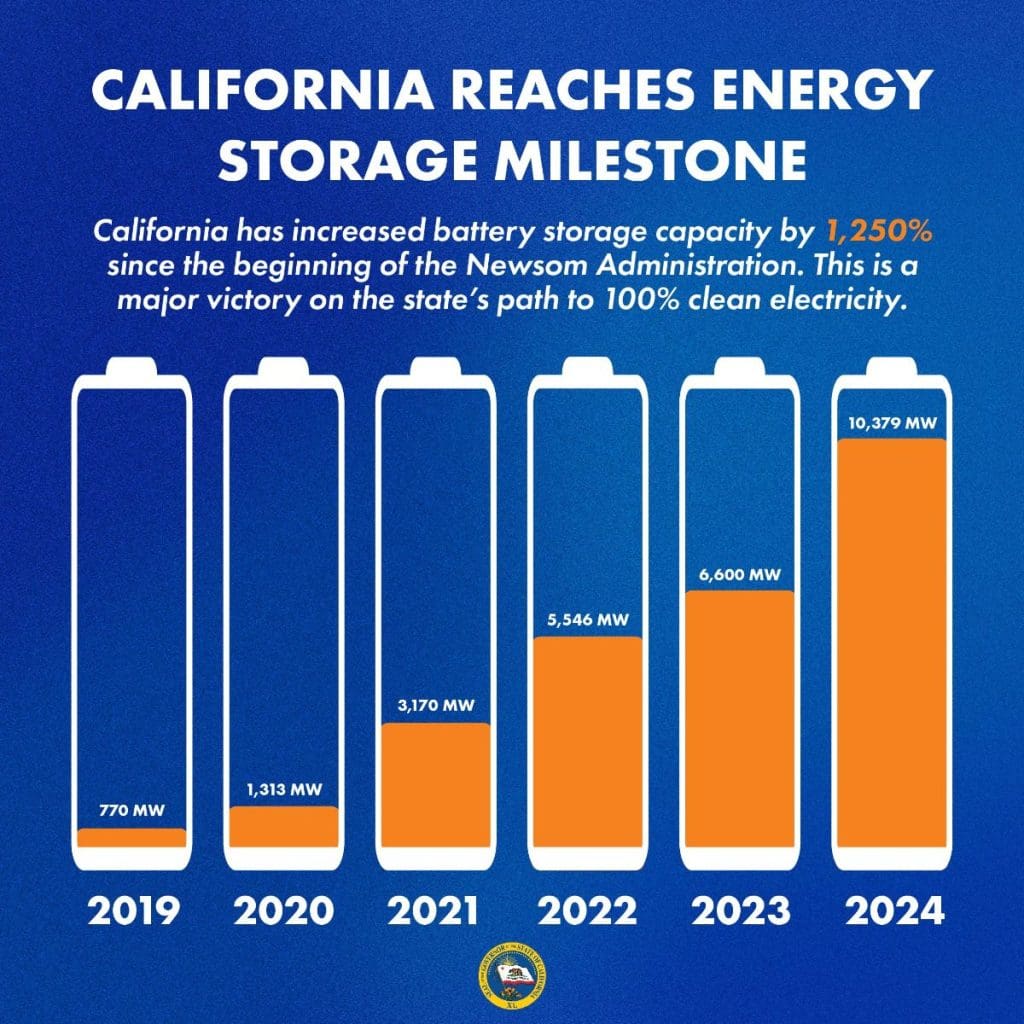
Batteries are used to store energy from renewable sources like solar during the day so that it can be deployed in the evening, when solar generation tapers off and demand for power surges. These facilities are increasingly challenging the role of gas plants in meeting peak demand.
On the evening of June 10, for example, big batteries injected a record 7.7GW of instantaneous power into California’s grid. They accounted for a quarter of total electricity supply at that point.
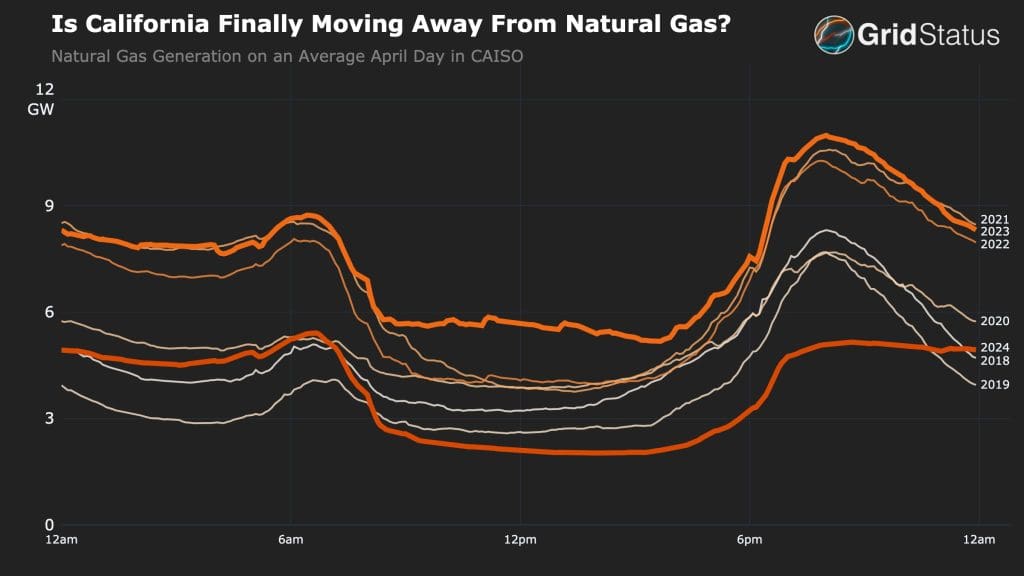
And according to data from GridStatus, gas generation on an average April day in California hit a seven-year low, reversing an earlier trend that had been fuelled by rising electricity demand.
On 89 of the 100 days to June 14, there were periods where renewables generated more than enough electricity to cover all of California’s needs. This excess energy creates a strong business case for batteries, which can charge up when prices are low and discharge when prices are high.
Compared to a year before, utility-scale solar output was up 32% over the 100-day period, wind generation grew 10%, and battery output doubled, Jacobson says. Meanwhile, demand for electricity from the grid was down 3% due to new rooftop solar installations.





One Response
That’s realy great news 🤗