Skip to content


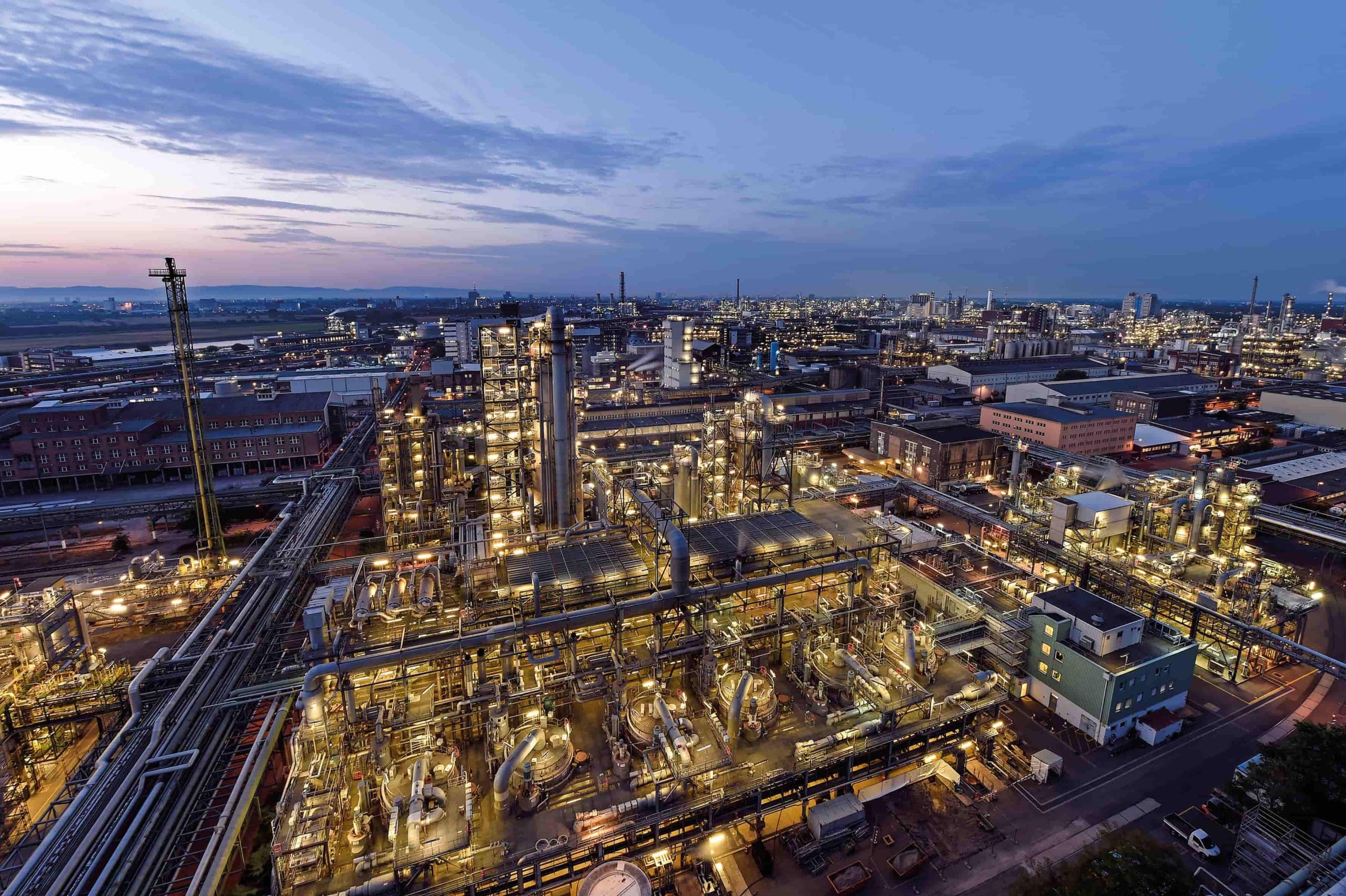
Chemicals giant BASF has received a funding commitment from the German government to help it build the world’s largest industrial heat pump.
Why it matters: In addition to electricity, steam is one of the most important energy sources in the chemicals industry. It’s used for drying products, heating reactors, and for distillation, among other things. Today, most steam is made using fossil fuels, meaning new solutions are urgently needed if the world is to meet its decarbonisation goals and avoid catastrophic climate change.
The latest: The size of a football field, the heat pump will put waste heat from chemical plants and cooling systems to use, slashing the group’s fossil fuel consumption at its Ludwigshafen site. It’ll be the first industrial heat pump in the world to be used for steam generation and will be capable of producing 500,000 tonnes of steam a year, according to BASF.
Construction is scheduled to start in early 2025 and the plant will come online in 2027, the company says. The German government will contribute up to €310 million to the project as part of the “carbon contracts for difference” funding programme.
How it works: The heat pump, powered by renewable energy, will harness waste heat generated during the cooling and cleaning of process gases at the site. This’ll cause refrigerants in the heat pump to evaporate and turn into gas, which will then be moved through a compressor to raise the temperature further.
The resulting high-heat steam will be deployed in plants that make formic acid. This cleaner steam-generation method will reduce greenhouse gas emissions by up to 98%, BASF says.
Some of the steam will also go to other BASF production plants via the group’s steam network. In total, the heat pump will reduce greenhouse gas emissions at the company’s headquarters by up to 100,000 tonnes per year.
“Electrifying steam generation is a crucial step towards generating the energy we so urgently need in the chemical industry in a more sustainable way,” says Uwe Liebelt, BASF’s president for European Verbund Sites.
At the Ludwigshafen site, BASF is also busy constructing a water electrolyser, and recently began operating a demonstration plant for electrically heated steam crackers.