Skip to content


The High Seas Treaty, a landmark agreement aimed at protecting biodiversity in international waters, has been formally ratified and will take effect in early 2026.
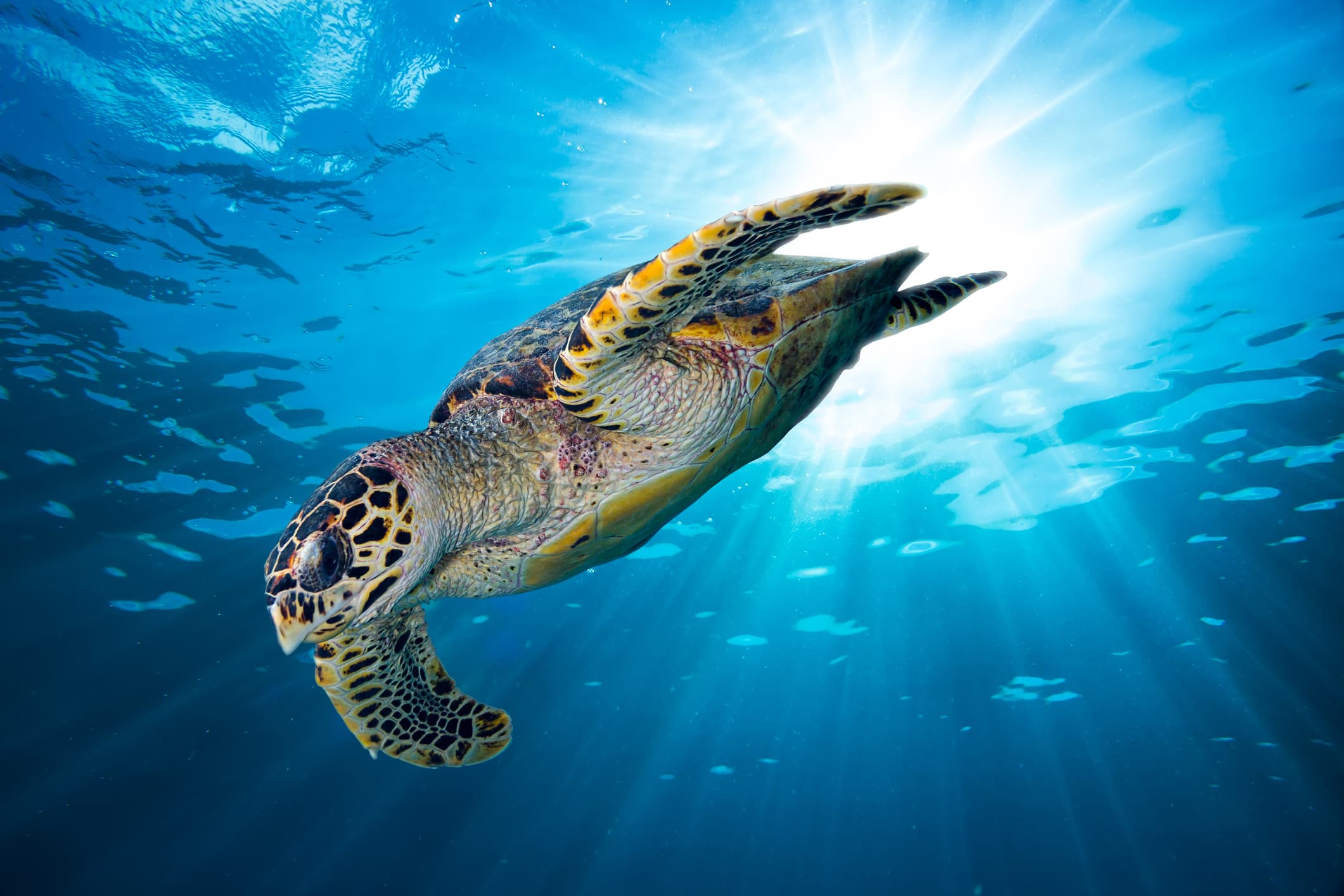
International waters are the largest and least-governed ecosystem on the planet, with only 1% protected for the time being, according to Conservation International, a global non-profit organisation. The new agreement, ratified by the requisite 60 countries, will pave the way toward the establishment of marine protected areas outside of national jurisdictions, and advance the global goal to conserve 30% of earth’s land and sea by 2030.
“This is a major win for our oceans and all of us who depend on them,” says Conservation International’s Monica Medina, a former US assistant secretary of state for oceans and international environmental and scientific affairs.
“We have the rare chance to stop the loss of nature before we lose it forever… That’s why the treaty is so important – especially now, as overfishing, deep sea mining, climate change, pollution and isolationism are increasing threats.
“People need a healthy ocean, our way of life depends on it. The high seas are some of the most biodiverse ecosystems on the planet and there is still so much to be discovered. They regulate currents and help keep ocean temperatures in balance — and may even hold the cures to human diseases. It is entirely possible to balance their protection with their ability to provide for our way of life.”
When it takes effect in four months’ time, “the hard but necessary work begins,” Medina says.