Skip to content



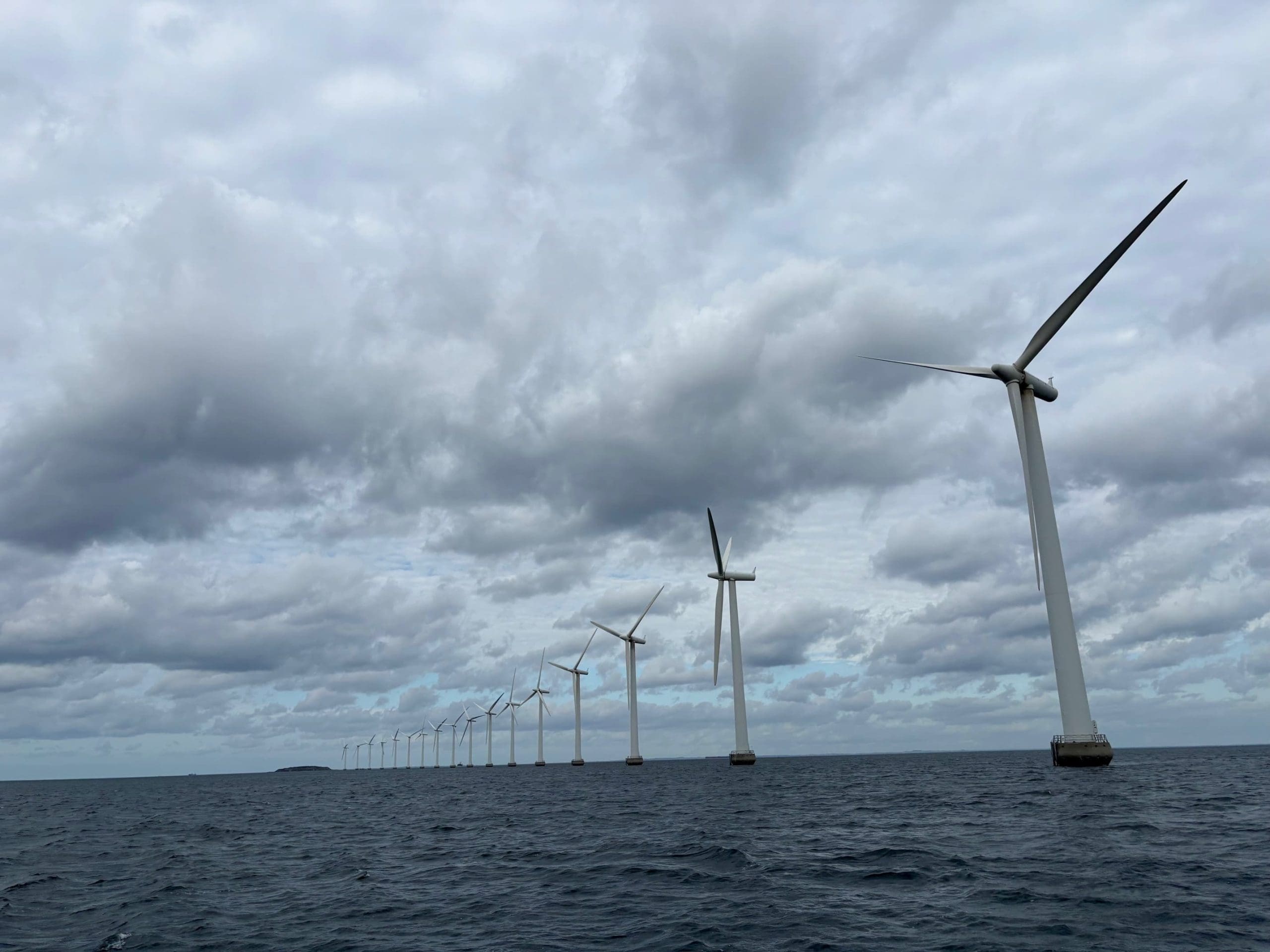
A new Google data centre in Pine Island, Minnesota, will be powered by variable renewables and an iron-air storage system that’s set to become the largest battery facility in the world by capacity.
The clean energy hub, to be developed by Xcel Energy, will include 1,400 MW of wind, 200 MW of solar and 300 MW / 30 GWh of long-duration energy storage provided by Form Energy. For context, the world’s biggest battery facility by capacity today is the 3.3 GWh Edwards & Sanborn unit in California.
Google’s 100-hour battery system will store energy during periods of high production and low demand, and dispatch it into the grid when demand is high, thereby providing firm capacity and strengthening grid reliability, even over multiple days, Xcel said in a statement.
Iron-air batteries operate on the principle of “reversible rusting” — they charge by using an electrical current to convert rust into iron, and then discharge by absorbing oxygen from the air and converting the iron metal back into rust.
Bria Shea, president of Xcel Energy for Minnesota, North Dakota and South Dakota, said the deal “is a model for data centre partnerships” because it advances Minnesota’s goals for a carbon-free future and drives local investment while ensuring homes and businesses don’t pay more for power as data centres come online. Google will cover any new grid infrastructure costs associated with the project, the company says.
“By integrating new carbon-free energy and pioneering long-duration storage with Xcel Energy, we are helping to build a more resilient system that benefits the entire community,” says Amanda Peterson Corio, Google’s head of data centre energy.
Doug Loon, president and CEO of the Minnesota Chamber of Commerce, says a 2025 law that extended incentives for data centres while “balancing environmental considerations”, such as water and energy use, “is a model for other states”.